 Guide On Map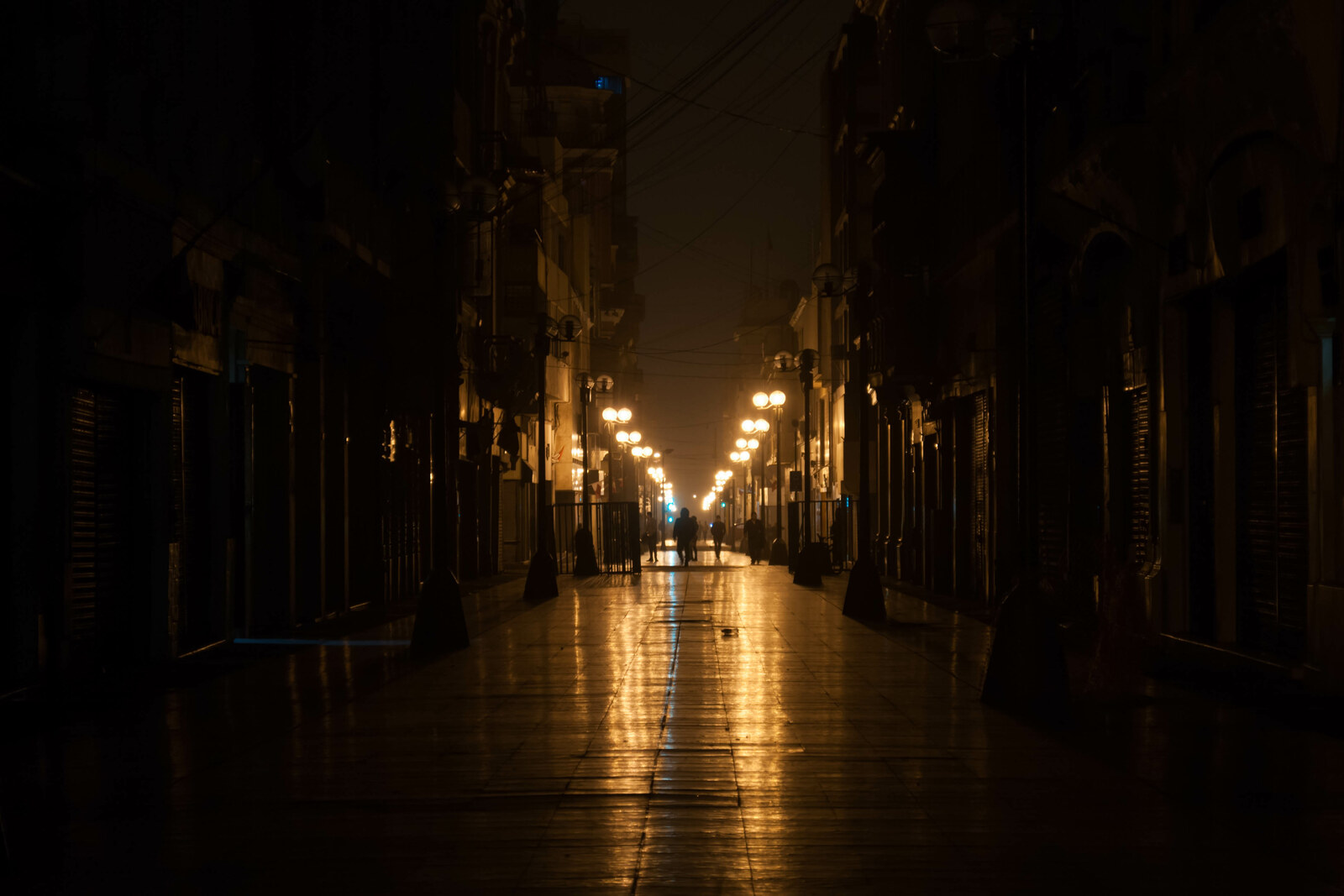
Look around first
What to notice
- The “Jirón de la Unión” sign
- The “Jirón Ica” sign
- The “Jirón Ucayali” sign
- The pedestrian section of the street
The story of the place
The central blocks of Jirón de la Unión are filled with shops and pedestrians. This commercial corridor connects Plaza Mayor with Plaza San Martín; cars were removed from its middle section in nineteen eighty-two. Yet beneath this single modern name lies a street that once did not exist as a single address at all.
Until the middle of the nineteenth century, each of its eleven block-length sections was considered a separate street. Near the square, trade took place on Mercaderes—the Street of Merchants. The next block was called Espaderos because of the armorers and sword sellers. Then came La Merced, Baquíjano, Bosa, and other names associated with a church, a trade, a house owner, or local history. To find someone, you had to know the specific block: one line on a map was not enough.
In eighteen sixty, Mariano Bolognesi, an artillery colonel, composer, and schoolteacher, proposed that the city council replace this system. He wanted to bring order to addresses while also making residents learn Peru's geography every day. Bolognesi assigned streets the names of departments, provinces, and rivers, roughly in the order in which they appeared on the country's map.
He chose the main north-south road as the boundary of his scheme. The reason was practical: the main shops and services were already here, the street passed through the city center, and it continued beyond the river. At intersections, Bolognesi divided one cross street into two jirones with different names—one to the west and the other to the east.
The word “Unión” is therefore often explained by the fact that this road linked the other jirones. Bolognesi himself connected the name with the province of La Unión in his native department of Arequipa. In eighteen sixty-one, the city council adopted his system.
Then came the confusion that opponents of the reform had feared. Letters had to include the new names and house numbers, while property documents had to state both the old and new address. Notaries were given certified maps to settle disputes. Residents continued to say “Mercaderes” or “Espaderos.” The writer Ricardo Palma, who defended the stories of the city contained in the old names, publicly refused to use the geographical names.
When officials and newspapers demanded that the reform be repealed, Bolognesi published a detailed defense of his project. In eighteen seventy-three, city council member Rafael Canevaro called the new system a failure and proposed restoring the former names, but withdrew the proposal after objections from his colleagues. Bolognesi's system remained, although in everyday speech it took almost a century to displace the old street names.
The trace of that decision remains at intersections. To the west of Jirón de la Unión runs Jirón Ica, while the same straight line to the east is called Jirón Ucayali. Between the two signs lies the boundary that a schoolteacher drew across Lima on his map.
Useful on site
A pedestrian street stop; passage is possible by day and evening, but façade details are easier to make out in daylight. Temporary restrictions are possible during events and marches in the center.
Checked: July 1, 2026. Check the official source before visiting.Do not block narrow sections of the sidewalk while listening to the story or looking at the buildings. Keep an eye on your belongings, and treat the vanished ateliers and cafés as part of the street's history, not as surviving sites.