 Guide On Map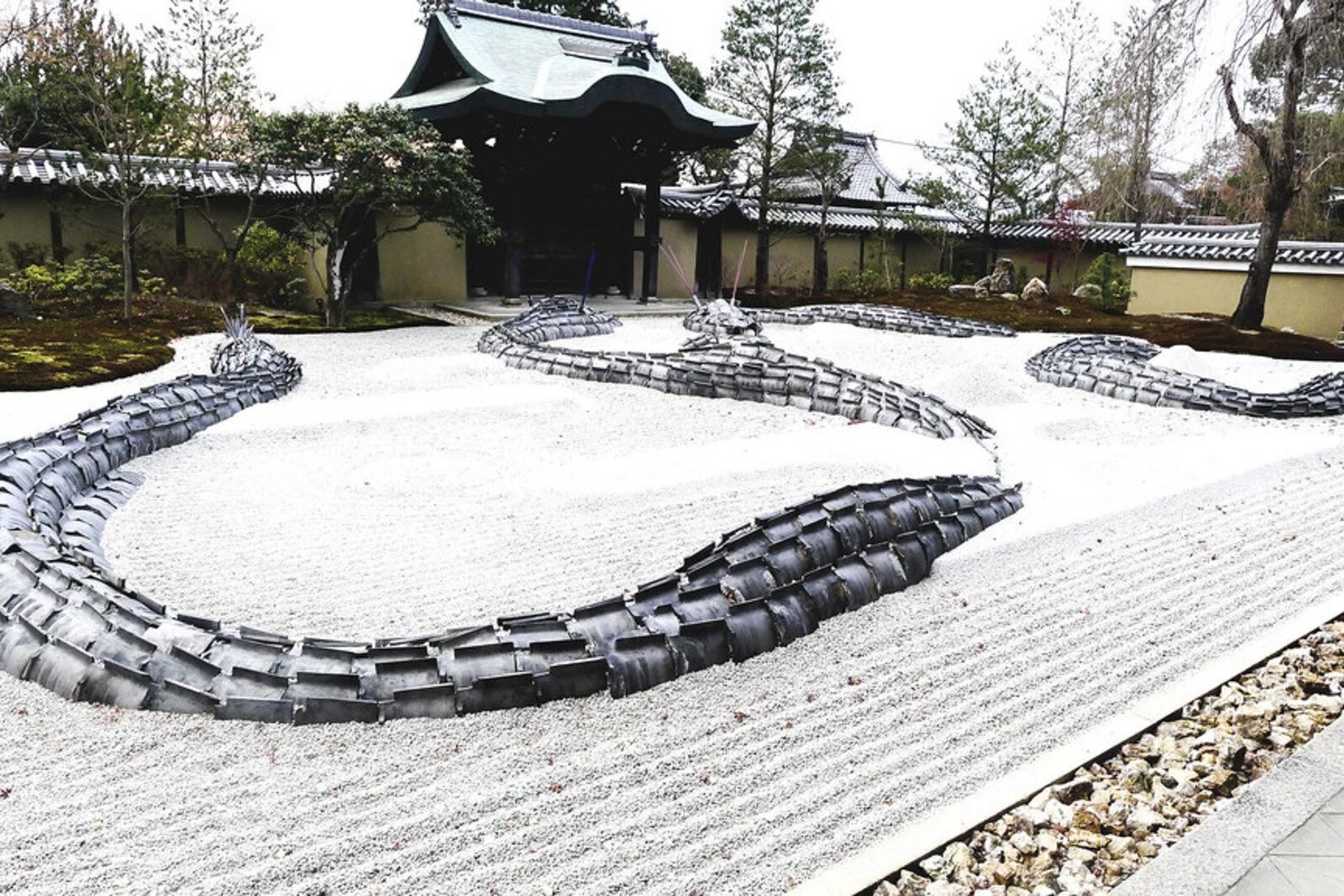
Look around first
What to notice
- Nene-no-Michi
- The gate of Kodaiji Temple
- Otamaya mausoleum
- Wooden images of Nene and Toyotomi Hideyoshi
The story of the place
On the west side of Nene-no-Michi stood Nene's home; Kodaiji Temple, the temple she built, rises on the east. The road bears her name precisely because it links the two parts of the life she established: living quarters below and a memorial temple on the slope.
Nene was the principal wife of Toyotomi Hideyoshi, the military commander who united almost all of Japan. When Toyotomi Hideyoshi died in fifteen ninety-eight, his heir was a young son by another woman. Nene became a nun and chose the name Kodai-in. The name Kodaiji Temple derives from it: the ending “ji” means temple.
The new ruling family had not yet established itself. The following year, Nene vacated the western part of Osaka Castle for Tokugawa Ieyasu—Hideyoshi's former subordinate, who intended to lead the country himself—and left for Kyoto. After his victory at Sekigahara, Tokugawa Ieyasu became shogun. Meanwhile, Nene sought his help in commemorating her husband, whose heir Tokugawa Ieyasu had pushed aside from government.
She did not come to him as a petitioner without means. The widow retained her high court rank, her own lands, and income; Tokugawa Ieyasu added money and people for the construction. At Nene's wish, her former living quarters with their garden, connected with her life under Toyotomi Hideyoshi, were moved from Fushimi Castle. In sixteen oh five, they were set at the foot of the slope, where Entoku-in Temple now stands. A year later, Kodaiji Temple opened higher up the slope. Wooden images of Toyotomi Hideyoshi and Nene were placed in its sanctuary, and the altar was covered in black lacquer with a gold pattern.
Nine years later, Tokugawa Ieyasu's troops took Osaka Castle. Toyotomi Hideyoshi's heir died, and the main line of the Toyotomi family came to an end. The victors did not destroy Kodaiji Temple: the temple had been built with Tokugawa Ieyasu's own participation and continued to serve in commemoration of his former lord. Nene remained here. She lived in her quarters for nineteen years, received military commanders, monks, tea masters, artists, and poets, and died in sixteen twenty-four.
Fires destroyed her residential palace and a considerable part of the original temple. Otamaya, the mausoleum, survives. The wooden figures of Nene and Toyotomi Hideyoshi still stand there, and Nene's remains are buried beneath her own statue. Below lies the site of her home, above is her grave, and between them runs the road that bears Nene's name.
Useful on site
Kodaiji Temple: 09:00–17:30, last entry 17:00; during periods of special night viewing, hours extend until 22:00, last entry 21:30.
Checked: June 16, 2026. Check the official source before visiting.Only part of the story is visible from the street; the garden, pavilions, and temple collections are visited separately inside Kodaiji Temple. Do not plan this visit as a one-minute pass-through.