 Guide On Map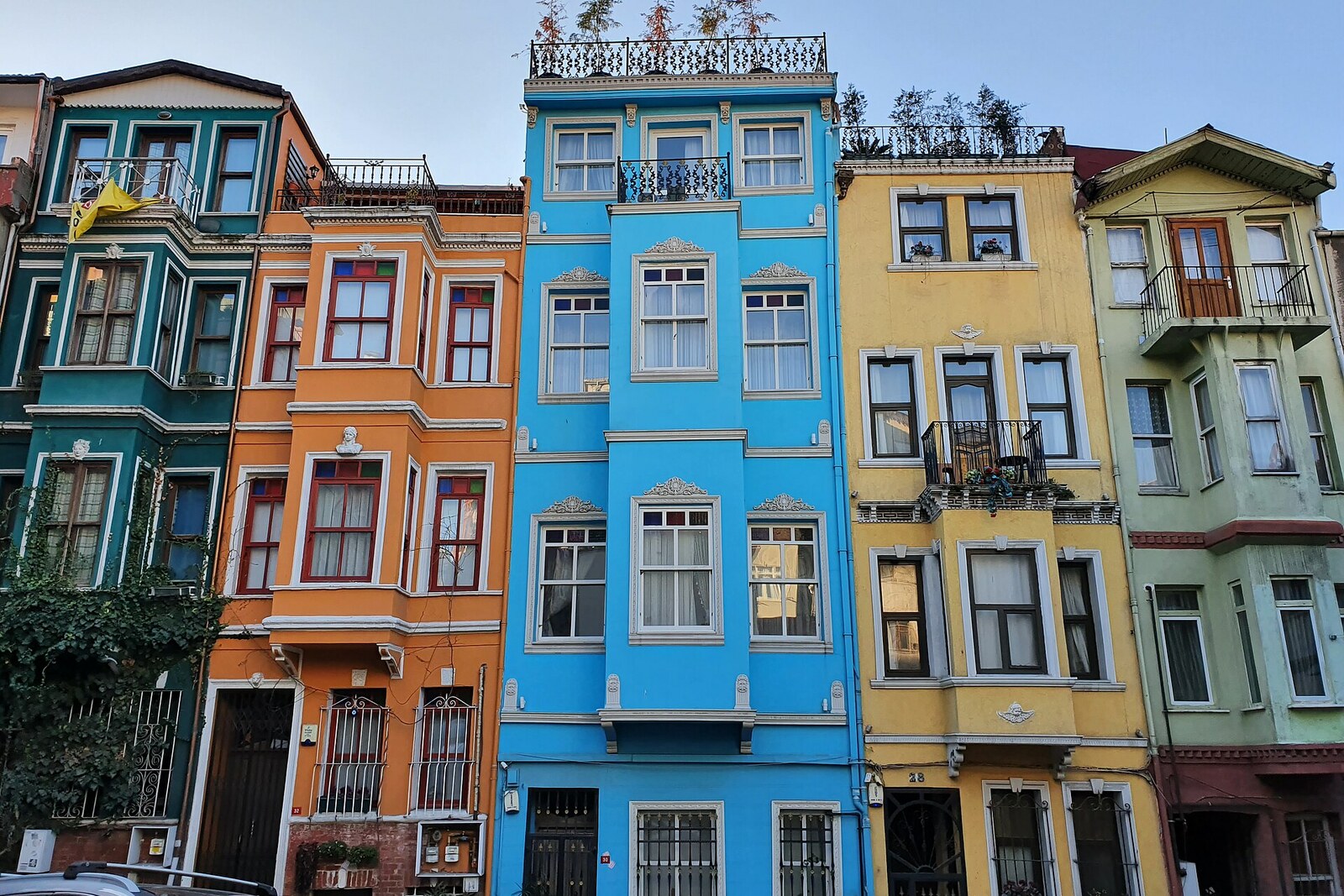
Look around first
What to notice
- Old residential houses
- Street shops
- Workshops
- The historic building of Or-Ahayim hospital
The story of the place
At the end of the nineteenth century, several young doctors began treating needy residents of Balat in the homes of needy residents of Balat. These streets were then one of Istanbul's main Jewish neighborhoods. Many families made their living as street vendors: they sold vegetables, milk, eggs, and nuts, and worked as water carriers and fishermen. Illness deprived such a person of their daily earnings, and there was no medical facility nearby.
Dr. Rafael Dalmedico, head of a society for helping the sick, decided to open a permanent medical center. Donation boxes were distributed to homes. Money was requested from benefactors abroad, collected at performances and balls, and badges were sold on the streets of Balat. In this way, the community raised eleven thousand gold coins.
With this money, a building by the Golden Horn was constructed over two years. In eighteen ninety-eight, by a sultan's decree, the small medical center Or-Ahayim opened there—its name means “Light of Life.” Home visits developed into a hospital where people who lacked money for medical care could be treated. Later, it admitted patients regardless of their faith.
Most Jewish residents left Balat during the twentieth century. New residents, workshops, cafes, and hotels appeared in the old houses and shops, but the hospital continued operating for decades. In the summer of two thousand twenty-five, it stopped admitting patients: the trustees could no longer pay for equipment and meet new requirements for medical infrastructure.
The historic building has been preserved. It was leased to a medical company for offices and a research center, while the Or-Ahayim foundation continues to pay for treatment, care, and medical insurance for people in need. The house built with donations now brings in rent; it is managed by the successors of the very society that began with boxes at doorways on the streets of Balat.
Useful on site
The district is open around the clock; it is best visited during the day.
Checked: June 17, 2026. Check the official source before visiting.Balat remains a residential district: do not hold photo shoots outside other people's doors and windows, do not block narrow passageways, and do not enter synagogues without separate permission. For a rest, choose an open cafe rather than residential steps.