 Guide On Map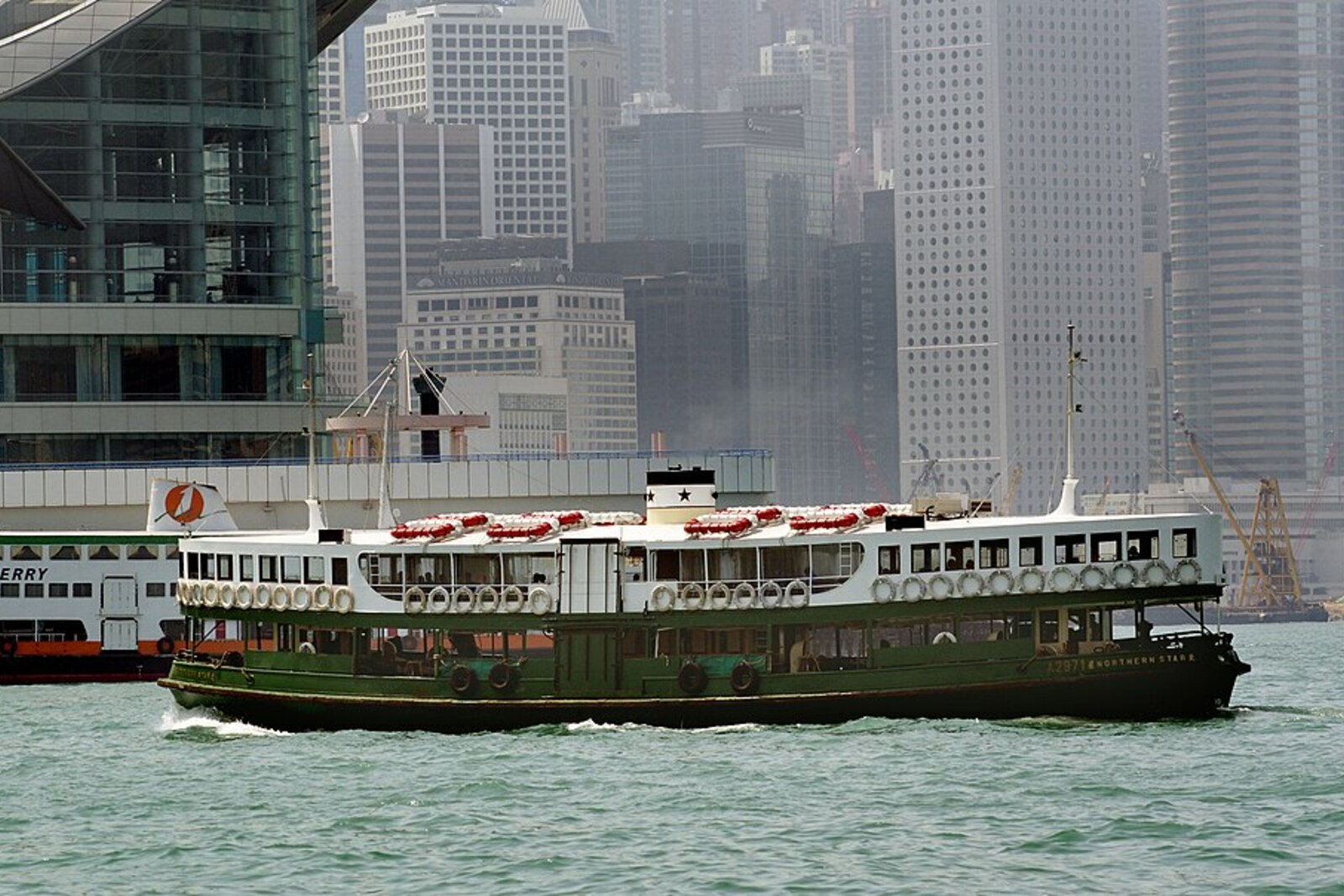
Look around first
What to notice
- The ferry terminal facade
- Upper and lower boarding levels
- Green-and-white ferries
The story of the place
The name “Star” came to the line from its first four steamships: Morning Star, Evening Star, Rising Star, and Guiding Star. When new owners combined these vessels into one company, the shared word became its name. The present terminal opened in nineteen fifty-seven: inside, two boarding routes diverge, toward the upper and lower decks, while green-and-white ferries wait by the water. Until road and rail tunnels were built beneath the harbor, Kowloon residents traveled from here to work on Hong Kong Island.
On the evening of April fifth, nineteen sixty-six, nineteen-year-old factory worker Lo Kei called the Tsim Sha Tsui police station. He gave his name, declared himself the leader of a demonstration, and warned that about ten people would march along Nathan Road against a ferry fare increase. Lo promised order. He had no permit for the march.
At the time, neither a road tunnel nor a rail tunnel yet existed beneath the harbor. For Kowloon residents, this pier was the everyday crossing to workplaces on Hong Kong Island. The company was seeking to raise the first-class fare—the upper deck—from twenty to twenty-five Hong Kong cents. Five cents was a quarter of the old price. At the same time, a monthly pass was to rise from eight to ten dollars.
The day before, at the opposite end of the route, twenty-seven-year-old interpreter So Sau-chung began a hunger strike between the exit from the underpass and the ferry turnstiles. He intended to remain there until he collapsed or the proposal for the new fares was withdrawn. Police arrested him for obstructing passage. Lo Kei managed to join So, and after So's arrest decided to move the action to the Kowloon shore.
About twenty participants crossed the harbor and gathered on the plaza at this terminal. They shouted slogans, asked passersby to add their signatures, then walked along Salisbury Road to Nathan Road. Two hours later, the demonstrators returned here. Passersby had joined the original participants; a commission of inquiry later estimated the crowd at about one hundred fifty people.
At the pier, Lo addressed those gathered. After that, the procession moved north again and grew to about three hundred people. The next day, another young demonstrator appeared here with a placard against the price increase. He too was arrested. New groups crossed from one shore to the other, met at the turnstiles, and left from here for Nathan Road.
Over the following nights, the protest turned into street riots in Kowloon. One person was killed, dozens were injured, and many hundreds were arrested. So Sau-chung received a prison sentence. The increase was approved anyway: from May second, a first-class ticket cost twenty-five cents, and a monthly pass cost ten dollars.
By then, the terminal building had already stood here for nine years: it opened in nineteen fifty-seven. The two boarding levels remain, and today passengers still pay different fares for the upper and lower decks.
“Star” appeared in the name with the line's very first steamships. The founder of the ferry service, Dorabjee Naorojee Mithaiwala, gave four vessels the names Morning Star, Evening Star, Rising Star, and Guiding Star. When new owners combined them into a company in eighteen ninety-eight, the shared word became its name. The name of those four boats remains on the facade of the present pier; inside are two routes to the decks, and because of the five-cent difference between them, a procession once set out from here for Nathan Road.
Useful on site
The Tsim Sha Tsui–Central route usually operates approximately 06:30–23:30, and the Tsim Sha Tsui–Wan Chai route approximately 07:20–22:50; intervals and fares depend on the route, day of the week, and deck. Actual sailing times may change because of harbor traffic, weather, and vessel positioning.
Checked: June 29, 2026. Check the official source before visiting.Listen to the story from the shore without obstructing passenger flow; a ferry ride is a separate addition.