 Guide On Map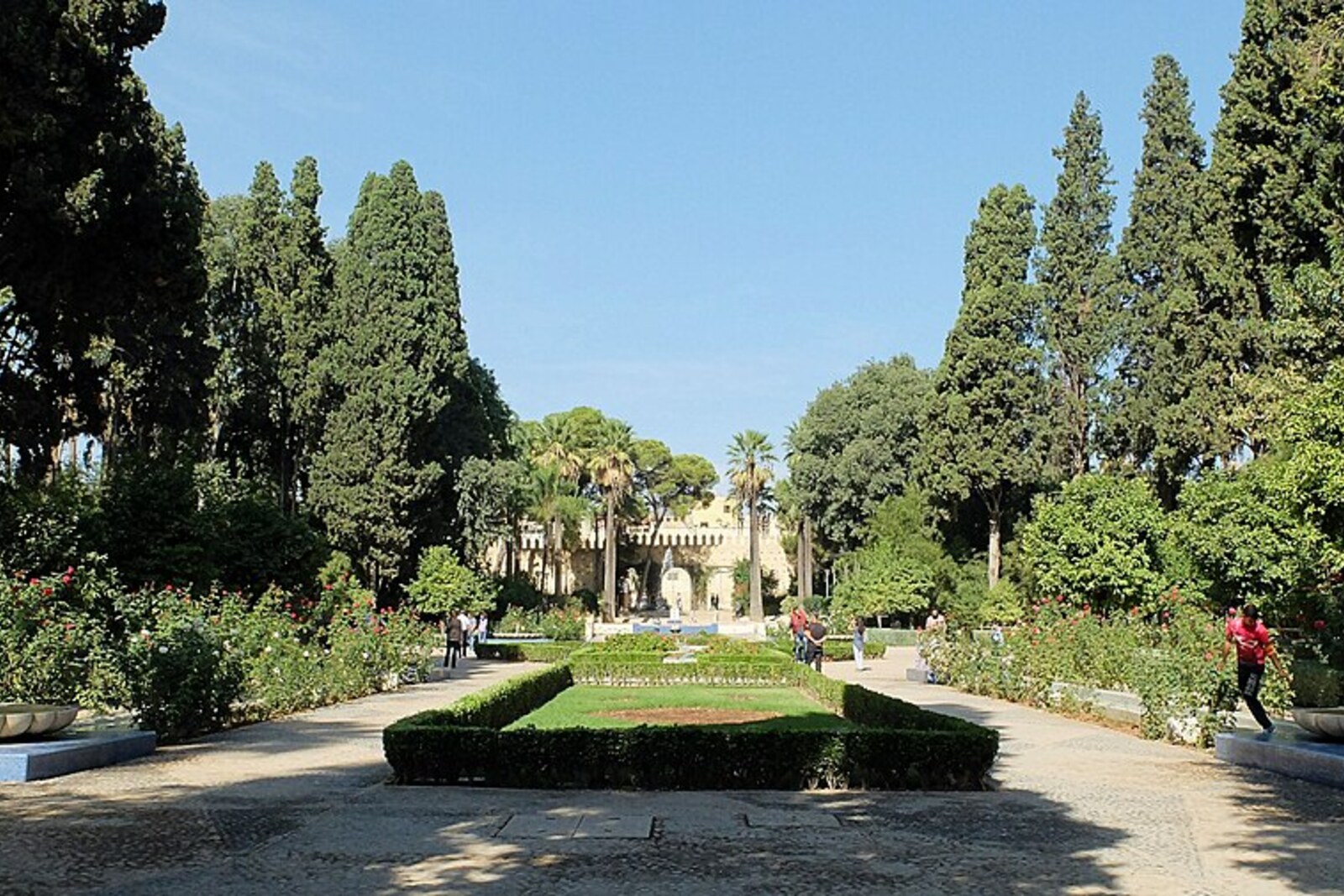
Look around first
What to notice
- Garden paths
- Trees
- Open area
The story of the place
Today, Jnan Sbil Gardens consists of garden paths, trees, and an open area where concerts are held in the evenings. A café once operated among this greenery; it has not survived, while the garden itself was restored as a public place. No visible trace of the former establishment remains, but a familiar way for the city to use this place has survived: to come here not on business, but for a walk or an evening under the open sky.
Sultan Moulay Abdallah ordered this garden to be laid out for the court in the eighteenth century. It was opened to the townspeople only in nineteen seventeen. One meaning of the name Jnan Sbil Gardens is “garden for the passerby”: “jnan” means garden, while “sbil” means a path and a place where a traveler can rest. Between Fes el-Jdid and Fes el-Bali, it really did become a shared space for the two parts of the city.
On November eighteenth, nineteen thirty-three, the young Fez journalist Muhammad Hassan al-Wazzani gathered supporters here. Several months earlier, he had founded the French-language weekly L'Action du Peuple and was campaigning for the anniversary of Sultan Muhammad ben Youssef's accession to the throne to become a nationwide holiday.
The editorial office invited the city's young people to the garden café. There were not enough seats for those who came: chairs were taken from neighboring establishments, and many remained standing. Tea and coffee were paid for from the newspaper's cash fund. The participants brought small Moroccan flags and performed an anthem in honor of the sultan. No one had officially authorized the holiday. Under the protectorate, this form was precisely calculated: those gathered expressed loyalty to the Moroccan monarch, while also showing the French administration how many people were ready to gather at the call of a national newspaper.
The risk for al-Wazzani was very real. On December first, the court ordered the seizure of the next issue of L'Action du Peuple, and publication was stopped. As early as December eighth, the journalist printed a new publication, “The Will of the People,” while at the same time appealing the ban. After the decision was overturned, he returned the former newspaper to print as well.
The following year, youth committees again began preparing November gatherings. The head of the sultan's government, Grand Vizier Muhammad al-Muqri, signed a decree, and the French resident-general Henri Ponsot approved it. November eighteenth became an annual state holiday. The administration tried to keep it within set limits: the celebrations were restricted to one day, and speeches and poetry readings were banned.
The Jnan Sbil Gardens café, to which chairs were brought in nineteen thirty-three, has not survived to the present day. Concerts under the open sky are now again held in the restored public garden.
Useful on site
Admission is usually free; no current official schedule was found in open sources. Guides for 2026 indicate daytime access, with some sources giving approximately 9:00–20:00; check the gates on site. Checked 2026-06-29.
Checked: June 29, 2026. Check the official source before visiting.The accessible gates and the garden's schedule may change, so follow announcements and staff instructions on site. Do not leave the permitted paths toward the channels and mechanisms.