 Guide On Map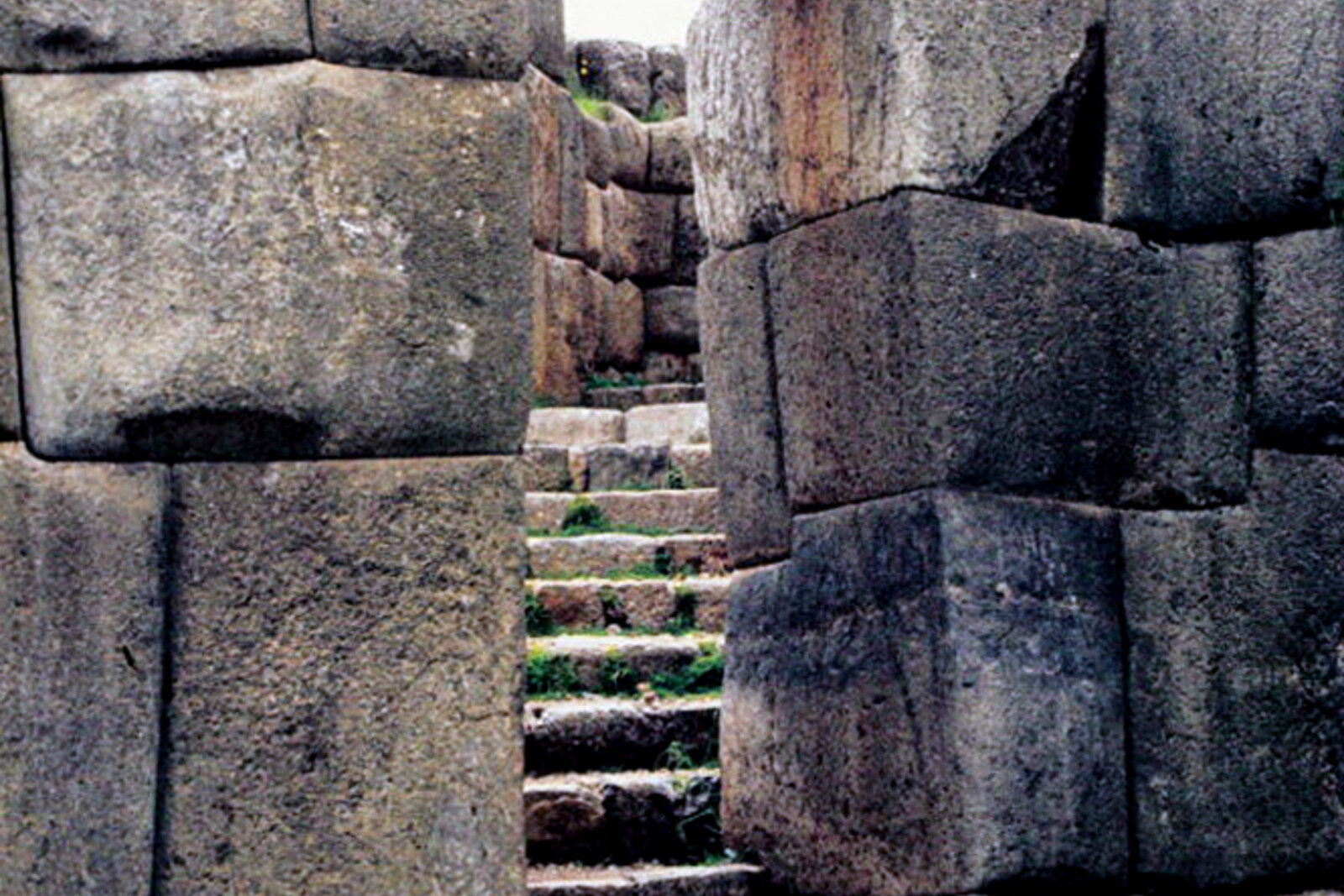
Look around first
What to notice
- Don Bosco Road
- Steep slope
- Boulders above the road
The story of the place
The present-day Don Bosco Road began to be laid out in nineteen twenty-seven, when the building of a Salesian school was being constructed on the southern slope. It is important to make this clear at once: there is no evidence that Inca builders dragged boulders to Sacsayhuamán along this route. The ancient path may have run differently. Yet any route to the upper platform required the same thing of people: getting heavy stone over steep ascents and descents.
In the fifteenth century, Pachacuti, ruler and rebuilder of Cusco, ordered a House of the Sun to be built on the hill. The chronicler Pedro de Cieza de León writes that the structure was meant to surpass Qorikancha, the main Temple of the Sun below, in the city. To do this, twenty thousand workers were summoned from designated provinces, and their communities were required to send food supplies.
Cieza climbed to Sacsayhuamán twice and questioned people who still remembered how this construction was organized. Four thousand workers quarried stone. Six thousand moved the boulders on large ropes made of leather and strong agave fiber. The rest cut the foundation into the rock, dug trenches, and prepared timber. They worked in shifts: a worker who fell ill was sent home, and another arrived in that worker's place. Each community lived separately in its own camp near the construction site; Cieza still saw the walls of these settlements.
Garcilaso de la Vega names Calla Cunchuy as the last chief master. This man directed the setting of the stone and wanted his name to remain after the work was completed. According to Garcilaso, the master gave his name to a huge boulder intended for one of the new structures at the summit.
Here begins a legend that Garcilaso, a chronicler born in Cusco, recorded from Inca experts on the past. They said that more than twenty thousand people pulled one boulder. Half held the front ropes, while the other half braked the stone from behind so that it would not roll downhill. On one of the slopes, the rear rows pulled out of coordination. The people in front kept moving, but those holding the boulder could not take its weight. The stone broke loose.
Garcilaso puts the number of dead as high as three or four thousand. This number comes from oral tradition, not from a verified count. He did not name the slope either, so attributing the disaster specifically to this bend in the road would be invention. What sounds most reliable in the account is the arrangement of the pull: some people moved the boulder, others constantly fought its backward motion, and the fate of both groups depended on simultaneous effort.
After their companions died, the survivors raised the stone again and brought it to a level platform. It was never set into the structure for which it was intended. The workers called the boulder Saycusca—the Tired One. According to the legend, the holes in its upper part became its eyes, and the reddish streaks became bloody tears. Garcilaso separated this image from fact: local red soil colored the water. He also explained the name itself: people attributed to the stone what had happened to them—they had grown tired, they had shed blood, and they had not brought the work to completion.
Cieza saw a huge worked stone near Sacsayhuamán just a few decades after the conquest. He walked around it and counted about two hundred seventy of his own handspans around its circumference. Today, the Tired Stone is usually associated with Colla Concho near Chincana Grande, north of the main walls, although researchers disagree: this mass may always have been a rock outcrop.
Above the modern road stand boulders that construction crews brought into the masonry. Saycusca remained outside the wall, and Calla Cunchuy's name remains in the story of the stone intended to preserve the master's memory—and which preserved the memory of those who held the rear ropes.
Useful on site
Open urban space; go during the day, conserve your breath on the climb, and do not block narrow passages.
Checked: June 28, 2026. Check the official source before visiting.Climb at your own pace and take breaks before severe shortness of breath develops. Do not look for entrances to supposed underground passages, and do not cross closed-off areas.