 Guide On Map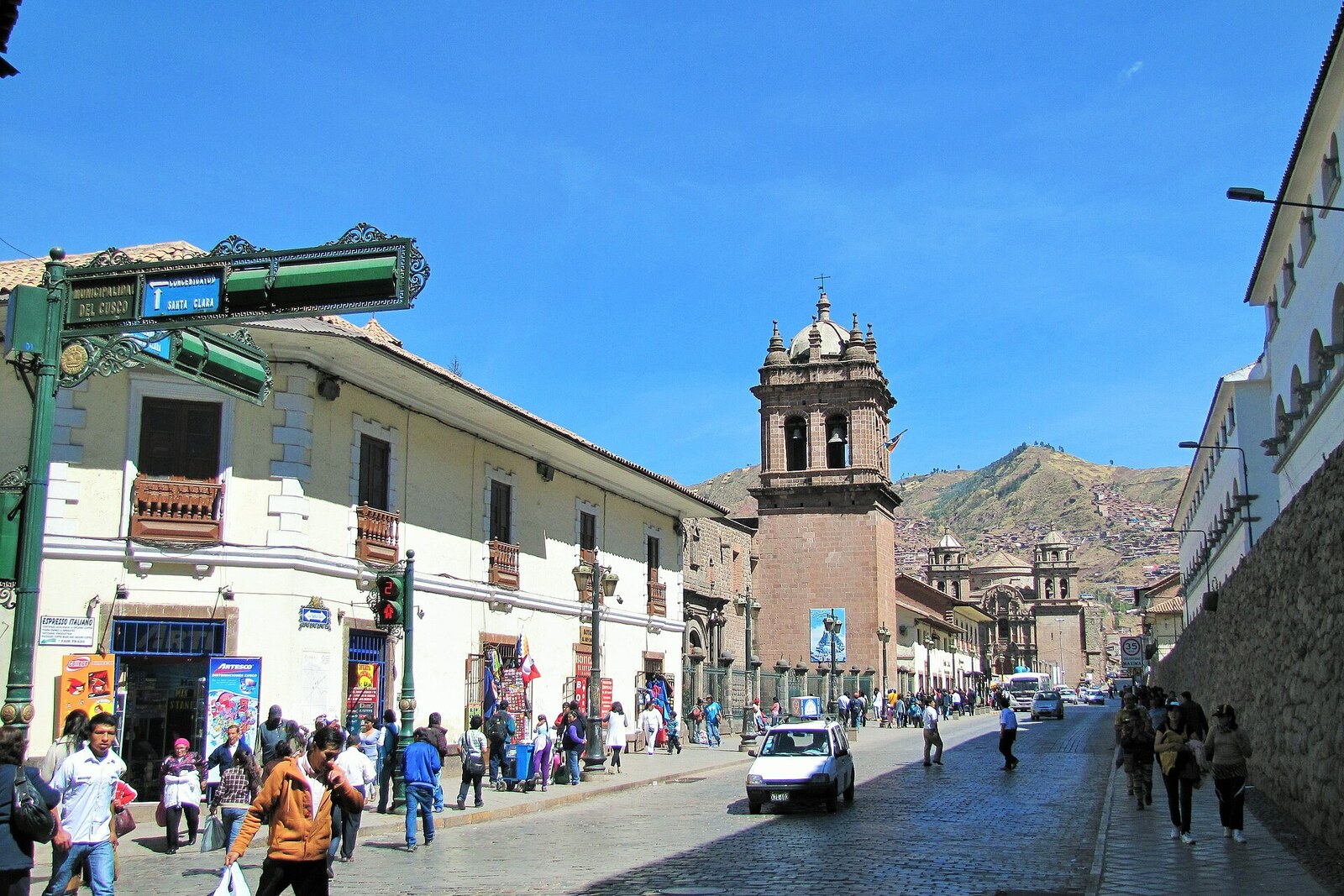
Look around first
What to notice
- The high monastery wall
- The façade of the monastery church
The story of the place
Behind the high wall is an active monastery of Poor Clares—nuns who live in seclusion. The street took its name from this monastery. The monastery itself is named after Saint Clare of Assisi, a follower of Saint Francis of Assisi. She founded the female community of Poor Ladies and secured its right to live without property; her sisters later came to be called Poor Clares.
The present building arose here thanks to Beatriz de Villegas, a wealthy widow who, according to the documents, had no children. By fifteen ninety-four, she had already spent more than thirty-four thousand pesos on the new monastery, then gave all her property to the Poor Clares. In her deed of gift, Villegas ordered that the main chapel—the honored part of the church by the altar—be given to whoever made the largest contribution. Her brother Juan Zapata was to receive a burial place there.
Villegas's plot proved unsuitable for a large monastery. In sixteen oh three, the city council exchanged it for this land, and construction continued here. Nineteen years later, the Poor Clares moved in a solemn procession from the former monastery to the new one. The next day, the church standing before you was consecrated.
But the remains of Jerónimo Costilla and his wife María Riveros stayed in the old monastery church. Costilla, one of the Poor Clares' earliest patrons, had paid several thousand pesos as early as fifteen seventy-seven for the right to be buried by the main altar together with his descendants. The nuns moved the community, but did not acknowledge that the purchased place automatically transferred to the new church.
Jerónimo's eldest son, Pedro Costilla de Nocedo, sought to preserve the family tomb. He sat on the city council and inherited the encomienda of Asillo—the right to receive tribute, and with it access to credit and to people who grazed livestock on his estate. A place by the monastery altar confirmed the family's standing, on which those connections rested.
The head of the Franciscans ordered Pedro not to take unilateral action. Pedro nevertheless appeared at the old church with a local priest, opened his parents' grave, and personally carried their bones here, to the new main chapel. A legal battle lasting many years began. Juan Zapata gave up the burial promised to him in exchange for a plot of land, while Pedro continued litigating until his death in sixteen forty-one.
The documents do not say how the dispute ended or where the Costilla couple's bones ultimately remained. The present church is the very church to which Pedro moved his parents, but it is now impossible to identify their grave in its main chapel.
Useful on site
The street is open as an urban space; entry to the monastery depends on services and internal rules.
Checked: June 28, 2026. Check the official source before visiting.View the monastery from the street and respect its enclosed character. At the Inca wall, do not block the narrow passage or climb on the masonry.