 Guide On Map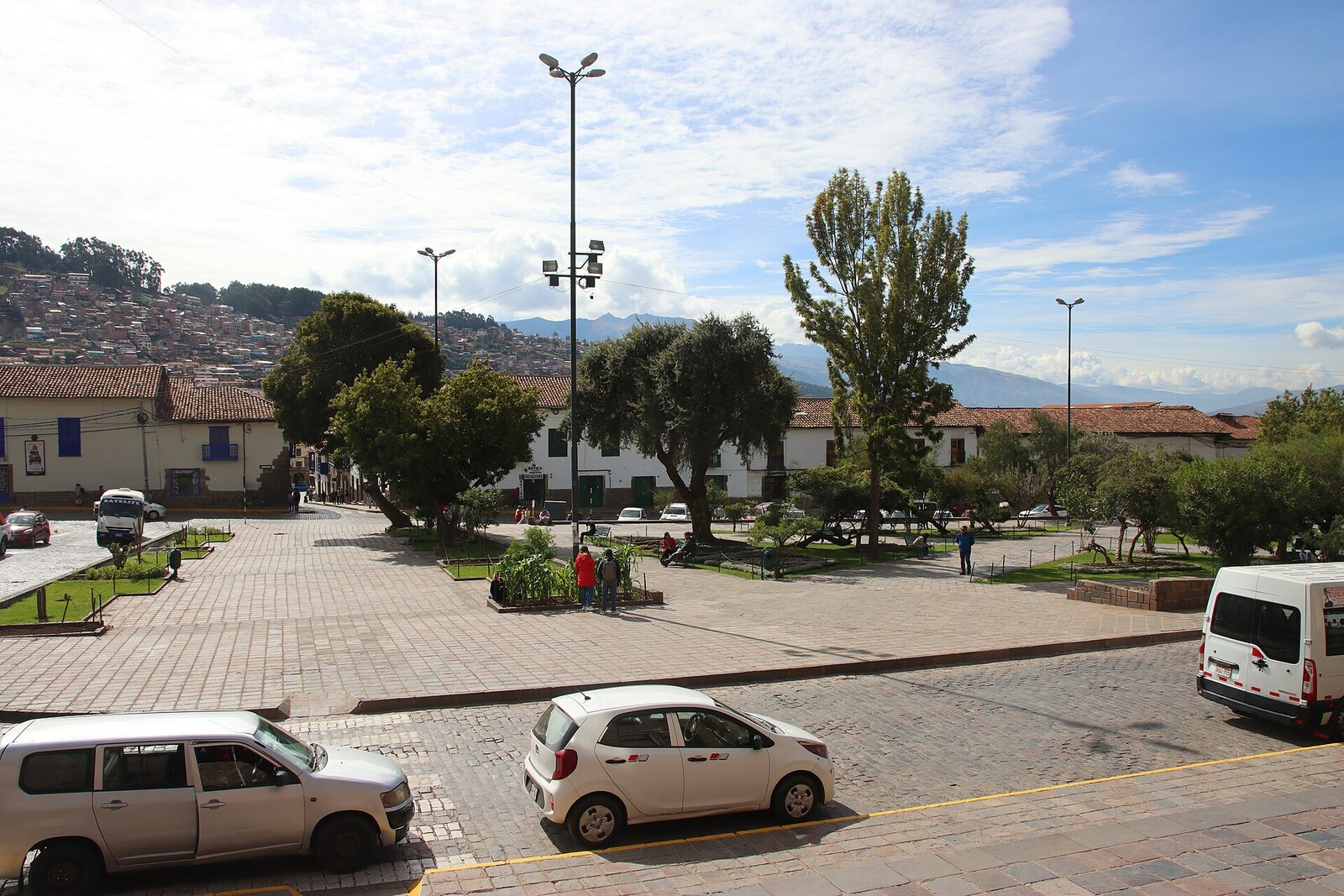
Look around first
What to notice
- Stone facade of the church
- Monastery buildings
- Square in front of the complex
The story of the place
Behind the stone facade stands an entire monastic complex: the church is surrounded by buildings where the community lived and carried out its work. At the edge of the old Cusipata square, the Chacnapata terraces once stretched out; nearby stood a small San Lazaro hospital and a chapel. Water and space made it possible to place a church, the friars’ living quarters, service buildings, and a cemetery here. Now part of the monastery is open for the museum route, and a school founded by this community operates nearby.
At the end of fifteen forty-seven, the Franciscans left behind a church, cells, and a refectory in central Cusco and fled the city. They never returned to their former site. Iglesia de San Francisco stands here precisely because of that flight.
The community appeared in Cusco soon after the Spanish conquest. In fifteen thirty-four, Brother Pedro Portugués, a Franciscan preacher and founder of the local convent, settled the first friars on Tococachi Hill, in what is now the San Blas district. They intended to live together, pray, and convert Indigenous residents to Christianity. Two years later, during the siege of Cusco by Manco Inca’s troops, the Franciscans had to leave.
When the siege ended, Pedro Portugués asked Governor Francisco Pizarro for a place within the city. In fifteen thirty-eight, the friars were settled in Casana, the former palace of the Inca Pachacútec on what is now Plaza de Armas. A church was set up in one of its enormous covered halls, with cells and a refectory beside it. Yet nine years later, this house found itself in the middle of another war. Gonzalo Pizarro, one of the conquerors of Peru and a wealthy owner of estates and mines in Charcas, led a revolt by Spanish encomenderos, recipients of tribute and labor. An encomienda gave a conqueror the right to receive tribute and labor from communities assigned to him; for such men, it was a source of wealth and a future inheritance for their children. The New Laws threatened these privileges. Gonzalo Pizarro defeated his opponents, occupied Cusco, and pursued those he considered disloyal. At the end of fifteen forty-seven, the Franciscans left Casana, abandoning the home they had already settled into and everything for which they had moved to the center.
The outcome came near Cusco, on the plain of Jaquijahuana. In April fifteen forty-eight, most of Pizarro’s soldiers went over to the royal envoy. The rebel surrendered; the next day, he was beheaded together with his closest associates. The Franciscans were able to return to the city, but they did not claim Casana back.
In fifteen forty-nine, the friars chose this site at the edge of the former Cusipata square. The Chacnapata terraces ran here, and there was a small San Lazaro hospital with a chapel. The new place gave the community water and enough land for a church, cells, service buildings, and a cemetery. The Franciscans established themselves here permanently, and in time the square before the convent took their name.
The friars themselves called themselves followers of Saint Francis of Assisi, the son of an Italian merchant who renounced his inheritance and founded the Order of Friars Minor, requiring them to live in poverty and preach. His name is therefore borne both by the church and by the monastic community for which the entire complex was built.
The church erected after the move no longer exists. In sixteen forty-five, the Franciscans dismantled the dilapidated church and began building a new one. The earthquake of sixteen fifty damaged the still unfinished building, but work continued and was completed about two years later. The present church dates from that reconstruction.
The Franciscan community still occupies its third address: the church is active here, part of the monastery buildings is used for a museum route, and a school founded by the friars operates nearby. No material traces remain of the first two convents, on Tococachi Hill and in Casana. What remains is the site the Franciscans chose after returning from their flight.
Useful on site
The museum’s listed hours differ across public sources; services and special dates may change access. Check the schedule before visiting.
Checked: June 28, 2026. Check the official source before visiting.If the church is open, view the interior without flash and do not approach closed monastic areas. Ask on site about access to the crypts and individual rooms.