 Guide On Map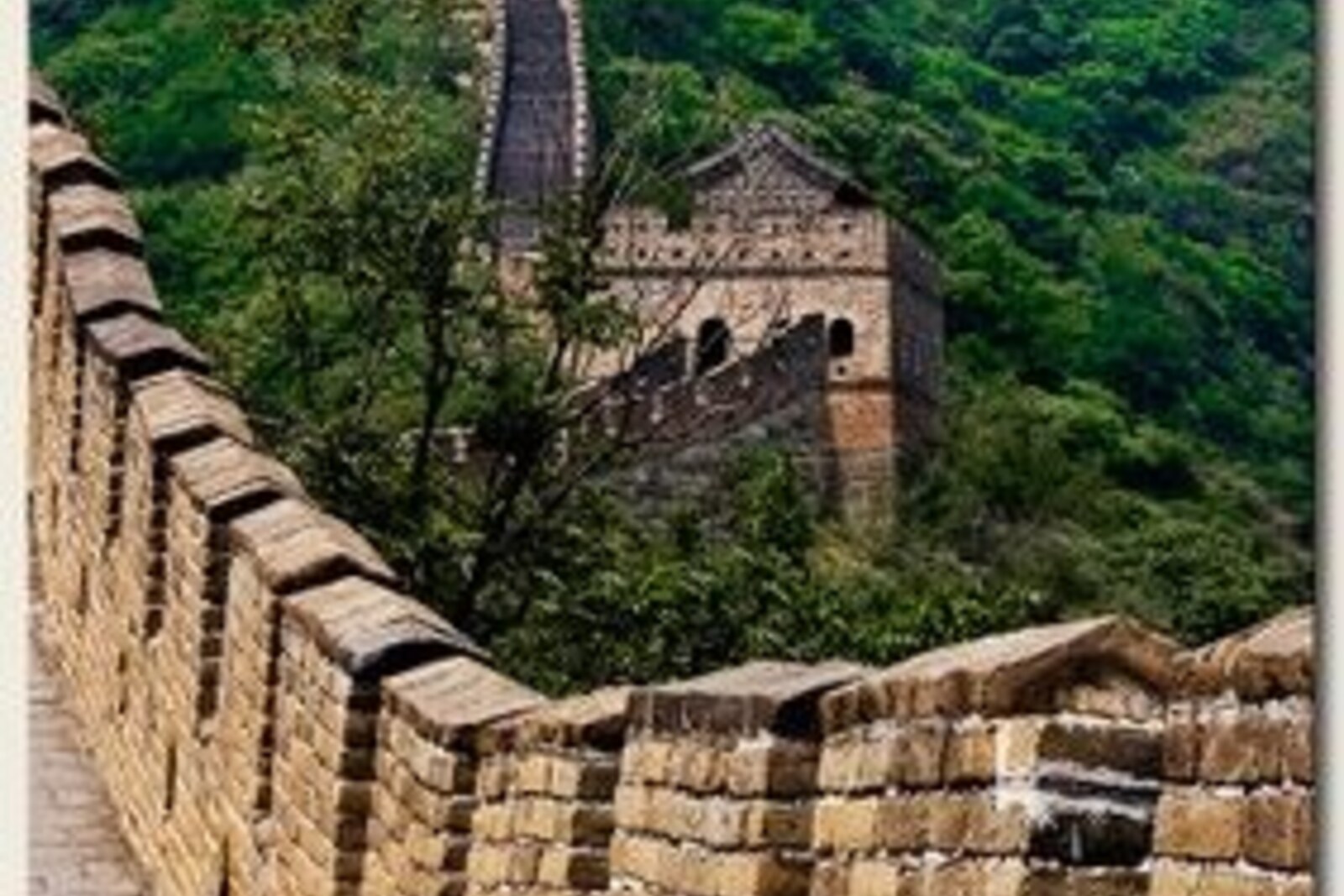
Look around first
What to notice
- The stone slab
- The inscription “Boundary Marker”
- The south wall of the tower
- The west exit
The story of the place
A stone slab eighty centimeters high and thirty-five centimeters wide is set into the south wall of Tower No. 18. At the top, carved in large characters, are the words: “Boundary Marker.” Below: “To the east, the land of Mutianyu; to the west, the land of Jia'erling.” At the bottom is a date—the sixth day of the seventh month of fourteen seventy-one.
This boundary divided the garrisons of one army. Ming officials marked the Wall into sections to establish whose soldiers held the towers, repaired the masonry, and came to help when an alarm was raised. Many border guards belonged to hereditary military families: some stood watch, while others grew grain for the garrison. The inscription defined a duty that could pass from father to son.
Forty-four years later, it became clear that the stone line matched the distances on the ground poorly. Jia'erling and the neighboring Tianxianyu Pass were under Huanghua District, but its command center was far away. Chen Yu, the deputy minister of war responsible for border affairs, pressed for orders and help to come from the nearest garrison. He proposed temporarily transferring these sections to the commanders of Miyun. The Ministry of War agreed: the soldiers west of the slab received new command, although the inscription remained unchanged.
In the autumn of fifteen forty-three, the reason for that decision became concrete. Mongols from the Duoyan Confederation broke through Jia'erling and Tianxianyu Pass, then surrounded Mutianyu. Commander Chen Shun, responsible for holding the pass, was killed. Wang Jizu, deputy head of the eastern line stationed in Miyun, and Commander Liu Dao led reinforcements. After they arrived, the attackers withdrew.
The slab is still in the south wall, and the name Jia'erling can still be read. The modern route leads from here to Tower No. 19 and Tower No. 20 of Mutianyu. For the garrison of fourteen seventy-one, the west exit of Tower No. 18 already opened onto another defensive sector.
Useful on site
Accessible only during the section’s operating windows; open stairways and narrow passages may be unsafe in bad weather.
Checked: June 28, 2026. Check the official source before visiting.Examine the slab and the interior layout without leaning on the old masonry or blocking the passage through the tower.