 Guide On Map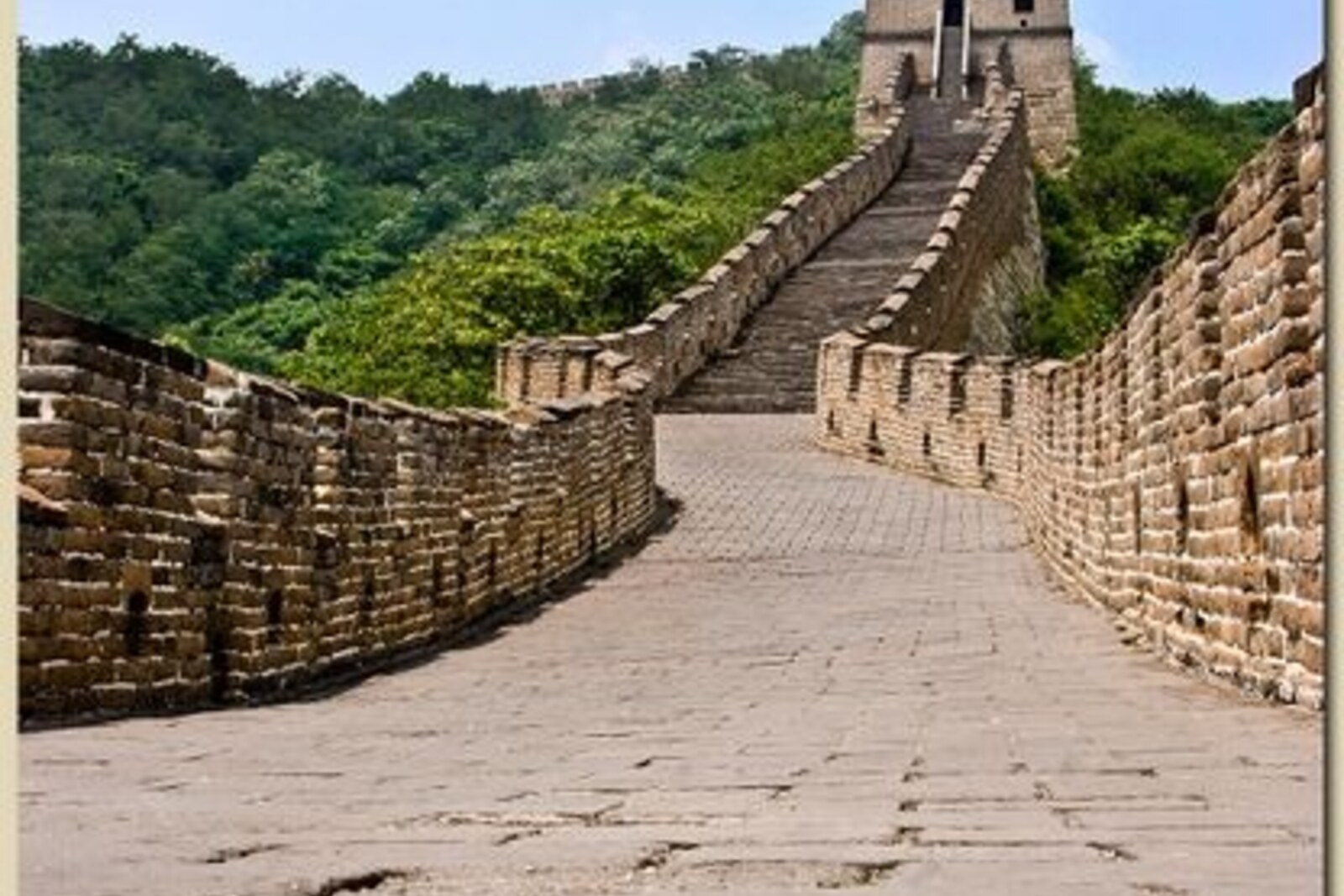
Look around first
What to notice
- Five white characters
- The stone outline of the inscription
- The distant slope
- Tower No. 17
The story of the place
From the ridge between Tower No. sixteen and Tower No. seventeen, five white characters can be seen on the distant slope. They mean: “Loyalty to Mao Zedong.” The white outline is made of stones; there is no paint here.
The inscription appeared in nineteen sixty-eight, during the Cultural Revolution. Residents of Beigou Village carried stones up the mountain and laid out a pledge to Mao Zedong, the leader of China, facing the valley. The names of those who laid the stones have not survived. What their village lived on is known: before tourism developed, apple and pear orchards were the main source of income here. The enormous inscription became their public testimony of political loyalty.
After the Cultural Revolution ended, the stones were not dismantled. The slope became overgrown, and the inscription gradually disappeared from view. In two thousand eight, the local village head was looking for a way to attract visitors here: only a few rural guesthouses operated beside the Great Wall, and tourists rarely came into them. At his instruction, the brush was cleared and the stone outline was repaired. The five characters once again became legible from the Wall.
Modern routes now mark Tower No. seventeen specifically as the point from which this inscription is visible. On the distant slope lies the restored outline that Beigou Village orchard workers laid out from stones in nineteen sixty-eight.
Useful on site
Accessible only during the section's operating windows; the open ridge may be closed or restricted in hazardous weather.
Checked: June 28, 2026. Check the official source before visiting.Do not judge the distance by the apparent proximity of the visible tower: substantial changes in elevation are hidden between neighboring points.