 Guide On Map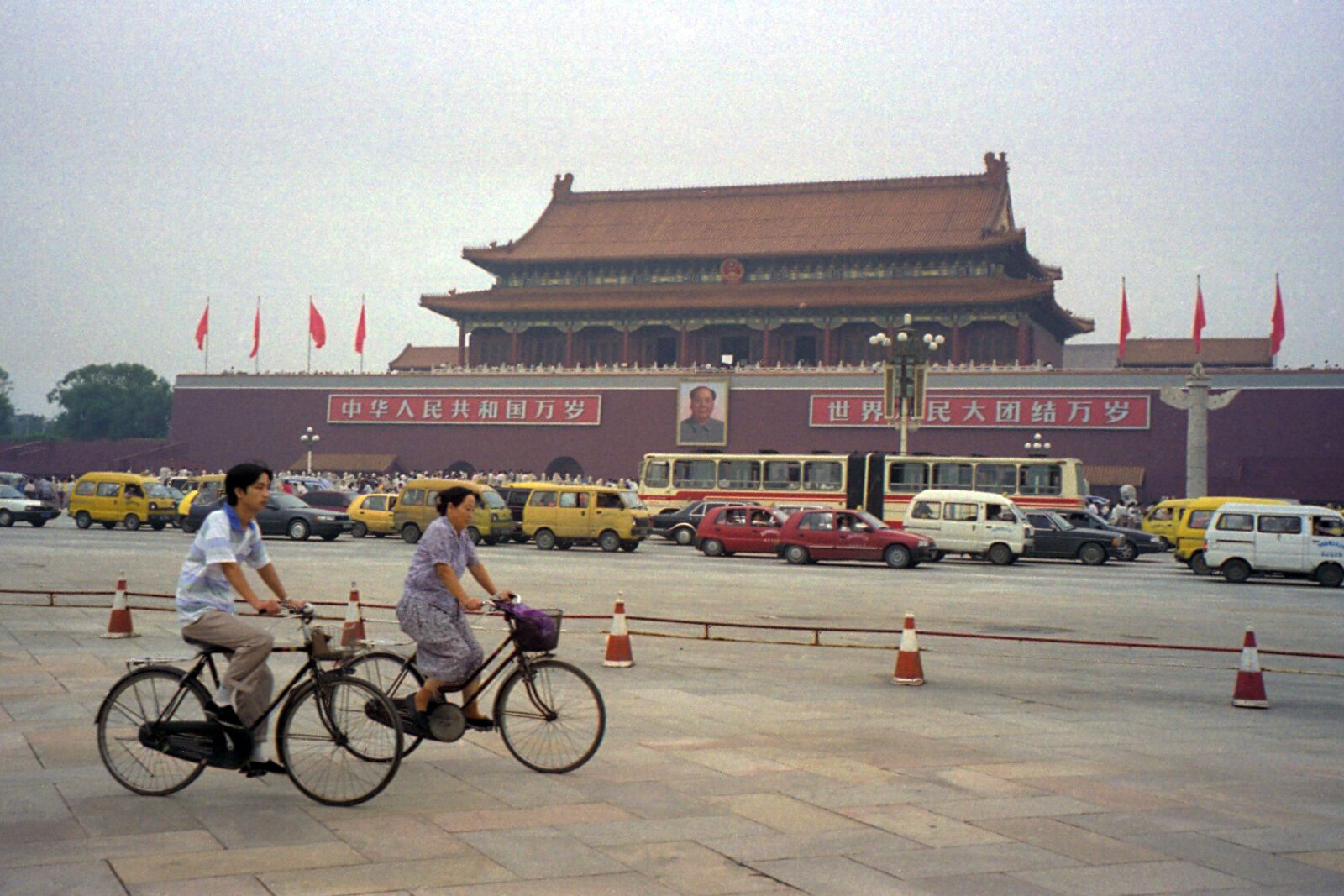
Look around first
What to notice
- Five arched openings
- Red wall
- Gatehouse pavilion
- Plaque bearing the gate's name
The story of the place
A gatehouse pavilion rises above the red wall, and below it five vaulted passages once separated people by rank. The Imperial City began here; to reach the Forbidden City, one still had to pass through two more gate thresholds. The present appearance took shape after the Qing restoration: the earlier Ming gate on this site did not survive the fire. This is the entrance to an entire palace sequence, not to a separate building.
Five arched openings in the red wall led into the Imperial City. To reach the Forbidden City itself, one still had to pass through Duanmen Gate and Meridian Gate. The emperor used the central passage; everyone else's access here was determined by rank and ceremony.
This was where imperial edicts left the palace. When a sovereign ascended the throne, married, or appointed an empress, officials carried a sealed scroll along the central road. Before the gate, they read the text to the assembled dignitaries, then tied it to a wooden golden phoenix and lowered it from the tower. Staff of the Ministry of Rites received the edict, copied it onto yellow paper, and sent it throughout the country. It was here that a decision made behind the palace walls became publicly announced.
The first gate on this site was built under the Ming dynasty by fourteen twenty and named Chengtianmen Gate, “the Gate of Receiving Heaven's Mandate.” Chinese emperors explained their right to rule through the Mandate of Heaven; a dynasty that brought the country to calamity was considered capable of losing it.
In sixteen thirty, the last Ming emperor, Chongzhen, was trying to cut the expenses of the depleted treasury and abolished posts in the state postal service. Among those dismissed was Li Zicheng, the son of a peasant and a courier at a postal station in Shaanxi. Government service had provided him with a steady income. Having lost his position, he joined the rebels that same year and later led his own army, which sought the overthrow of the Ming dynasty.
Fourteen years later, Li's army approached Beijing. His supporters opened the city gates from inside. Chongzhen, left with almost no defenders, hanged himself on a hill behind the palace. Li occupied the imperial residence and declared himself ruler of the new Shun dynasty.
He could not hold the capital. Wu Sangui, a Ming frontier commander, wanted to drive the rebels out of Beijing and let Manchu troops through Shanhai Pass. They were commanded by Dorgon, a regent intent on conquering Beijing for the underage Qing emperor Fulin. Together they defeated Li. Returning to the capital after his defeat, Li assumed the imperial title, but left westward the very next day. During their retreat, his men set fire to palaces and city towers. Chengtianmen Gate burned down; only the base of its walls remained. Li died in Hubei the following year, although accounts of the circumstances of his death differ.
Dorgon occupied Beijing and brought Fulin here. In sixteen fifty-one, the young emperor, who ruled under the reign title Shunzhi, ordered the gate rebuilt and gave it a new name: Tiananmen Gate, “the Gate of Heavenly Tranquility.” The name was associated with the formula: “receive Heaven's command and pacify the country.”
The Ming tower that Li Zicheng saw is no longer here. The five openings and the gatehouse pavilion retain the appearance established by the Qing reconstruction, while the plaque still bears the name given to the gate by the dynasty that came to Beijing after the fire.
Useful on site
For the main walk, an exterior view from the edge of the square is sufficient; climbing Tiananmen Gate's tower operates under a separate arrangement and requires checking the current channel before visiting.
Checked: June 28, 2026. Check the official source before visiting.Do not mistake this gate for the direct entrance to the palace: further thresholds remain before the Forbidden City. At the passages, follow the general flow and do not stop where movement narrows.