 Guide On Map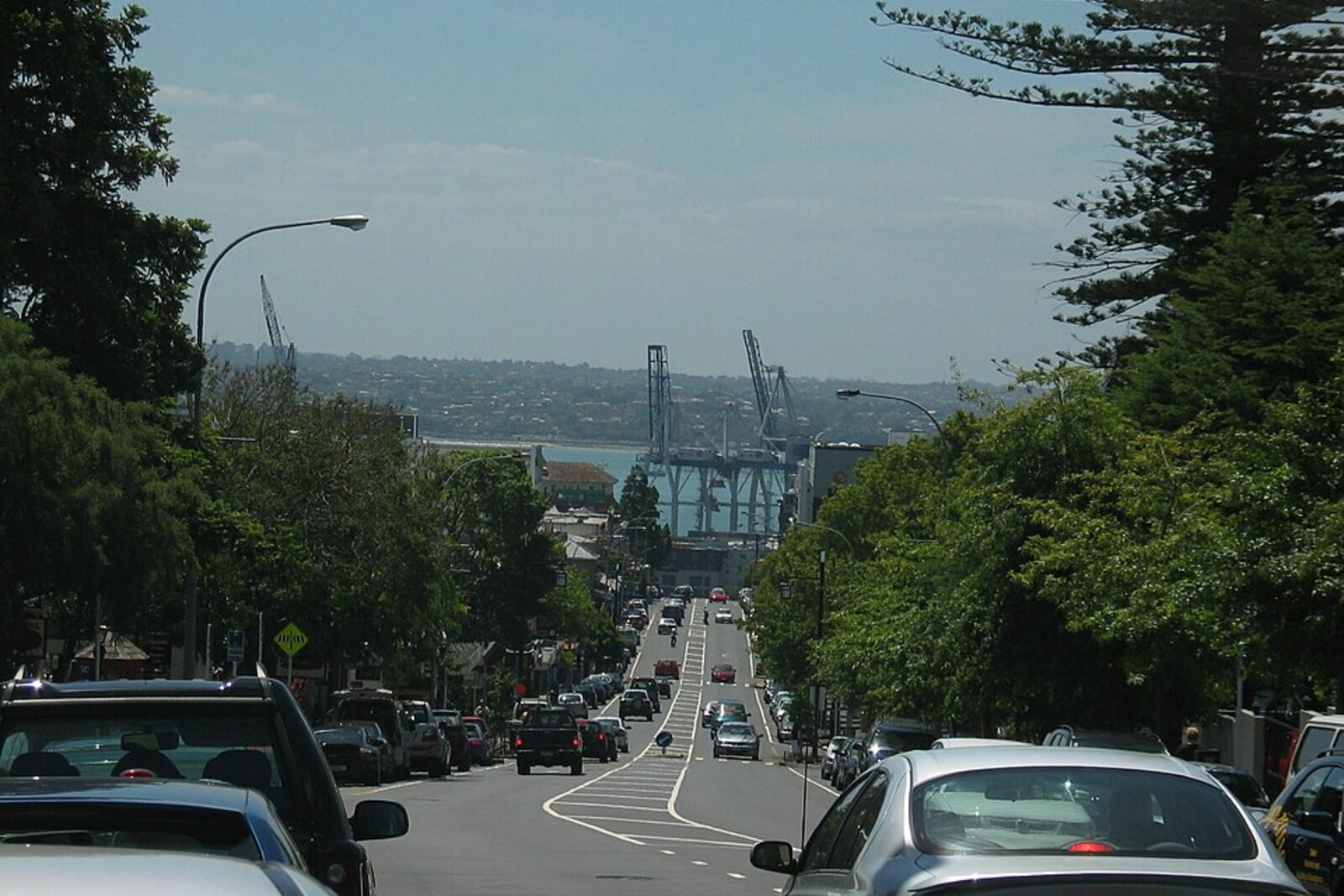
Look around first
What to notice
- Brick arches
- Tight shopping courtyards
- Outdoor staircases
- The gardener’s bronze figure
The story of the place
Brick arches, narrow courtyards, and outdoor staircases form a small shopping quarter here, where cafes, shops, and restaurants are linked by passageways between the houses. Its foundation was the surviving wooden buildings of the nineteenth century; alongside them came bricks, doors, and Victorian details removed from houses in other parts of Auckland. Parnell first named a local land subdivision, then spread across the whole suburb and its main street. On Saturdays, these courtyards fill with customers thanks to a special permit for weekend trading.
In the nineteen seventies, Les Harvey was often on his knees here: wearing an army sweater and cap, he planted flowers and laid bricks himself. Harvey was a property owner and developer. He bought up Parnell’s weathered houses to lease them to traders, while preserving the low wooden buildings and turning their yards into passages between shops.
He bought cheaply. After the Second World War, Parnell was considered a poor and neglected district; some houses were already falling apart, and developers usually preferred demolition. Harvey converted homes into cafes, restaurants, and small shops. He collected materials from demolitions elsewhere in Auckland: old bricks, doors, and details from Victorian buildings found their way here, into new additions and courtyards. That is why the present-day “old-fashioned” appearance of Parnell Village is made up of genuine nineteenth-century houses and Harvey’s imagination from the seventies.
The name itself appeared much earlier. On September first, eighteen forty-one, the trader and land speculator Robert Tod bought three acres here, and by September fourth he was advertising thirty-six subdivided lots as “Village of Parnell”—the village of Parnell. He gave it that name in memory of John Vesey Parnell, an Irish member of a Protestant mission in Baghdad. Tod met him while supplying that mission with Bibles. The names of neighboring subdivisions disappeared, while the word “Parnell” spread to the whole suburb and its main street.
Harvey brought back the old phrase “Parnell Village” and filled it with commerce. He invited craftspeople and street vendors and persuaded acquaintances to open businesses of their own. At the time, New Zealand shops were not normally allowed to operate on weekends, but Parnell received permission to trade on Saturdays. People began coming here especially for the weekend: first for craftspeople and open stalls, then for boutiques and restaurants.
The tenants gained customers, and Harvey’s inexpensive property rose sharply in value. By the nineteen eighties, Parnell had become a prestigious district, its former low-income residents had to look for homes in other suburbs, and Harvey himself had grown wealthy from commercial rents.
His bronze figure stands in one of the brick courtyards, installed by his children in two thousand fourteen. Harvey is shown on his knees among plants, in the very sweater and cap in which the owner of Parnell Village was mistaken for a gardener.
Useful on site
Open street; shop, cafe, and gallery hours vary.
Checked: June 28, 2026. Check the official source before visiting.Examine the details from public passageways: some courtyards and interiors belong to operating businesses and private premises.