 Guide On Map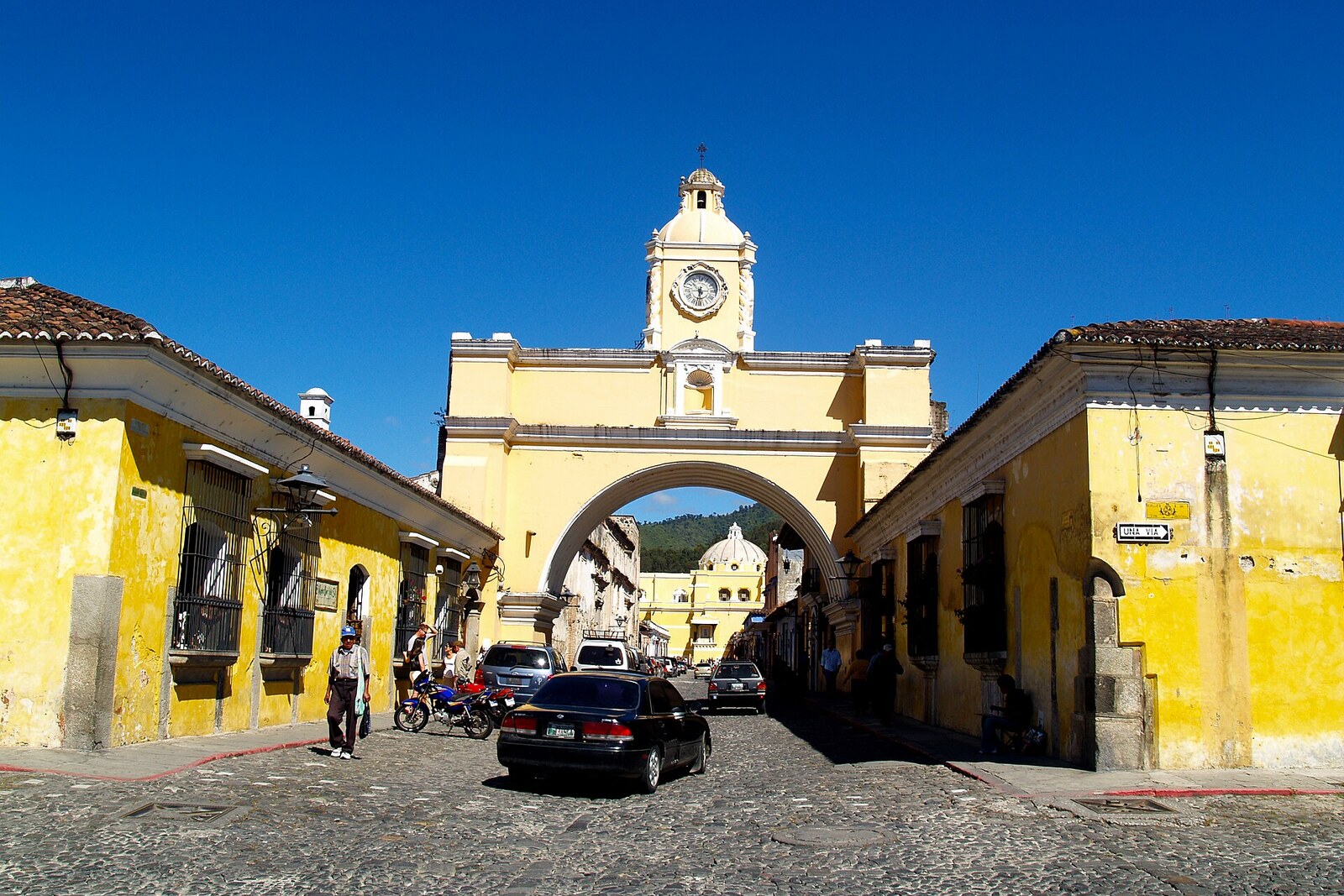
Look around first
What to notice
- Arch above the street
- Enclosed corridor
- Clock tower
The story of the place
In the summer of sixteen ninety-three, Ana de la Natividad, the abbess—that is, the head of Santa Catalina Convent—sent a petition to the city council. She sought permission to build an enclosed passage over the street. On the opposite side, the convent planned to establish a school for novices, but Ana could not take the women there through the city.
The convent grew out of a community of four nuns who came here in sixteen oh nine. Just two decades later, fifty-two nuns and about as many novices lived in the convent. The families of the girls in their care paid for food, a year of novitiate, and a convent dowry: this money made up part of the convent's support, and every new girl required a cell and a place at the table.
The nuns lived in enclosure—a strict seclusion. They were forbidden to go out into the street or communicate with outsiders. A few steps between the two convent buildings would have violated the rule around which their whole lives were organized.
At first, the community wanted to close the street. The city council refused: the road led from La Merced Church to the main square and had to remain open. Ana de la Natividad then proposed raising the convent route above the city street. On August twenty-first, the council authorized construction on one precise condition: the supports had to stand inside the convent grounds, without occupying the roadway.
Work began in December, and in June of sixteen ninety-four the nuns completed the covered passage. They moved above the street while remaining unseen; townspeople continued along the old route beneath them. Three years later, the convent already counted one hundred ten nuns.
Santa Catalina is the Spanish name of Saint Catherine of Alexandria, whom Christian tradition venerates as a virgin and martyr. The convent was dedicated to her, and the arch took its name from the convent whose two sections it connected.
After the earthquakes of seventeen seventy-three, the community left the damaged convent, and the passage stood empty. The little clock tower appeared much later. Ana de la Natividad's decision left behind an enclosed corridor about three meters wide, with sloping passageways leading to the former second floors. The street that the council refused to give to the convent still passes beneath the nuns' route.
Useful on site
The street passage is accessible at all times; the interior spaces of the former convent are not included in the route.
Checked: date not specified. Check the official source before visiting.The interior passage is connected to private spaces; do not try to enter it without separate permission.