 Guide On Map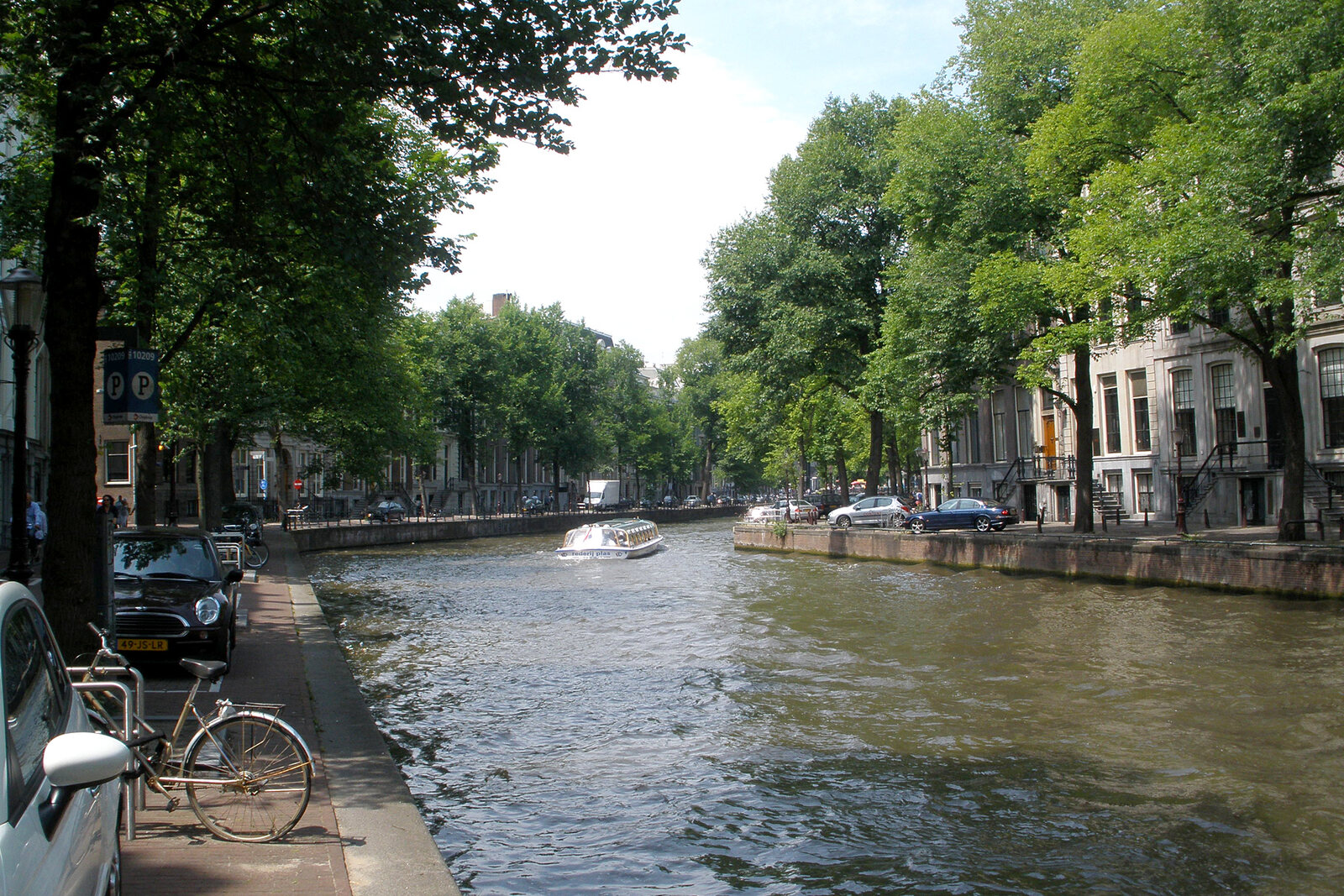
Look around first
What to notice
- The sandstone facade of house 507
- Corinthian pilasters
- Triangular pediment
- Double stoop
The story of the place
The bend of Herengracht by the Amstel was dubbed the Golden Bend, where the wealthiest Amsterdam residents settled on new plots. They were allowed to buy two adjacent lots, so the houses here came out twice as wide as usual, with deep courtyards and gardens. The sandstone facade of house five hundred seven still rests on a seventeenth-century base: Corinthian pilasters and a triangular pediment frame it, while a later-remodeled double stoop leads to the entrance.
On January thirty-first, sixteen ninety-six, a crowd tore out a lamp post in front of the house at Herengracht five hundred seven and used it to strike the front door. Inside lay the sick Jacob Boreel—a burgomaster, one of Amsterdam's four city leaders, who was pushing for a new funeral system.
Until then, funerals had been arranged by private organizers, known as aansprekers. They announced deaths, invited people to the ceremony, and were paid by the deceased's family. Boreel and the city council decided to replace them with appointed officials and levy a tax on burials. The aansprekers risked being left without an income. They spread a rumor that poor people would now be buried without any dignity, as though they were throwing out garbage.
The rumor reached a city where work was becoming scarcer and taxes more numerous. People suspected that the new paid positions would go to acquaintances of the city leaders. Within a few days, the funeral organizers' dispute turned into a riot, and its participants came here specifically: Boreel was considered the author of the hated decision.
Neighbors managed to get him out through the back door. The crowd broke through the entrance, smashed the furnishings, took valuables, and threw furniture and household utensils into the canal. The city guard opened fire. After the revolt was suppressed, forty-eight people were arrested, twenty-two received sentences, and twelve were hanged. Boreel survived, but the city council never did introduce the tax that had started it all.
His house stood in the most expensive part of the newly expanded Amsterdam. From sixteen sixty-two onward, Herengracht was extended toward the Amstel, and plots on this bend were set aside for the wealthiest buyers. Here, they were allowed to buy two adjacent lots, so houses appeared that were twice as wide as usual, with deep courtyards and gardens. The residents' enormous fortunes gave the area its name, the Golden Bend.
At house five hundred seven, the seventeenth-century base of the sandstone facade has survived: Corinthian pilasters and a triangular pediment. The entrance surround and the double stoop were remodeled later. The water of Herengracht in front of this facade was once filled by a crowd with the belongings of a burgomaster who wanted to collect a city tax from other people's funerals.
Useful on site
The waterfront and bridges are accessible as public space, around the clock.
Checked: June 28, 2026. Check the official source before visiting.The best overall view opens up from across the water: choose a spot where you can compare several houses at once, without occupying the edge of the roadway or the bike lane.