 Guide On Map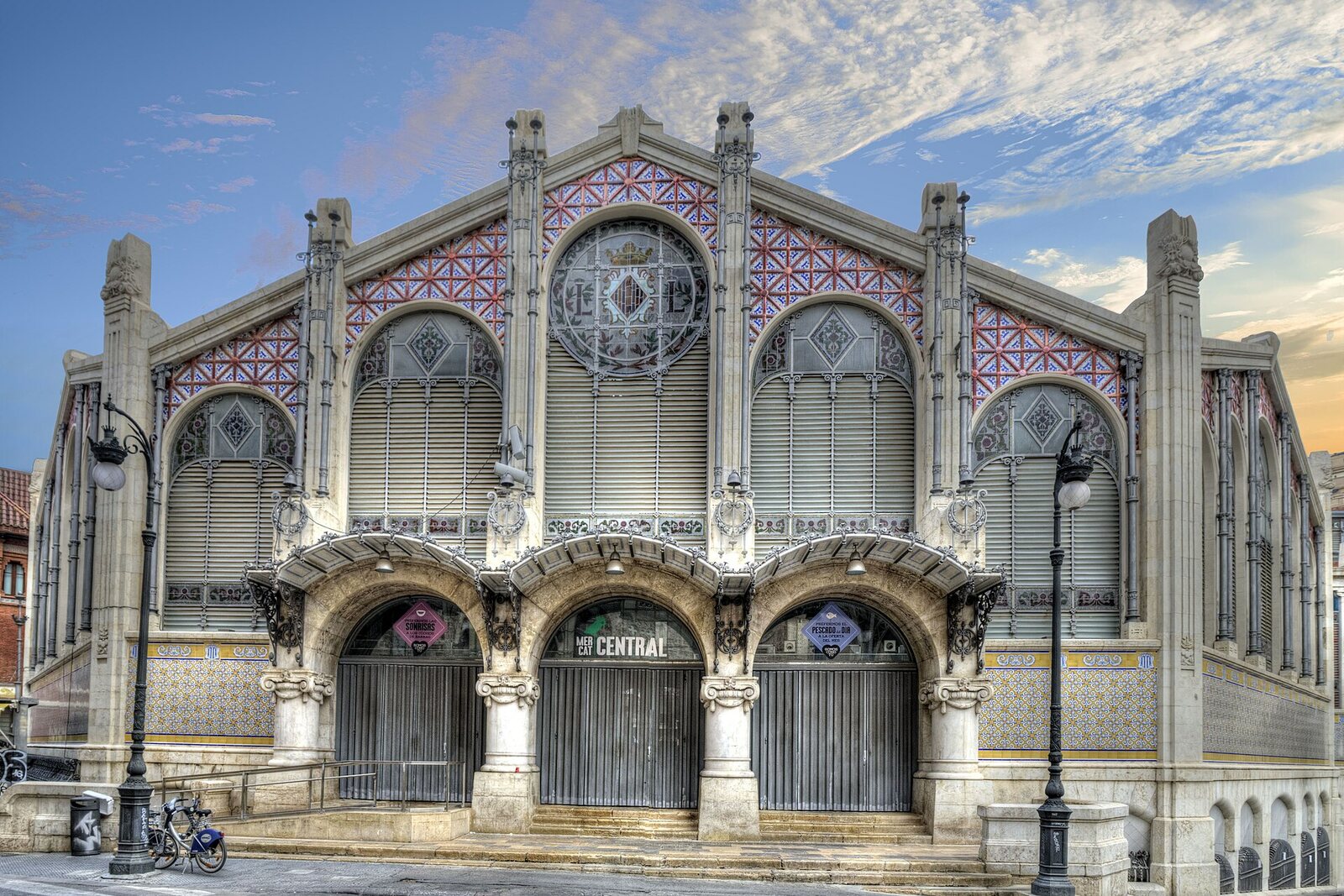
Look around first
What to notice
- Iron-and-glass domes
- Market counters
- Fish pavilion
- Ceramic facade panels
The story of the place
Beneath the iron-and-glass domes are separate shops selling vegetables, meat, sausages, and fish; a special pavilion was arranged here for fish. Before this, open market rows stood on the square, then the cramped New Market crowded the shoppers. The current building opened on January twenty-third, nineteen twenty-eight. Purchases from several shops can now be combined into one order, sent in a refrigerated vehicle, or left in a refrigerated storage room beneath the market.
The Central Market’s main arrangement is hidden behind the counters. The building belongs to the city, while the sellers themselves handle day-to-day matters: they hire security guards and cleaners, maintain the premises, and organize deliveries. This arrangement arose when the sellers realized they could lose customers along with their income.
By the mid-eighties, city residents were increasingly buying food in supermarkets and hypermarkets. Sales beneath the market domes were falling, while the old management had remained unchanged for years. Vicenta Lloris Vicaría, a thirty-five-year-old sausage seller and the new chair of the Central Market Sellers Association, campaigned for self-management. She was continuing the family business and lived from the very trade she intended to reshape: a mistake would have affected her own counter as well.
On November twelfth, nineteen eighty-six, the sellers voted. Of four hundred fifteen participants, three hundred sixty-nine supported the agreement. The municipality retained the building, the right to allocate market stalls, and oversight, but daily expenses and decisions passed to the sellers’ association. From January first, nineteen eighty-seven, they themselves were responsible for the condition in which the market would open in the morning and for what would happen to a purchase after payment at the counter.
First, the association introduced continuous cleaning, daytime security, and night watchmen. Then card payments, delivery, and a refrigerated storage room appeared. In October nineteen ninety-six, the sellers launched online sales with home delivery—at the time, this system was among the first at Spanish markets. Two years later, the Central Market received a national award for the organization of trade, and Lloris accepted it as she was completing her twelve-year chairmanship.
The current building opened on January twenty-third, nineteen twenty-eight, on a square where open market rows had stood before it, along with the cramped New Market of eighteen thirty-nine. Vegetables, meat, sausages, and fish are still sold here, for which separate rows and a fish pavilion were built. But purchases from several independent shops can now be combined into one order, sent in a refrigerated vehicle, or left in the refrigerated storage room in the basement. Behind this service stands the same sellers’ association to which Lloris entrusted her own sausage counter.
Useful on site
Mercado Central is usually open Monday through Saturday 07:30–15:00 and closed on Sundays and holidays; individual stalls may follow different schedules.
Checked: June 27, 2026. Check the official source before visiting.It is best to come while the market is open: do not obstruct queues, ask permission before filming sellers, and do not touch the products. Outside opening hours, view the architecture from the square.