 Guide On Map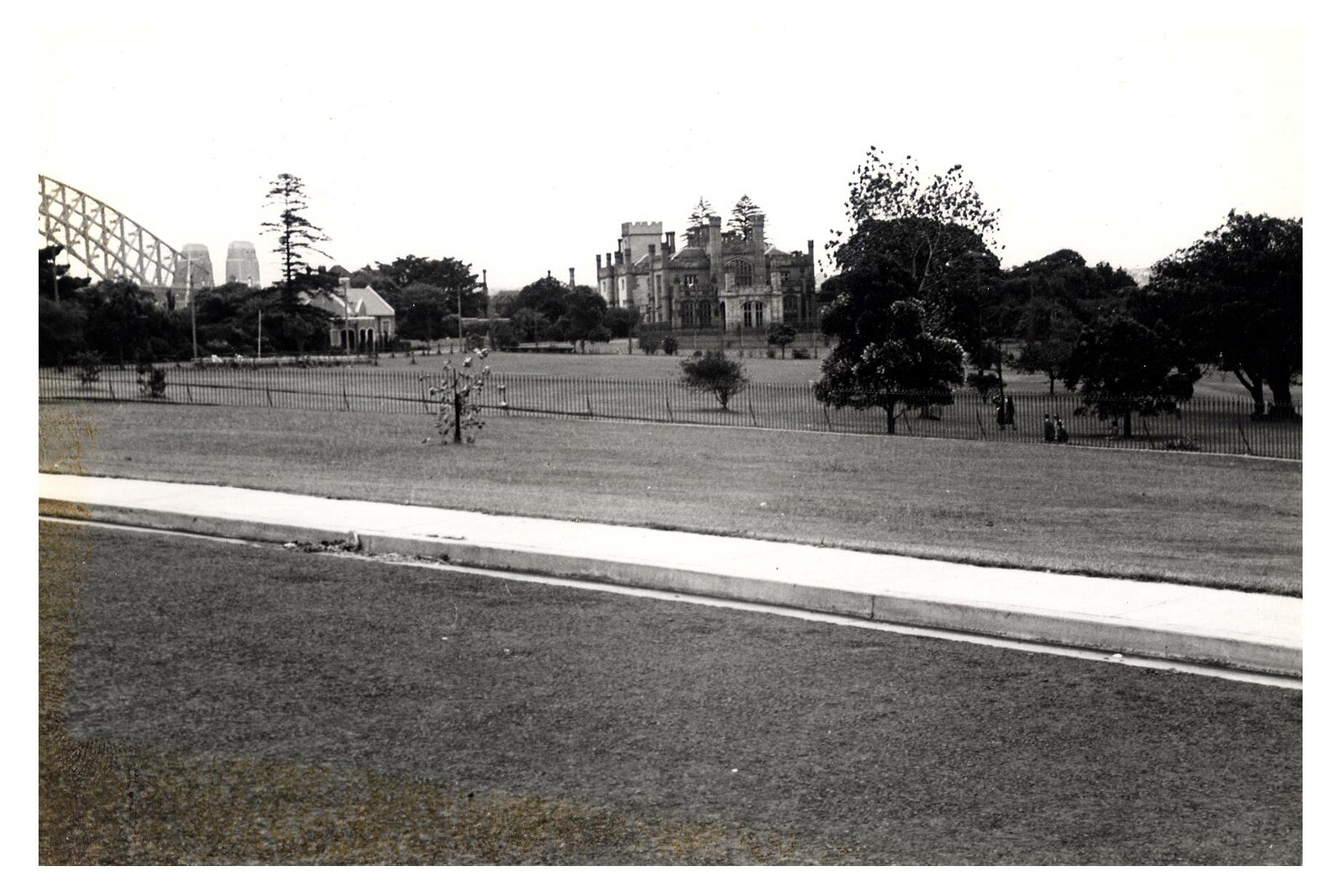
Look around first
What to notice
- Main facade
- Main entrance
- State Room
- Residence garden
The story of the place
On the evening of May thirteenth, nineteen thirty-two, a short letter was sent from this house. Philip Game, Governor of New South Wales and representative of the British King, informed Jack Lang, head of the state's elected government, that he would no longer keep Lang's ministers in office. Lang was dismissed by letter: there was no conversation with the governor in the State Room.
They disagreed over money that, during the Great Depression, was in short supply for both debtors and creditors. New South Wales owed interest to overseas holders of government bonds. Lang sought a postponement of these payments in order to preserve funds for pensions, benefits, and state services. The Commonwealth Government paid the creditors on his behalf, then passed a law allowing it to take New South Wales revenue toward the debt. The High Court of Australia found the law valid.
Lang responded with an order that turned the financial dispute into the daily work of thousands of people. State employees were instructed not to deposit collected revenue in banks, to accept payments in cash, and to deliver the money directly to the Treasury. That way, federal officials could not reach the funds through bank accounts. The Treasury began making payments in cash; its employees delivered money so that teachers, police officers, and other public servants would receive their salaries. Some Treasury workers were armed for these trips.
Game decided that the premier was forcing public servants to break federal law. First, he demanded that the order be withdrawn. Lang refused: the Cabinet believed that without this money, it would not be able to sustain the state's essential services. Lang still had fifty-five supporters among the ninety members of the lower house. He had not lost a vote in Parliament and had not resigned.
Game then used the governor's reserve power—the rare right to act without the premier's advice during a constitutional crisis. In his final letter, he repeated the demand to withdraw the order or surrender ministerial authority. Lang refused again. After five in the evening, notice of his dismissal left from here. The governor's secretary contacted Bertram Stevens, leader of the parliamentary opposition, who intended to restore payments to the Commonwealth Government. Stevens came to Government House, Sydney and, at about six o'clock, took the oath as the new premier.
Parliament was then dissolved and an election was called. On June eleventh, Stevens's coalition won by a wide margin; the number of Lang's supporters in the lower house fell to twenty-four. He remained active in politics for many years, but he never became premier again.
The house was completed in eighteen forty-five as the official residence and workplace of the Governor of New South Wales. That is where its name comes from. Receptions and ceremonies are held here, but this is also where the governor appoints the premier, approves ministers, and presides over the Executive Council, which gives Cabinet decisions legal force. New premiers and ministers still come to this house to take the oath.
Useful on site
Access to the grounds and interiors may change because of official events. View the building only from permitted areas; plan an interior tour separately.