 Guide On Map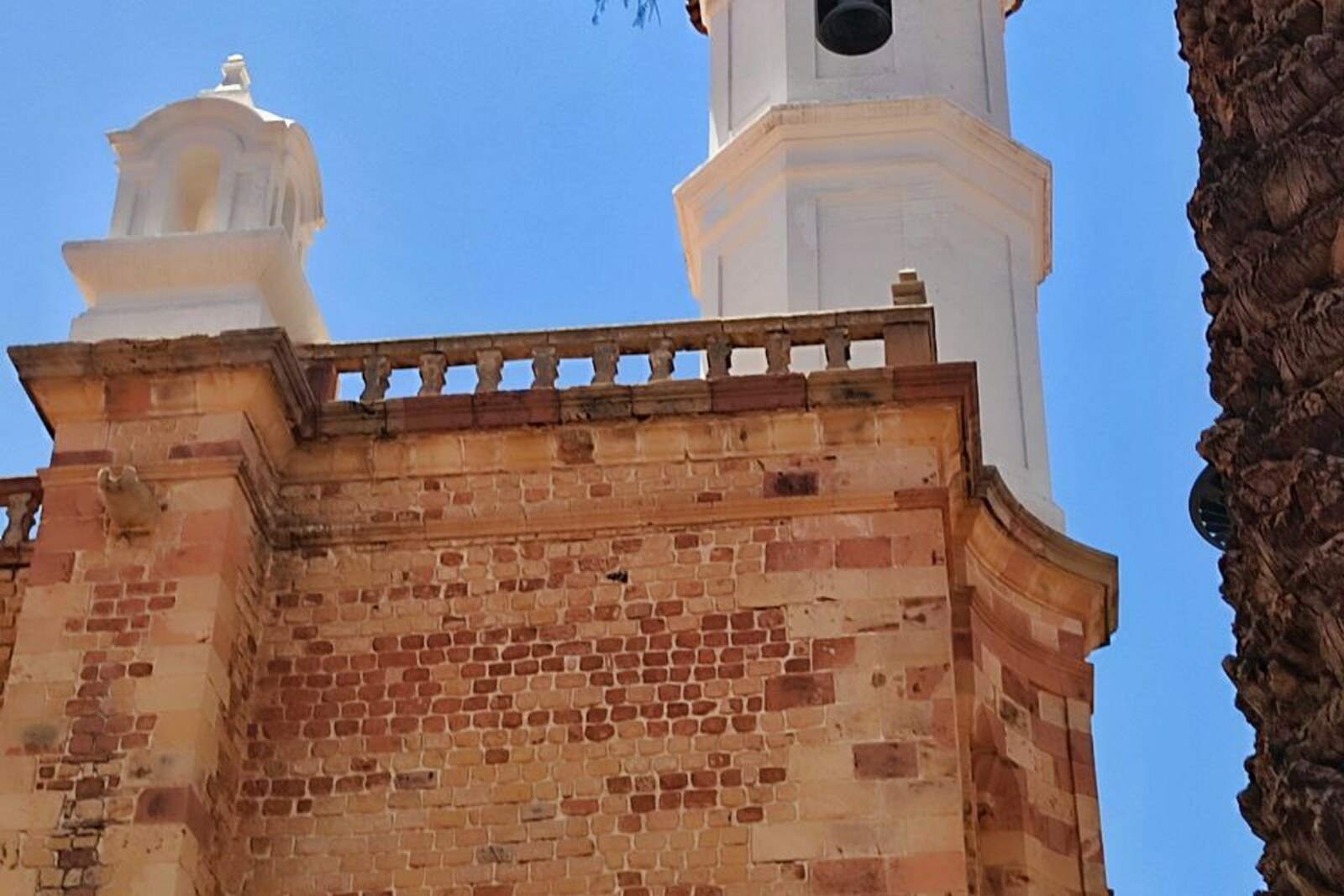
Look around first
What to notice
- The altar
- The cloister
- The entrance to the crypt
- School rooms
The story of the place
San Felipe Neri is usually called a monastery, although its first inhabitants were not monks. Oratorians lived here—priests who gathered laypeople for prayer, conversation, and confession. The society took its name from Philip Neri, a Florentine priest of the sixteenth century who founded the first Oratory in Rome. In seventeen ninety-four, Archbishop José Antonio de San Alberto established such a community in La Plata, paid for the first priests to come from Lima, and then for the construction of this church and cloister.
The purpose of the Oratory itself explains why Ramón García de León y Pizarro, the former president of the Royal Audiencia of Charcas, came here. After he was removed in May eighteen oh nine, he did not leave the city. Six years later, as military detachments were once again changing the local government, Pizarro sought seclusion at San Felipe. For more than seven months, he lived among the Oratorians, confessed regularly, and received Communion. A man who had once governed the entire region now depended on whether he would be allowed to remain in the church house.
On December fourth, eighteen fifteen, Pizarro was taken from here while ill. The events are known from a statement by his son Rafael, who sought recognition from the city council of how his father had been treated. According to him, soldiers dragged Pizarro from his bed and locked him in the stable of the former presidential residence by Plaza Mayor—the very building where he had once worked for more than twelve years. They informed him of his exile and prepared him for the journey on foot, without bedding or servants.
Pizarro's release, Rafael claimed, cost Pizarro two thousand pesos and an expensive sword. Pizarro no longer had enough cash, so he made up most of the sum in jewelry. After paying, he returned to San Felipe. Less than two full days later, he was found dead by the altar where he had prayed during his seven-month refuge.
His son linked the death to the arrest and humiliation; this is family testimony written in defense of the deceased. A separate document confirms what followed: on December seventh, an Oratory attendant entered in the burial register that the former president's body had been placed in the local underground burial vault.
The María Auxiliadora School for girls now holds classes in the cloister, the church receives worshippers, and some of the rooms are opened as a museum. García de León y Pizarro's grave remains beneath them: from the altar where he was found on December sixth, his body was moved only to the crypt of the same San Felipe Neri.
Useful on site
Mon–Sat 14:30–17:30 according to the local tourism portal; entry is arranged through the operating María Auxiliadora School and may change.
Checked: June 24, 2026. Check the official source before visiting.Entry inside is connected with an operating school, so plan your visit and climb to the terrace separately. Do not try to pass through the school rooms without permission.