 Guide On Map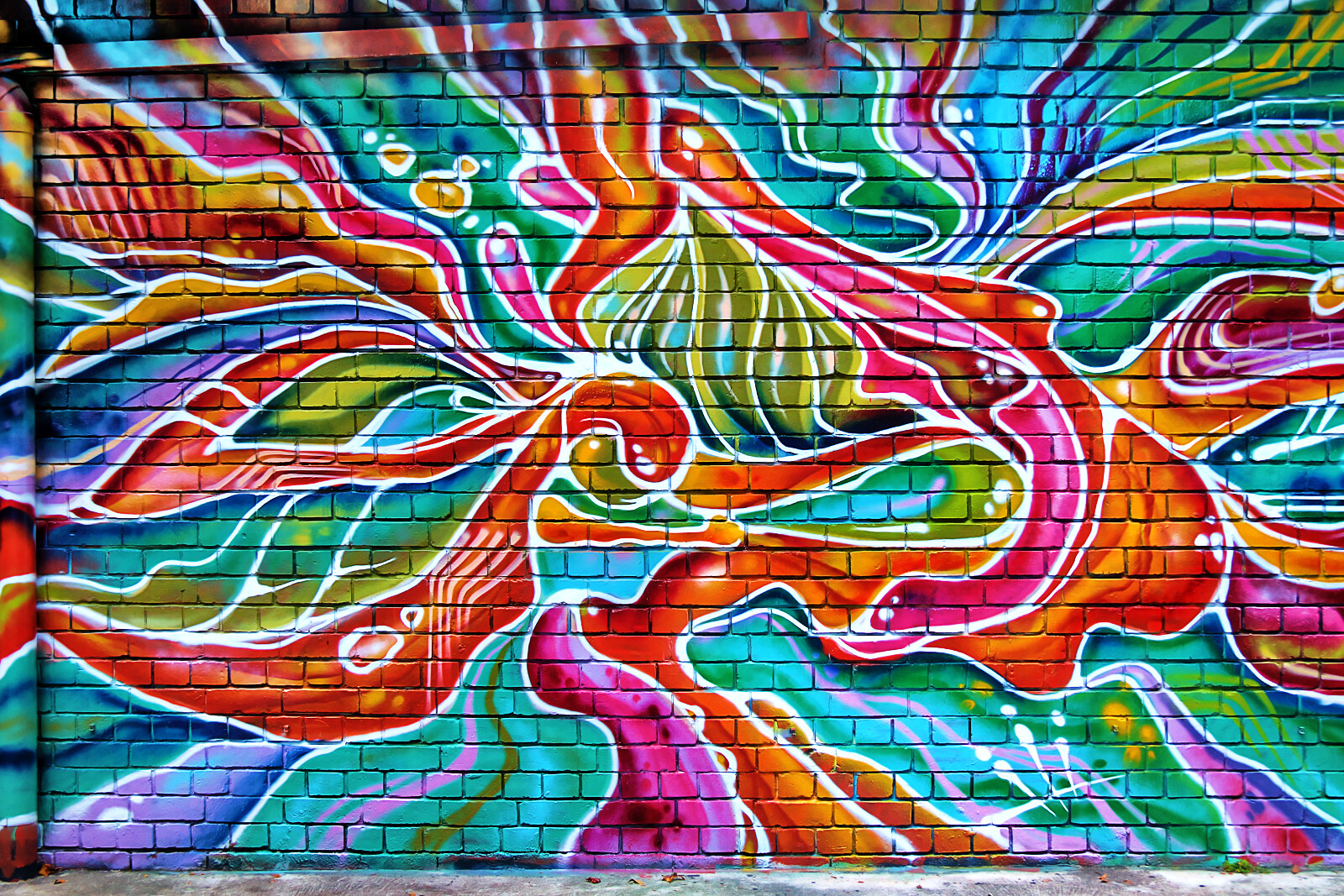
Look around first
What to notice
- Metal noise barriers
- Surviving murals
- Codes with information about the artists
- Joints between removable panels
The story of the place
In graffiti, a hall of fame refers to walls set aside for artists, where murals are officially permitted. Along Bali Lane, the pictures are held on metal panels: the joints make it clear that this enclosure is assembled from separate parts. Each work was given its own place and its composition was agreed upon, while codes with names and information about the artists were left nearby. Under the paint, there is still construction metal designed to muffle noise.
When construction of the North-South Corridor began along Ophir Road, the contractor enclosed the site with five-meter metal noise barriers. Two solid sections with a combined length of nearly two hundred forty meters faced Bali Lane and Ophir Road. Construction affected the entrances and facades of the businesses here.
Aileen Tan was among those risking their own income: she owned Blu Jaz Cafe on Bali Lane and was also secretary of the local business owners' association. Tan proposed giving the noise barriers to artists. To do this, the association reached an agreement with the Land Transport Authority, the Urban Redevelopment Authority, the Singapore Tourism Board, and the construction contractor.
Seventeen Singaporean artists received sections of wall. The different concepts had to be combined into a shared plan and approved by the project partners. Traffic could not be disrupted during the day, so the artists worked at night. On April twenty-eighth, twenty twenty-one, the construction enclosure opened as Southeast Asia's first official graffiti hall of fame.
In the graffiti community, a “hall of fame” refers to several walls where painting is permitted. The word “fame” here refers to the artists in the first lineup—among them were both recognized masters and emerging artists. A free wall did not mean a surface for just any random tag: participants were invited, places were assigned, and compositions were agreed upon. Codes with information about the artists were installed beside the works—the small Singaporean community received, for the first time, an official venue of this scale and its own names on the street.
Tan got her way: instead of an unbroken metal fence, there was now a reason to walk along the entire construction site. But the lifespan of the murals remained tied to construction. As work progressed, some panels had already been removed. The surviving images are still painted directly onto the noise barriers; behind the paint is the same construction metal for which Aileen Tan brought together seventeen artists.
Useful on site
An open street wall visible from the public sidewalk. Daylight is better for details; there is a busy road and a construction boundary nearby.
Checked: July 1, 2026. Check the official source before visiting.View the works from the safe side of the barrier and be mindful of nearby traffic; the current images may differ from the original ones.