 Guide On Map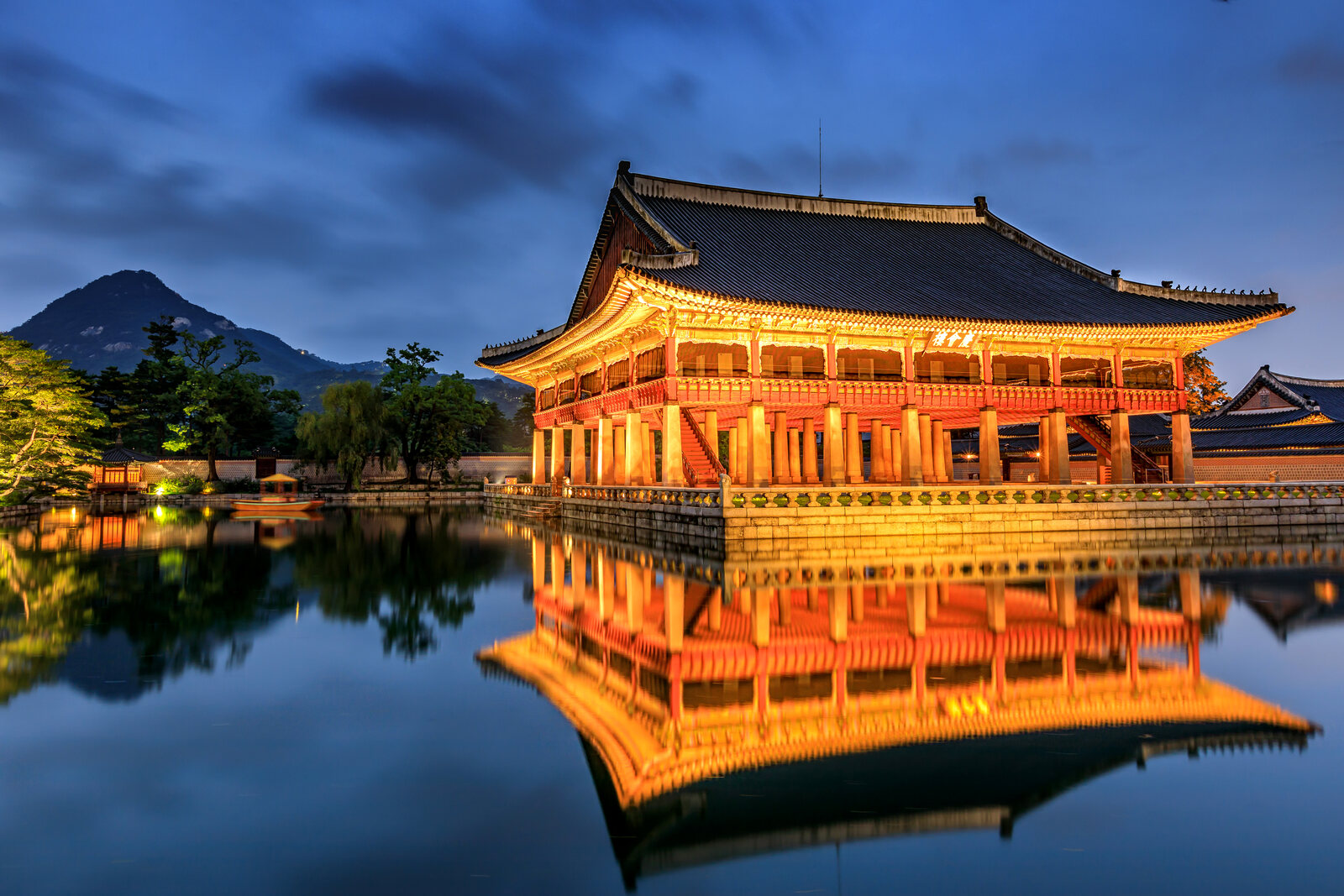
Look around first
What to notice
- Pond
- Artificial island
- Gyeonghoeru Pavilion
The story of the place
According to a later account, Park Paeng-nyeon came to the pond by Gyeonghoeru Pavilion to drown himself. This scholar-official had served Danjong and, after the throne was handed over to Sejo, did not want to outlive the sovereign to whom he had sworn allegiance.
Gyeonghoeru means “Pavilion of Joyous Meeting.” It was meant for a meeting between the sovereign and worthy officials: state banquets were held on the artificial island, foreign envoys were received, and ceremonies and military tests were conducted. Entry was possible only by the king’s invitation. Park belonged to the narrow court circle for whom this pond was part of the working palace, not a landscape beyond the fence.
At the water, Seong Sam-mun stopped him—the very keeper of the state seal who had handed it over to Sejo and now wanted to restore Danjong to the throne. Seong persuaded his companion not to waste his life on suicide, but to wait for a chance to act. Several decades later, this scene was recorded by the writer Nam Hyo-on, a supporter of the slain ministers. He was two years old at the time of the events, so the conversation by the pond is a tradition preserved by their followers, not an eyewitness record.
Park left the water and continued in service. Sejo appointed Danjong’s former scholars to high posts, trying to bind them to the new court. Park received a post as provincial governor, and Seong served as royal secretary. They received their stipends from Sejo; their court posts gave them access to the people they intended to kill.
In fourteen fifty-six, the conspirators chose a reception for envoys from the Chinese empire of the Ming dynasty, in another palace, Changdeokgung Palace. Their military accomplices were to carry swords beside Sejo and his heir, kill them both, and restore Danjong. On the day of the reception, the sword-bearers were unexpectedly removed from the ceremony, and the heir fell ill and did not appear. Park and Seong postponed the attack. One of the participants became frightened and told everything to his father-in-law, who immediately reported it to the king.
Park Paeng-nyeon died in prison after torture. Seong Sam-mun was executed. Along with Park, his father, younger brother, and three sons were executed; the only one to continue the family was a grandson who had not yet been born at the time of the massacre. Danjong was stripped of his former status and exiled, and after the next attempt to restore him to the throne, he was killed.
The pavilion beside which Park intended to enter the water no longer exists: it burned during the Japanese invasion of fifteen ninety-two. The present Gyeonghoeru Pavilion was built in eighteen sixty-seven. It was this pond that the author of Biography of the Six Martyred Ministers called the place where Park Paeng-nyeon gave up immediate death for a conspiracy that destroyed almost his entire family.
Useful on site
Under Gyeongbokgung Palace hours: November–February 09:00-17:00, March–May and September–October 09:00-18:00, June–August 09:00-18:30; last entry one hour before closing, closed on Tuesdays.
Checked: June 28, 2026. Check the official source before visiting.The main view is accessible from the shore, while visits to the pavilion itself may be regulated separately—do not count on entering without checking in advance. Stay behind the barriers by the water.