 Guide On Map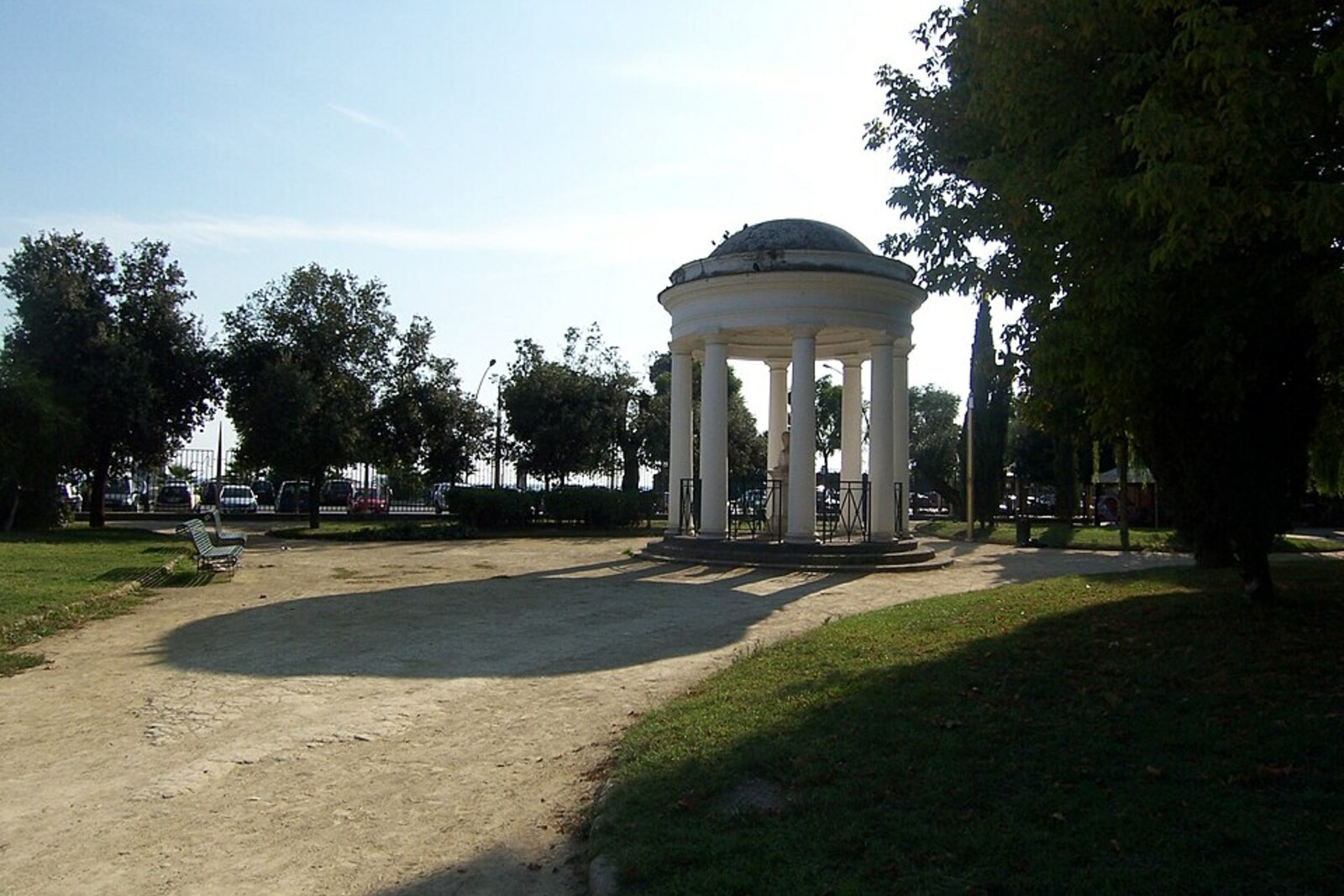
Look around first
What to notice
- Avenues of Villa Comunale
- Facade of the Zoological Station
- Entrance to the historic aquarium
The story of the place
At the edge of Villa Comunale, the seafront facade is occupied by a marine research station with a historic aquarium. When the garden was still royal, a strip of beach adjoined it here, where living inhabitants of the bay were collected for work. Inside are laboratories, a library, and an aquarium that still displays the flora and fauna of the Mediterranean Sea. Ticket-buying visitors helped support the place, while visiting researchers received a worktable for a year, equipment, books, animals, and staff assistance.
The building by the sea is the Anton Dohrn Zoological Station, with its historic aquarium. By eighteen seventy, Dohrn had invested here the sum he had received from his father against a future inheritance, before he had secured a final agreement for the land. The thirty-year-old German zoologist wanted to establish a permanent laboratory here for visiting scientists. His father offered him the secure career of director of Hamburg Zoo; Dohrn chose a building project that could consume all his money.
His experience of working on the Mediterranean Sea showed him how difficult it was to study marine animals in rented rooms without equipment or a library: a researcher depended even on what fishermen could manage to deliver. In Naples, a bay rich in species and a large public came together. Villa Comunale is a city garden; at the time it was called Villa Reale, a royal promenade garden. Along its edge lay a strip of beach: living material could be obtained from there, while local residents out for a walk and visitors could buy tickets to the aquarium.
In eighteen seventy, Dohrn proposed an arrangement to the municipality: the city would provide a plot free of charge, and he would build, at his own expense, a zoological station with a laboratory, library, and public aquarium. Work began in March eighteen seventy-two under preliminary permits. By the following autumn, the building was ready, although the agreement with the city was not signed until December eighteen seventy-five.
By then, the risk had become quite tangible. Dohrn had built the structure higher than the approved design allowed, and the municipality could have demanded its demolition. The officials preserved the building for its public benefit, but entered an important condition: the station belongs to the city. The man who had paid for it out of his own pocket could use it only for marine research and an aquarium open to the public.
The aquarium began admitting visitors on January twenty-sixth, eighteen seventy-four. Dohrn hoped that admission fees would cover at least the salary of a permanent assistant and part of the laboratory's expenses. For scientists, he devised another source of income: universities, scientific institutions, and states rented a worktable for a year. Along with the table, the researcher received equipment, marine animals, books, and staff assistance, while choosing the subject independently.
Local residents and biologists became participants in one arrangement. Some paid to see the inhabitants of the bay behind glass; others studied these animals in the same building and brought their own research questions. Dohrn secured support from different countries and directed the station until the end of his life.
His name now appears in the name of the Anton Dohrn Zoological Station. In the historic aquarium, opened in eighteen seventy-four, the flora and fauna of the Mediterranean Sea are still displayed today, while marine research continues beyond its walls.
Useful on site
Villa Comunale: 07:00-22:00 from November to April; 07:00-24:00 from May to October, according to Comune di Napoli. Check the Aquarium separately.
Checked: date not specified. Check the official source before visiting.You can walk through the park without visiting the Aquarium; treat going inside as a separate visit and check the conditions in advance on the official resource.