 Guide On Map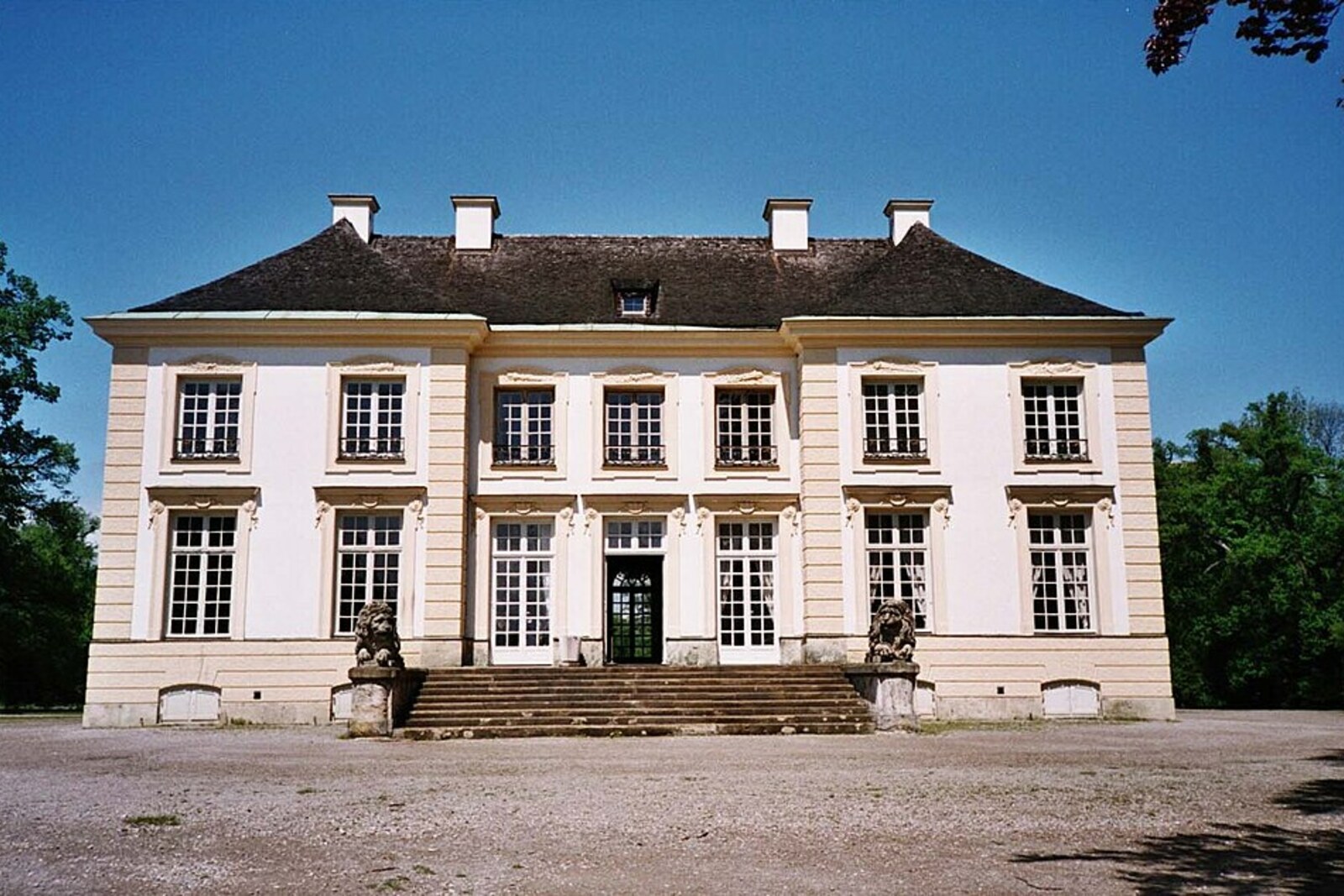
Look around first
What to notice
- The empty pool
- Gilded dolphin heads
- Marble benches
- The gallery above the pool
The story of the place
The empty pool occupies almost the entire lower hall of Badenburg. It held about eighty thousand liters of water; the water was heated in the basement and supplied through gilded dolphin heads. A gallery runs above the pool. Max Emanuel, the Elector of Bavaria, needed this arrangement because he wanted to restore his family’s lost standing.
In the War of the Spanish Succession, Max Emanuel sided against the emperor and lost. Bavaria was occupied by the victors, and the elector himself lost his possessions and spent eleven years abroad, mainly in France. There he became acquainted with the court bathing chambers of Louis XIV. Bathing there served as a medical treatment, a reception, and a spectacle for selected guests.
In seventeen fifteen, Max Emanuel returned to Bavaria as elector, restored to his position. Three years later, he commissioned a separate bathing palace in Nymphenburg Park. That is where the name comes from: Badenburg means “bathing castle.” Inside, the owner’s private rooms, a ceremonial hall, a kitchen, baths, and a huge pool were combined. A hidden staircase led from the elector’s apartments, the ruler’s rooms, down to the water.
This pool was intended chiefly for therapeutic walking. Max Emanuel could descend into the water, walk along the bottom, and sit on a marble bench. Its size and depth also made swimming possible. Courtiers remained in the gallery and probably entertained the elector with conversation and music. Bathing took place before spectators, but only a narrow circle was admitted here.
On August sixth, seventeen twenty-two, Max Emanuel opened the completed Badenburg with a dinner and festive illumination. The occasion was the twenty-fifth birthday of his heir, Charles Albert. The father often used the rooms below, while the son received his own apartments above them. On the opening day, the guests did not bathe: first, the pavilion was shown as a new palace hall, and only later did small groups take therapeutic baths here.
The water was drained from the pool long ago. What remain are the lined basin, marble benches, dolphin faucets, and the gallery: the elector descended from here to the water, while the people he invited stood one floor above.
Useful on site
Badenburg is open from 1 April to 15 October daily 9:00–18:00; closed in winter. Last entry and ticket sales are 30 minutes before closing. The building is accessible only by a few steps.
Checked: June 29, 2026. Check the official source before visiting.The pavilion’s main story is inside: from outside, the hidden furnaces, bathing rooms, and warm-water supply system cannot be read. If entry is unavailable, look at the building’s connection with the lake and imagine the technical floor beneath the ceremonial rooms.