 Guide On Map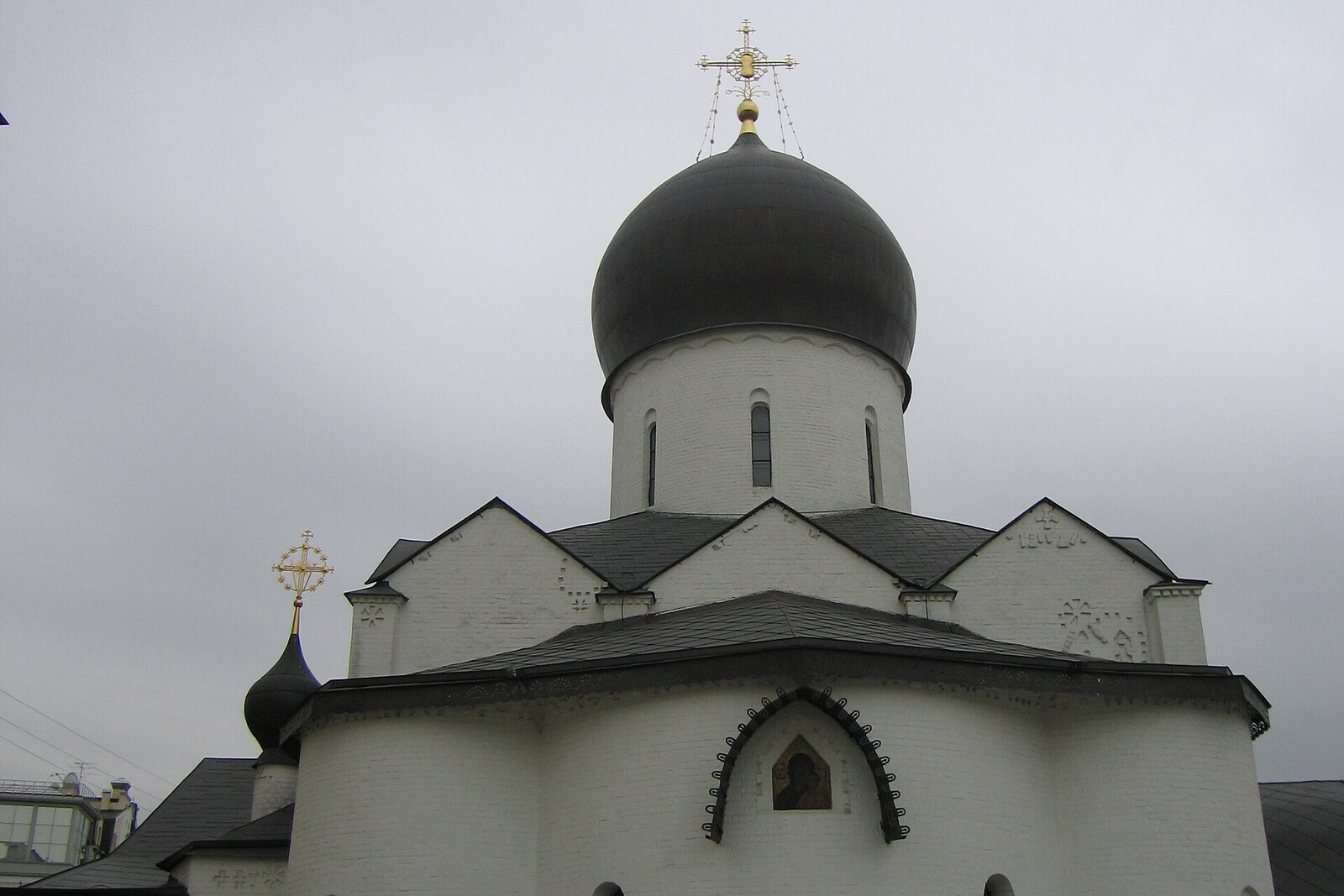
Look around first
What to notice
- White fence and gates
- Intercession Cathedral
- House museum
- Garden between the buildings
The story of the place
Intercession Cathedral, the garden, and several old buildings form a small courtyard behind the white fence on Bolshaya Ordynka Street. There were places for worship, receiving patients and dispensing medicines, a dining room, a school, a library, and rooms for the women living at the convent. Their promises were accepted only for a fixed term, so after their service they could leave and start a family. The founder’s house is now a museum, while the other buildings continue to help children with disabilities, lonely elderly people, and families without money.
In the evening, Grand Duchess Elizaveta Fyodorovna made rounds of the hospital wards and often finished after midnight. If a seriously ill patient grew worse, the abbess stayed at the bedside until dawn. During the day, she assisted doctors in operations and changed dressings. To do this work, she first had to establish an institution that Moscow did not yet have.
Widowed in nineteen oh five, Elizaveta Fyodorovna decided to leave court life. She returned jewelry belonging to the imperial family to the treasury, gave some possessions to relatives, and sold her own property. With this money, the Grand Duchess bought an estate with four houses and a garden on Bolshaya Ordynka Street. One building housed a free hospital, a house church, a pharmacy, and an outpatient clinic for walk-in patients. In the others, a dining room for the poor, a shelter and a school for girls, a library, and living quarters for the sisters were opened.
The convent began operating in February nineteen oh nine. Elizaveta Fyodorovna sought women ready to pray together and care for the sick, but she did not want to make them nuns. The sisters promised to live without personal property, remain chaste, and obey the rule, but they made these promises for a fixed term. Afterwards, a woman could leave the convent and marry. Moscow doctors taught the sisters the basics of medicine, while operations and medicines were free for poor patients.
Elizaveta Fyodorovna took the name for this arrangement from the Gospel story of Lazar’s sisters. Marfa received Christ in her home and busied herself with the meal. Mariya sat at his feet and listened. The founder gave both of them a place in the daily routine: the day began with prayer, then the sisters went out to the hospital, pharmacy, shelter, or to Moscow addresses of people in need. The house church was consecrated in the names of Marfa and Mariya; the convent itself and the new type of sisterhood were also given their names.
Elizaveta Fyodorovna tested the order she had devised on herself. She moved here, slept on a wooden bed without a mattress, assigned work in the morning, received petitioners, worked at the clinic during the day, and returned to the wards in the evening. By nineteen eighteen, the number of sisters had grown to one hundred five. The women gained the opportunity to combine religious life with professional care for patients, while the sick could receive treatment on an estate that had previously been occupied by one wealthy family.
The historic buildings behind the fence have survived. The house where Elizaveta Fyodorovna lived is now open as her museum. A convent for women operates here, but Sisters of Mercy serve alongside the nuns. In the convent’s buildings, they help children with disabilities and orphans, support lonely elderly people and families left without money; services are held in Intercession Cathedral.
Useful on site
House museum: Tuesday–Sunday 11:00–17:00 only by advance appointment; Monday — closed. Churches and grounds — according to the current convent and worship schedule.
Checked: June 24, 2026. Check the official source before visiting.Keep quiet on the grounds and take the active religious life into account; check and book the house museum and organized visits separately