 Guide On Map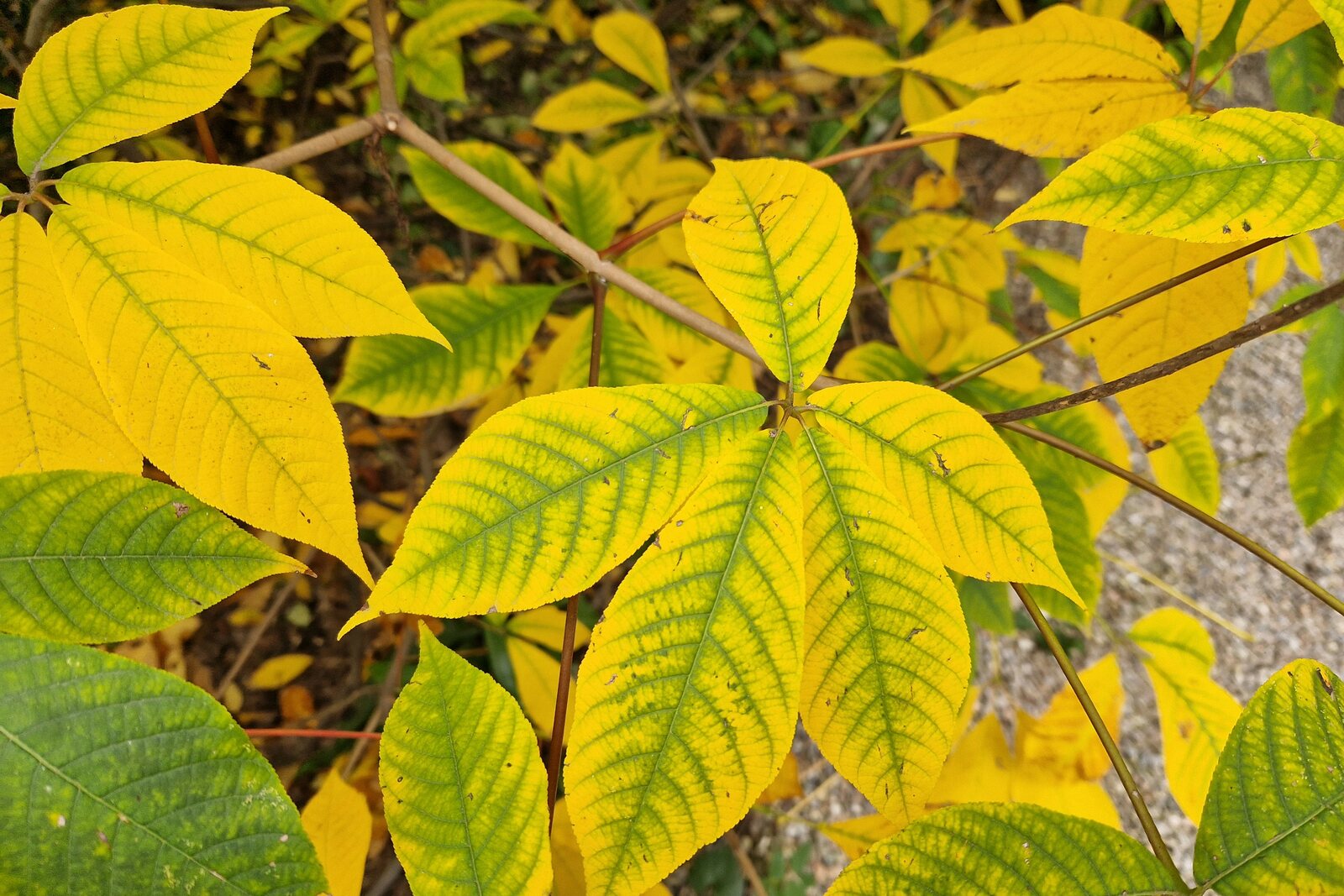
Look around first
What to notice
- Three sectors of the garden
- Two elliptical ponds
- Beds of medicinal plants
- Two ginkgo trees
The story of the place
Behind Brera Palace, a small botanical garden survives, with three planting areas divided by two oval ponds. It once grew vegetables and fruit for the Jesuit house, and people walked along its paths. Later, the garden was set aside for the training of future doctors and pharmacists, who needed to observe living plants in different seasons. The nearer section contains plants for medicine, cooking, and dyeing fabrics, while deeper in the garden grow ginkgo trees of both sexes.
In the spring of seventeen seventy-five, Fulgenzio Vitman ordered the trees in Brera’s former Jesuit garden to be uprooted and the entire plot dug over. A few months later, nothing but bare earth remained here. One eyewitness wrote to his brother that even a sheep would starve to death in such a garden, and asked: why begin enlightenment with destruction?
Vitman, a Catholic monk and botany teacher, wanted future doctors and pharmacists to learn from living plants. Until then, the professional guild of Milan’s pharmacists had overseen their training: an apprentice joined a master, worked at his shop, and then the same guild decided whether he could enter the profession. The new chair was meant to replace this training with a systematic course.
Vitman needed the job himself as well. He was teaching in Pavia when he learned that another botanist was to be invited in his place. Vitman asked Carlo Firmian, the Austrian minister in Milan, to find him a new position. In July seventeen seventy-four, he received a chair in Brera and moved here.
The plot became available because of a major reshaping of the Church. The year before, the pope had dissolved the Society of Jesus, and its Milanese palace and garden passed to the Austrian administration. Maria Theresa intended to house a public library, classrooms, and scientific institutions in Brera. The Jesuits had grown vegetables and fruit behind the palace and used the paths for walks. Vitman needed a teaching garden where plants could be compared, classified, and shown to students at different stages of growth.
Firmian hoped to manage with almost no expense. After inspecting the site, Vitman demanded sifted soil, irrigation, rooms for wintering three thousand pots, and heated greenhouses. The officials approved only part of the work. During Vitman’s time, a proper warm space for tropical plants never appeared.
They economized on the teacher himself as well. Vitman was given a furnished room in the palace: his community had no monastery in Milan. His annual salary was one thousand two hundred lire, while Brera’s other teachers earned about two thousand on average. He asked for an increase to cover his living expenses, did not receive it, and fell into debt. To settle those debts, Vitman sold the state forty volumes of his own herbarium, part of a collection he had assembled over thirty years. It contained about six thousand species, including rare American plants; the botanist added in watercolor the parts that could not be dried. The purchased volumes were sent not here, but to Pavia. The surviving sheets of this herbarium are still kept outside Brera.
For the garden, Vitman chose another way to add to the collection. He sent seeds to Turin, Pavia, Florence, and Parma, asking in return for what Milan did not have. Through diplomats, he ordered plants from Vienna, Zurich, and the Netherlands. The seeds sent to him were sometimes spoiled or incorrectly labeled, but the exchanges gradually filled the empty beds. In the very first summer, seventy-two people attended classes—noticeably more than the organizers of the course had expected. By seventeen ninety-eight, medicinal plants for doctors and pharmacists were growing in the garden, and nine hundred fifty pots of exotic species stood in a sheltered room.
The current layout repeats the arrangement created under Vitman: three sectors are divided by two elliptical ponds. In the first sectors, the university still collects medicinal, food, and dye plants. In the far sector grow two ginkgo trees, one male and one female. They were planted here around seventeen eighty—under the very teacher who had first been given bare ground, an inexpensive room, and a salary that did not cover his expenses.
Useful on site
This is a teaching garden, so stay on the paths and do not touch the plants; check whether entry is available on site or in advance.