 Guide On Map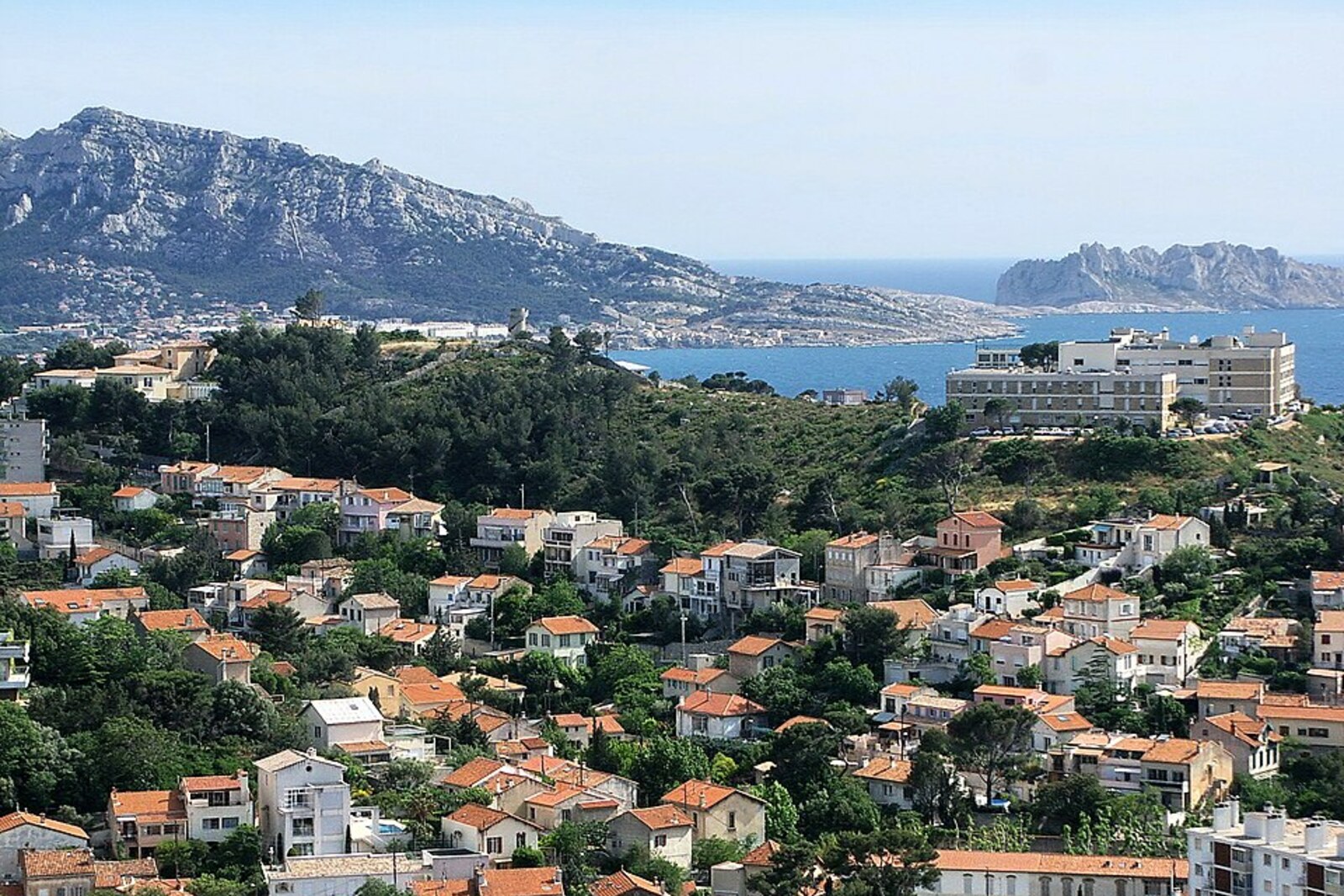
Look around first
What to notice
- Three-masted ship on the gable
- Cement branches
- Fence
- Garden rocaille
The story of the place
Villa Costa has survived on the slope of Roucas-Blanc. In eighteen eighty-two, the Costa couple bought a plot here, and two years later they began building a country house. Mr. Costa was an acconier—a port entrepreneur who hired dockworkers and was responsible for receiving, storing, loading, and unloading goods. His income depended on other people's vessels and cargoes moving between the hold and the Marseille quay.
A few years later, the couple invited the Gagliardone family, rocailleurs who had come from Italy. This was the name for craftsmen who used spatulas and chisels to turn raw cement into imitation rocks, branches, tree bark, and plants. The Gagliardones covered the garden-facing façades with decoration and created terraces, pools, and cascades. On the main gable, they depicted a three-masted vessel under full sail, Fort Saint-Jean, and palm trees—a sign of colonial trade. Costa ordered the source of his wealth to be displayed on the house: port cargoes.
The district's name refers to real rock. The Provençal word “roucas” means a large rock or rocky outcrop, and “blanc” means white. At first, the name referred to a small outcrop of pale limestone; then it became the name of the whole slope. The houses had to be set on different levels of the rock, hence the stairways, retaining walls, and narrow passages between the plots.
Villa Costa gradually fell into disrepair until new owners began restoring it in nineteen eighty. Only isolated fragments remain of the pools and cascades, but the cement façades have retained some of their original color. In two thousand fifteen, the house, its fence, and the surviving garden rocaille were granted protected status. On the white limestone slope, the Gagliardones' artificial rocks and the ship of Costa, the port contractor, remain.
Useful on site
Open around the clock; this is a residential district with private homes and gardens.
Checked: date not specified. Check the official source before visiting.Most of the homes and gardens here are private. View the architecture from the street, and do not try to seek access to the villas or the spring.