 Guide On Map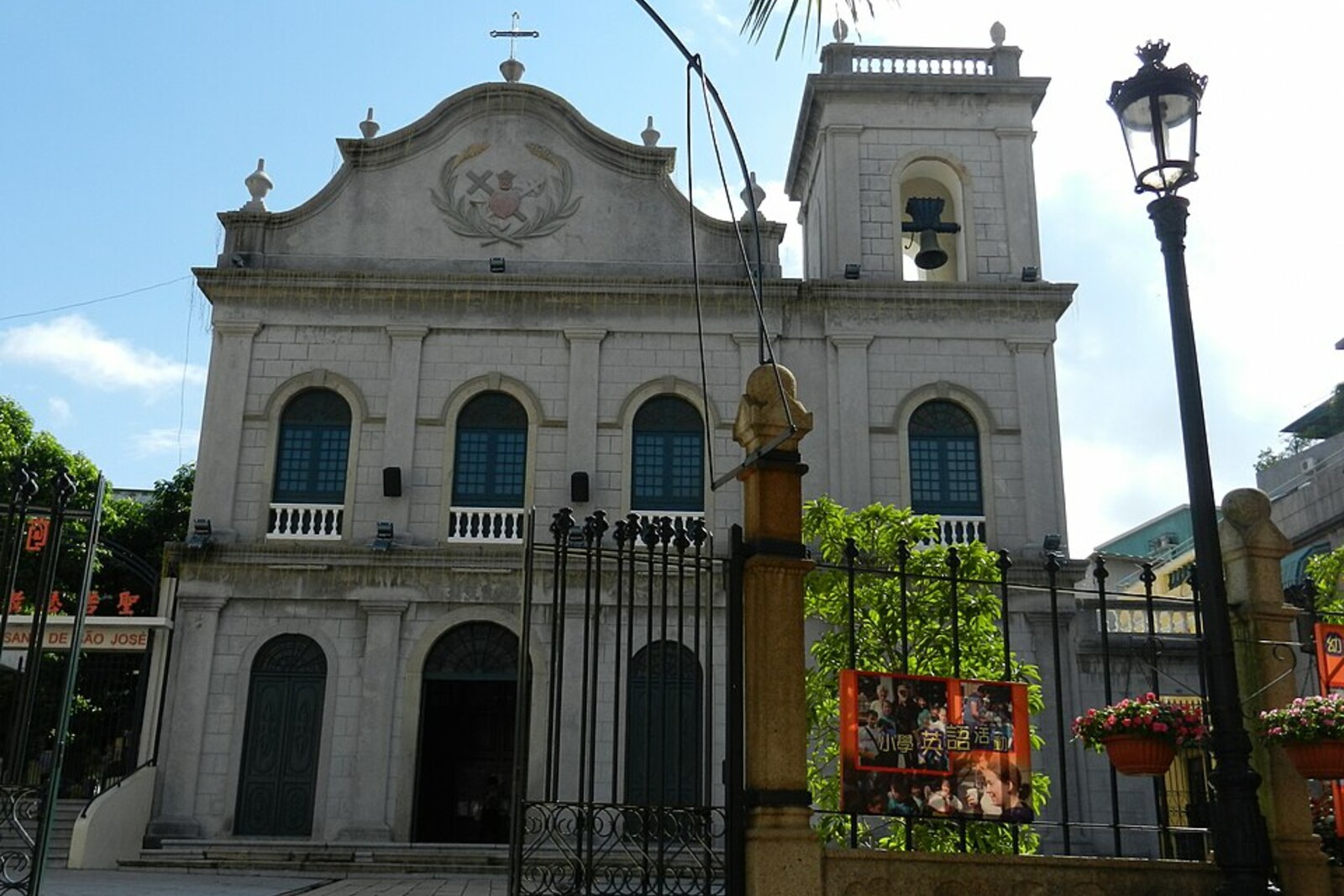
Look around first
What to notice
- Stone facade
- Churchyard
The story of the place
St. Lazarus Church received its name because of the hospital that stood behind it. People with leprosy lived there, soldiers kept guard outside, and the patients received a monthly ration. This is how old Chinese chronicles described this courtyard.
There are two men named Lazarus in the Gospels. For medieval shelters, the beggar from the parable was especially important: covered in sores, he lay at a rich man's gate and hoped for scraps from his table. Christian tradition made Lazarus the patron of people with leprosy, and their hospitals came to be called lazarettos.
The Macao shelter appeared after the arrival of Belchior Carneiro, a Jesuit bishop tasked with organizing the Catholic mission in China and Japan. He arrived in May fifteen sixty-eight. At that time, a diagnosis deprived a person of work, a home, and a place among healthy people; without alms or a fixed ration, a sick person had nothing to live on.
Carneiro collected donations, opened a hospital that admitted Christians and non-Christians, and established the Macao Holy House of Mercy to help the poor. For people with leprosy, he arranged a separate shelter, later moved to the Chapel of Our Lady of Hope. Written accounts report that the bishop cared for the patients himself. At a time when an armed guard was posted outside, Carneiro went inside.
Because of the shelter, the chapel came to be called St. Lazarus Church. When the pope established the Diocese of Macao in fifteen seventy-six, the first episcopal seat of its bishop was placed here. It made for an inconvenient proximity: the diocese's main church stood beside an isolated hospital beyond the main settlement. The bishop's seat was therefore moved to a new cathedral, and from the seventeenth century the church became the center of the Chinese Catholic community.
The patients were taken away from here in the late nineteenth century, and the leprosarium buildings were dismantled. The church acquired its current stone appearance after the rebuilding of eighteen eighty-six. There are no longer wards or a soldiers' guard behind it; their former address is now marked by the name of the active church and the name of the entire St. Lazarus District.
Useful on site
Usually open in the morning and after the daytime break; check the parish schedule before entering.
Checked: date not specified. Check the official source before visiting.The church is active: enter quietly, choose a place to the side, and do not examine the interior during a service. If access is limited, the main details of the ending can be seen in the courtyard and from the street.