 Guide On Map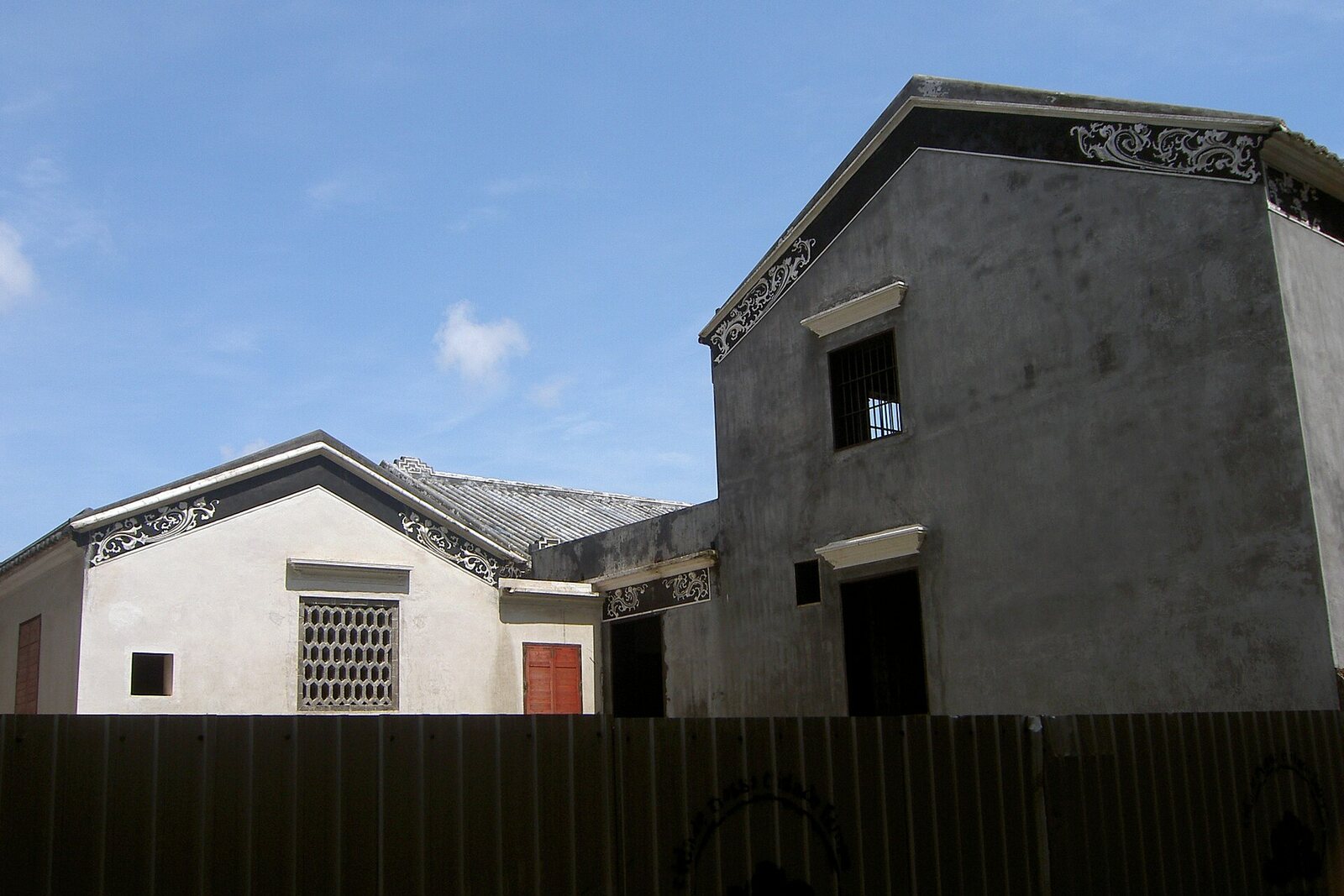
Look around first
What to notice
- Inner courtyards
- Garden pavilion
- Pages from the book
- Zheng Guanying's letters
The story of the place
On its Chinese plaque, this complex is called Zheng Family House. Its European name—Mandarin's House—refers to its best-known owner, Zheng Guanying. Europeans called the officials of imperial China mandarins. Zheng served the state, managed major enterprises, and attained a high official rank.
His family lived in Macau for several generations. His father, Zheng Wenrui, began building the residence around eighteen sixty-nine, and his sons later expanded it. The result was a house for a large family, with courtyards, service rooms, and more than sixty rooms.
Zheng Guanying himself came to an official career through trade. At sixteen, he failed the imperial examination and left for Shanghai. There Zheng became a compradore—a Chinese intermediary for a foreign company who found partners, arranged supplies, and vouched for deals with his reputation. For almost twenty years, he worked with British trading houses, a steamship company, telegraphy, and textile enterprises. Zheng earned money through this work and wanted, from this experience, to understand why foreign companies were displacing Chinese ones.
One recommendation backfired on him. Yang Guixuan, the chief Chinese intermediary for Butterfield & Swire, left a debt of forty thousand taels of silver. Zheng had once recommended Yang to his employers, and the firm held Zheng accountable. He was detained in Hong Kong. In letters, he asked acquaintances to raise money to settle the case. Once the payments were made, the claim was dropped, but the business reputation on which he had lived no longer protected him.
In eighteen eighty-six, Zheng returned to this family house and declined a new appointment. He spent the next five years mostly here, revising his earlier articles. The trade intermediary wrote about what he had tested with his own money: purchasing foreign cannons alone was not enough if the country did not develop industry, schools, laws, and its own trading companies.
In eighteen ninety-four, the work was published under the title Words of Warning in an Age of Prosperity. The book reached the Guangxu Emperor, who ordered two thousand copies printed for ministers. Zheng did not enter state service through an examination; yet the text written in his Macau house made its way into the imperial offices.
A permanent exhibition on Zheng Guanying is now open inside. It displays pages from the book, his letters, and a family photograph from the eighteen nineties. In the picture, Zheng sits in the front row before a garden pavilion. The pavilion captured in that photograph still stands in this courtyard.
Useful on site
Usually 10:00–18:00, last entry 17:30; open on Mondays, Tuesdays, Thursdays, Fridays, Saturdays, Sundays, and public holidays; closed Wednesdays.
Checked: June 30, 2026. Check the official source before visiting.For this stop, the interior is especially important, but entry depends on actual access. Do not rush inside, and observe any photography restrictions posted on site.