 Guide On Map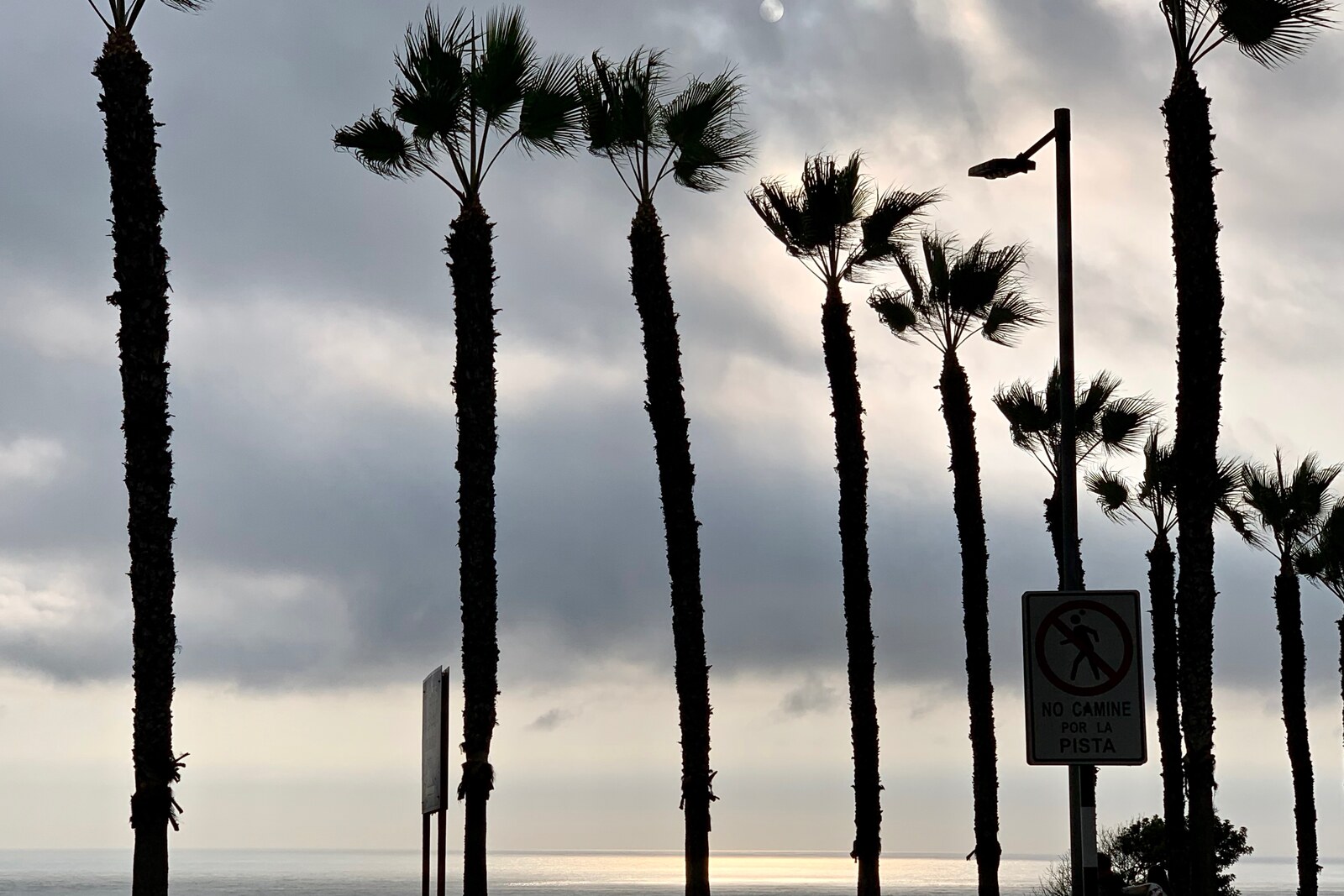
Look around first
What to notice
- Coastal cliff
- Street signs reading “Malecón de la Reserva”
- Line of parks
- Pacific Ocean
The story of the place
Malecón de la Reserva runs along the top of the cliff from Villena Bridge to Bajada Armendáriz. The word “reserve” here means a military reserve: the civilian battalions that defended Lima in the Battle of Miraflores. The waterfront was laid out later, when residential neighborhoods appeared where there had been fields and country estates, but it was named in honor of the people who fought on what was then the edge of the city.
On January fifteenth, eighteen eighty-one, the western end of the Peruvian defenses ran into this cliff. Two days earlier, the Chilean army had defeated the first line south of Lima and reached the capital. Right by the shore, artillery officer José Ernesto Díez commanded a battery that had to fire in two directions at once: at troops on land and at ships in the ocean.
Díez had ninety-six men left for the battle. Only thirty-eight of them had previously served at this battery; the rest were sent from field artillery on the day of the battle. The commander turned two heavy guns against the advancing units, and another two against the ironclads and a gunboat. By four o’clock, additional gunboats had approached from the sea. The gun crews on the cliff found themselves under crossfire.
By five o’clock, the artillerymen had used up the last prepared gunpowder cartridge. Two kegs of gunpowder still remained, but there was nothing with which to load the guns: not even cloth could be found to sew the bags for the charges. After receiving news that the other positions were retreating, Díez ordered the guns to be disabled, set the gunpowder alight, and led his men into Lima. Two days later, Chilean units occupied the capital.
Behind the coastal battery, closer to land, stood the first redoubt with Battalion Number Two of the Reserve Army. It was commanded by Manuel Lecca, a merchant and head of an association of the capital’s traders, who had been entrusted with holding the approach to Lima. Most of his soldiers also made their living through trade. Six months before the battle, men from sixteen to sixty were required to set aside part of their working day for drill training; teachers, civil servants, artisans, and merchants were assigned to battalions according to their occupations.
Nothing remains of the battery, the ditch, or the sandbag walls. Historians can identify only the general stretch by the cliff, while the exact location of the guns remains unknown. The battalions also disappeared after the defeat. Their trace runs along today’s parks in a single line on street signs: Malecón de la Reserva.
Useful on site
Open waterfront; temporary restrictions are possible on sections of the bike path and repair work.
Checked: June 29, 2026. Check the official source before visiting.Do not go down the slope or approach damaged edges. If a section is fenced off because of work or the risk of collapse, return to the official passage.