 Guide On Map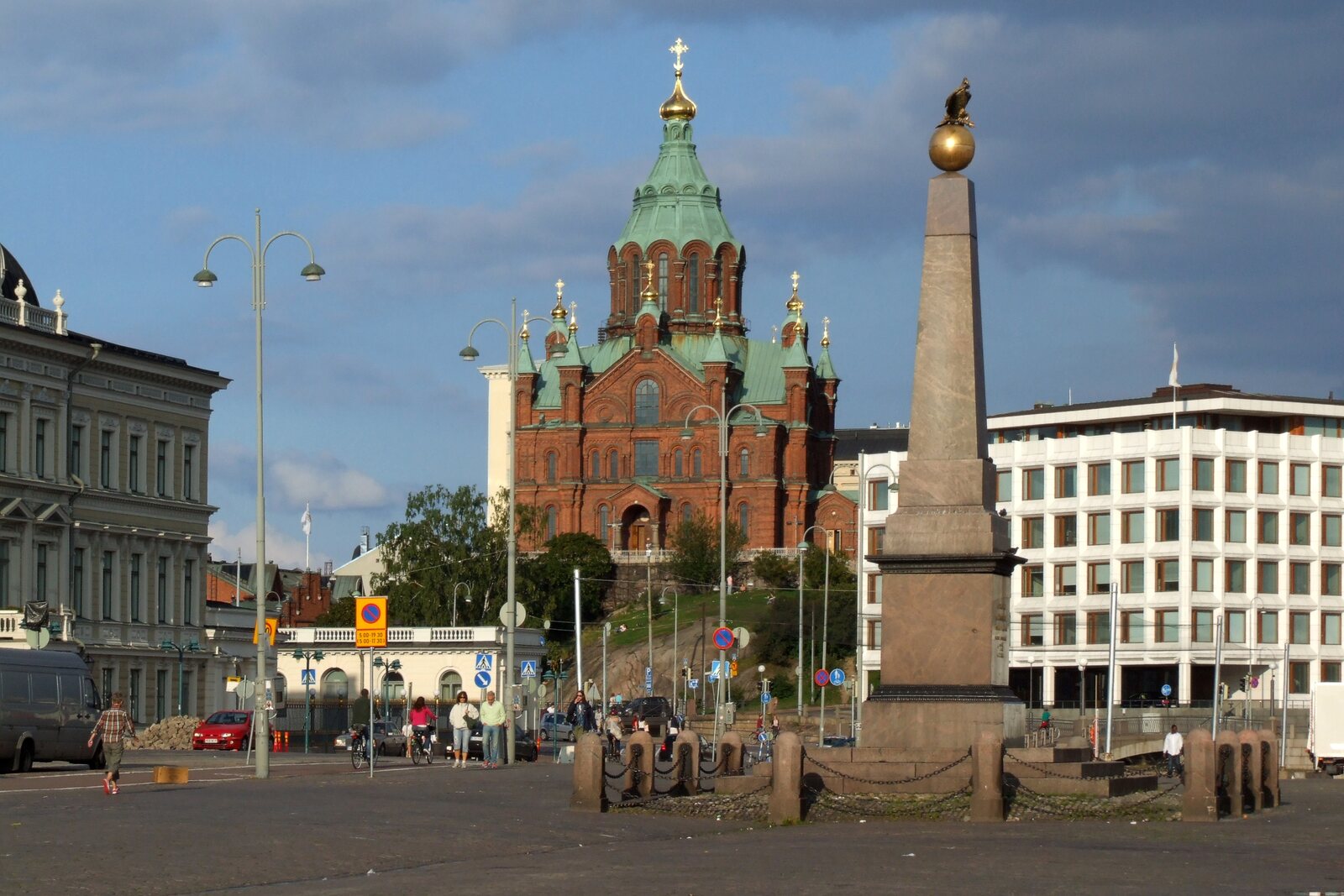
Look around first
What to notice
- Stone quay
- Market rows
- Piers
- Fishing vessels
The story of the place
The Finnish name “Market Square” translates literally as Market Square. The market rows occupy the stone quay here, and at the beginning of October they extend right down to the water: fishermen moor their vessels at the piers and sell Baltic herring from them. This is how trade was conducted here even before the square existed.
In the eighteenth century, shallow water lay where the present paving is now. Fishermen from the coast and the islands pulled up to wooden piers and handed over their catch directly from their boats. The city’s main trade took place beside the town hall, in the square that later became Senate Square.
After the war and occupation of Helsinki, the fairs ceased for a time. In seventeen forty-three, a royal decree once again designated a winter and autumn market for the city. For the autumn fair, fishermen came by sea from the coast, the Åland Islands, and even Estonia. They brought salted fish to receive money for their catch, while city residents stocked up on food before the time when muddy roads already hindered deliveries and the ice still could not support people and horses. For the sellers themselves, late sailing was dangerous too: storms began, and the first ice appeared.
When Helsinki was rebuilt as a new capital, those leading the work assigned the former Town Hall Square to the administrative center. From eighteen thirteen, workers restored the burned piers, filled in the shallowed part of the bay, and created harbors for sailing vessels, fishing boats, and connections with Suomenlinna Fortress. In eighteen eighteen, the food trade was moved from the future Senate Square here, to the shore. Fishermen continued selling from boats, while peasants laid out their goods on tables.
In eighteen fifty-nine, rural residents were allowed to trade anywhere. The obligation to travel to the city fair disappeared, yet sellers continued coming here: a large number of buyers in one place made it possible to compare prices and sell off a large stock. By the end of the century, between fifteen and twenty thousand barrels of salted Baltic herring were sold during the autumn week.
In eighteen ninety-one, the city council decided to close the noisy general fair with horses and all kinds of goods. An exception was made for fishermen: their trade fed island residents and supplied city dwellers with fish. From the following year, only salted fish was permitted for sale at the autumn fair. The large seasonal market became the Baltic Herring Market.
In the nineteen fifties, there were fewer buyers. In the nineteen seventies, traders in the square revived the fading tradition. Now, at the beginning of October, fishermen once again moor their vessels along the stone edge of Market Square and hand fish directly to buyers from on board.
Useful on site
The number of sellers and vessels varies, so do not tie this stop to operating stalls. It may be windy by the water; watch for traffic near the piers.