 Guide On Map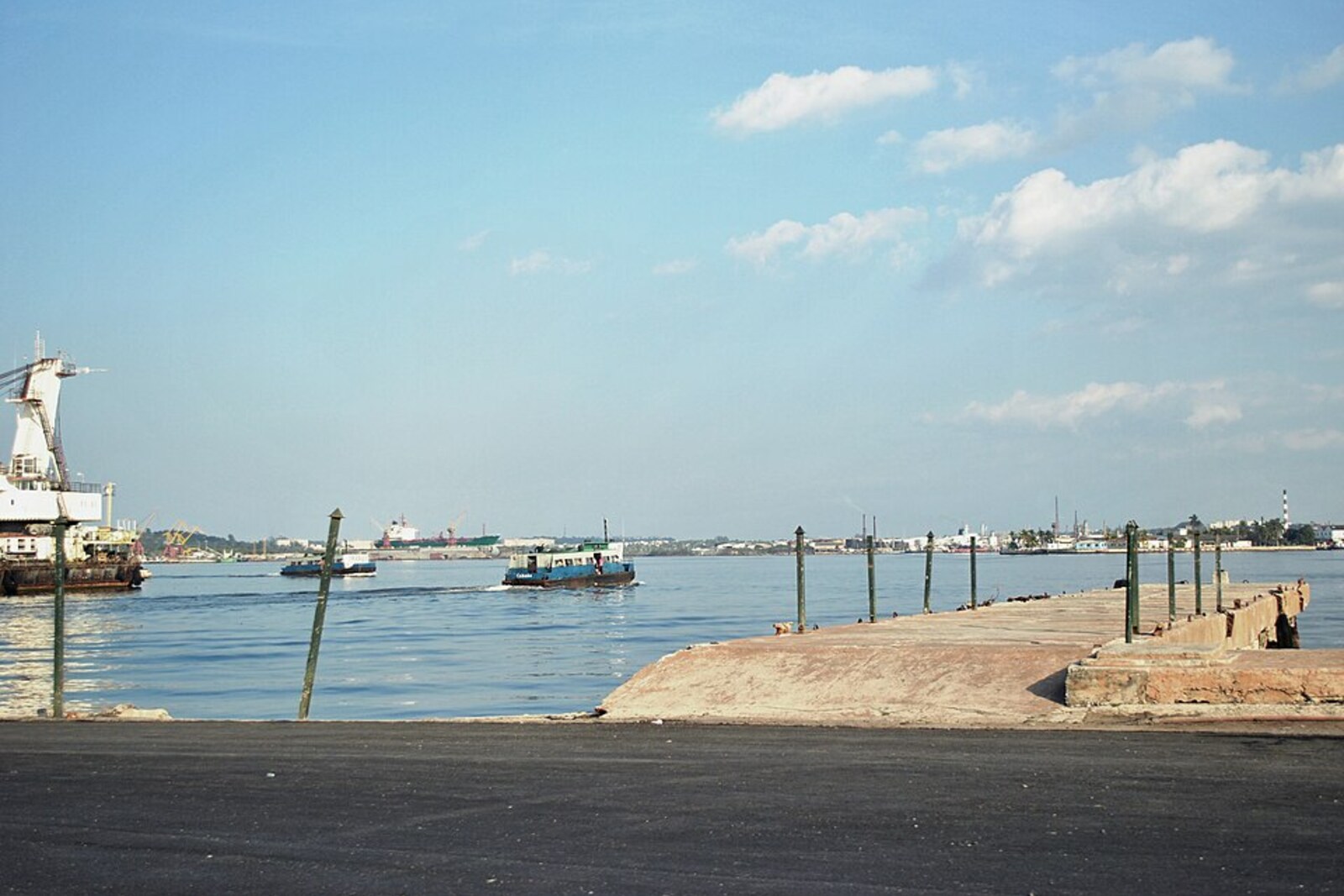
Look around first
What to notice
- Railway tracks
- Station building
- Ferry wharf
- Shoreline
The story of the place
The station in Casablanca became the urban terminus of the electric railway stretching from Matanzas through the former sugar region. It was built primarily for industrial operations: trains were to bring cane to processing, deliver materials, and carry sugar away to the ports. Later, residents of settlements along the line began using these cars, and the factory railway also took on intercity service. The tracks by the shore run east, while from the neighboring wharf the water route continues to Old Havana.
The name Casablanca emerged as an instruction to a boatman. According to local tradition, in fifteen eighty-nine officials of the royal treasury set up a warehouse on this shore for items that did not fit in Havana's storage facilities. The building was painted white. Workers asked a boatman to take them to the “casa blanca”—the white house. The warehouse burned down in seventeen eighty-five. Its walls are no longer here; the instruction to the boatman remained as the name of the settlement.
Three centuries later, Milton Hershey's engineers had to bring a railway to the same boatman's address. Hershey was an American confectioner who made a fortune from the mass production of milk chocolate. During the First World War, sugar became more expensive and its supply was disrupted. To avoid depending on outside suppliers, Hershey came to Cuba in January nineteen sixteen to buy plantations and sugar mills.
Within a few weeks, he acquired the small San Juan Bautista mill, chose a site for a new enterprise about forty-five kilometers east of Havana, and began building a railway. The site was far from existing lines. After cane is cut, it must be crushed quickly, otherwise less sugar is obtained from it. Hershey needed trains that would deliver construction materials to the mill, cane to the grinding mills, and finished sugar to the ports. The first locomotives were steam-powered, but imported fuel was expensive, so Hershey ordered the line converted to electric traction.
His trains never reached Havana Central Station. The tracks leading to it were controlled by the British company United Railways of Havana, Hershey's main competitor in western Cuba. Its managers challenged the project before the railway commission and refused to let a competitor's trains run on their rails. Hershey tried to gain access through the courts, but failed.
In October nineteen twenty-two, electric rail service between Matanzas and Havana was completed here, in Casablanca. The rivals kept Havana Central Station; Hershey got his own line, but his passengers had to transfer to a boat to reach the city. The trains also carried residents of the settlements that grew along the route, so the industrial railway became intercity transportation for them.
A year after Hershey's death, in nineteen forty-six, The Hershey Company sold its Cuban mills and railway. The former owner's surname remained in the line's name, and the outcome of the legal battle remained in its layout. From here, the rails run east toward the former sugar mill and Matanzas; westward, toward Old Havana, the ferry crossing from Luz Wharf still leads.
Useful on site
The wharf operates according to the actual launch schedule; check Hershey rail service separately and do not use it as a mandatory part of the route.
Checked: June 25, 2026. Check the official source before visiting.Do not treat this stop as a promise of a train ride: the route uses the railway as a historical point, not as transportation.