 Guide On Map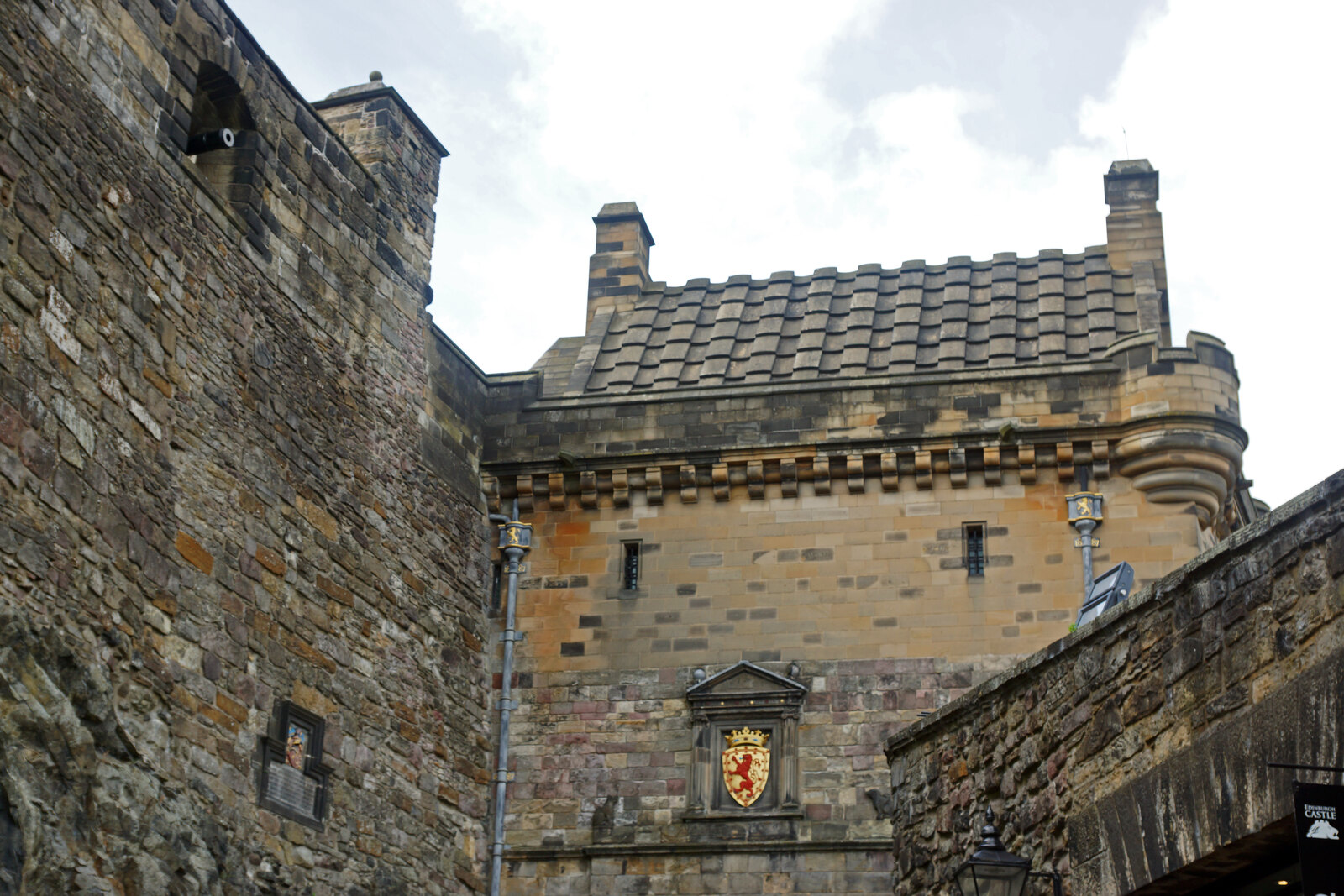
Look around first
What to notice
- The Esplanade's level surface
- Low walls
- Northern railings
- Decorative guard turrets
The story of the place
Beneath the Esplanade's even surface lies construction debris from old Edinburgh. In seventeen fifty-two, Lord Provost George Drummond, the city's elected head, agreed with the military to create a space in front of the castle for townspeople and the garrison: walking paths around the edges and a parade ground in the middle. The work was led by William Skinner, chief engineer of the Board of Ordnance, the department responsible for fortresses and armaments. Soil and rubble from construction sites in the city were hauled up, including material from the excavation for the Royal Exchange, now the City Chambers.
This created a broad, level stretch in front of the gates. The military called such a space an esplanade: it could be used to assemble the garrison, form up soldiers, and hold an inspection. Skinner earned his living designing fortifications, but here he was assigned to shape the only convenient approach to the fortress at a time when the castle served chiefly as barracks and headquarters.
The first embankment proved insufficient. In eighteen fourteen, after Napoleon's capture, city and military officials decided to enlarge the parade ground in memory of the victory. The French emperor escaped from Elba and tried to regain the throne; the project was postponed along with the premature celebration. Work resumed after Napoleon's defeat at Waterloo. By eighteen twenty, people had paved and enlarged the site, built low walls, northern railings, and small turrets on the southern side. These turrets represent guard posts: no one intended to fire from them or defend the gates from them. The Esplanade's present outline was created for parades and ceremonies.
In the twentieth century, everyday army life left this place. In nineteen twenty-three, the main part of the garrison was moved to the more spacious Redford Barracks. Townspeople demanded that a military presence be retained at the castle, so a guard of honor continued to be posted at the gates and parades continued to be held. This was precisely what helped the Esplanade find a new purpose.
Lieutenant Colonel George Malcolm came here from active service. During the Second World War, he served in several parts of the world, then commanded the eighth battalion of the Argyll and Sutherland Highlanders. In nineteen forty-nine, Malcolm staged The Men of the King on the Castle Esplanade. Two thousand five hundred spectators watched it standing up. The career officer risked his professional reputation on an unfamiliar task: turning drill exercises, bands, and military ceremony into an evening spectacle for festival audiences.
After this production, the new Lord Provost Andrew Murray proposed to the commander of forces in Scotland that such a performance should be held every year during the Edinburgh Festival. In nineteen fifty, Malcolm became the first producer of the Edinburgh Military Tattoo. The city architect commissioned Jim Tweedie to design raised stands, and for the first time the audience surrounded the old parade ground from above. The program had eight acts; one hundred thousand people saw them over twenty performances.
The word “tattoo” came from army life. It was the name for an evening signal by which drummers ordered tavern keepers to close their beer taps and soldiers to return to their barracks. Over time, the lights-out signal became a performance by military bands.
In August, temporary stands are assembled around the parade ground again. After the festival, they are dismantled, leaving in front of the gates a level embankment, low walls, and decorative guard turrets—the site that George Drummond and William Skinner set aside for garrison drill two centuries before the first tattoo.
Useful on site
The Castle Esplanade is an outdoor stop; the castle itself is open daily from 09:30, but access, parking, and traffic arrangements on the esplanade may change because of security checks, events, and the seasonal installation of the Tattoo.
Checked: June 15, 2026. Check the official source before visiting.The stop takes place entirely outdoors; when barriers or events are in place, view the site only from the accessible area.