 Guide On Map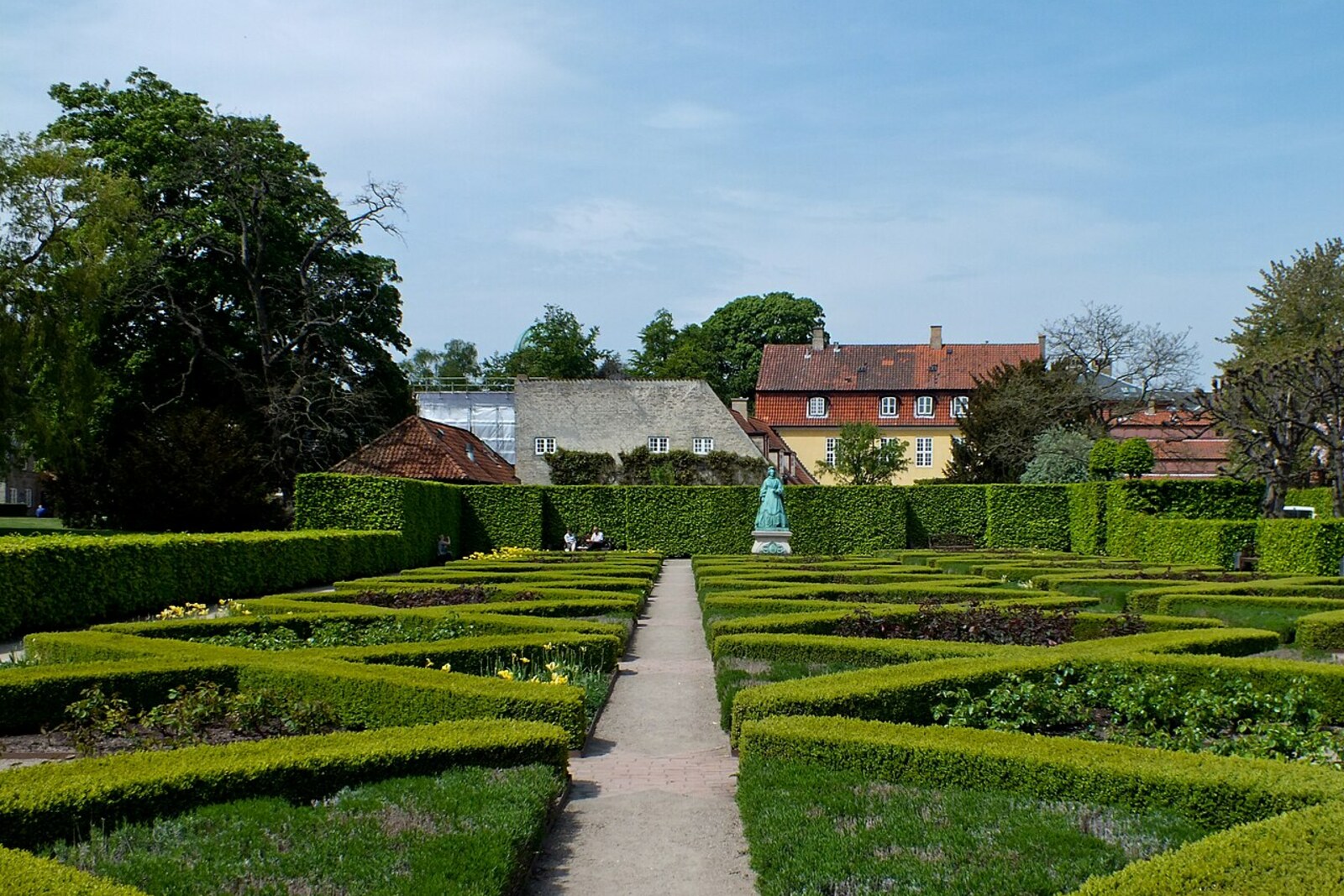
Look around first
What to notice
- Straight garden avenues
- Hercules Pavilion
- Lawns in place of the old beds
- Rosenborg's towers
The story of the place
The garden stretches along the walls of Rosenborg in straight avenues that preserve the layout of the royal estate. Fruit trees, vegetables, and flowers grew among today's lawns; gardeners sent the harvest to the palace kitchen, and the monarch came here with invited guests. The stone Hercules Pavilion outlasted the beds and temporary tents and now operates as a café. Walking paths run through the former service sections of the royal residence.
On May twenty-sixth, seventeen seventy-one, a Copenhagen newspaper reported that sections of The King's Garden, previously locked to the town's residents, were opened “for the enjoyment of the inhabitants.” Almost all avenues and sections were made accessible; only the area by the royal residence and the vegetable garden that supplied the palace kitchen remained closed.
The name explained who owned this land. In sixteen oh six, King Christian IV bought out forty-one privately owned garden plots beyond the eastern city rampart. At his command, straight paths were laid out here, fruit trees were planted, and vegetable and flower beds were created. The king and guests he invited came here, while gardeners sent the harvest to the palace table. Townspeople had sometimes been admitted for walks even earlier, but access depended on their standing and special permission.
Johann Friedrich Struensee ordered the garden to be opened completely. He was a German physician who became the personal physician of the mentally ill Christian VII and effectively ruled the country in his place. Struensee wanted to quickly reshape Denmark according to Enlightenment ideas. In the autumn of seventeen seventy, he abolished prior censorship, and the following spring he allowed everyone into the former royal sections.
The entrepreneur Johannes Jacob Gabel received permission to profit from the new public. He set up refreshment tents, took over an old stone pavilion, and opened a bank for Faro, a card gambling game. A portion of the proceeds was to be given to a foundling home. Visitors paid for food, drinks, and cards; with that money, Gabel arranged nighttime illuminations and grand festivities.
The royal family confirmed the new order with its presence. Christian VII and Queen Caroline Matilda dined in the garden tents. In July, after the birth and christening of their daughter Louise Augusta, a fireworks display was held here: the monograms of the queen and the infant appeared in the flames, but no royal sign appeared among them. Rumors were already circulating in Copenhagen about Struensee's affair with the queen and that the doctor himself was the girl's father.
The abolition of censorship allowed Struensee's opponents to connect these rumors with what was happening in the garden. In cheap pamphlets, the tents became dens, walks became debauchery, and the whole garden was nicknamed the “green brothel.” These texts were political satire and semi-fiction, not an accurate record of what had been seen. They do, however, reliably show how townspeople used their new right: here they read fresh broadsheets, argued about reforms, and retold court rumors.
In October, Struensee restricted the freedom of the press that he had introduced. On January seventeenth, seventeen seventy-two, he was arrested, and on April twenty-eighth he was executed for offending royal dignity in connection with his relationship with the queen. The garden itself did not bring about his downfall, but the prosecutor included nighttime entertainments and open gates in the picture of moral decay presented to the accused.
After Struensee's fall, officials removed the gambling tents and ended Gabel's festivities. Access for townspeople was not cancelled: already at the beginning of the following decade, the garden was officially described as open for walks in summer. Gabel's old pavilion was rebuilt in seventeen seventy-three; it is now the Hercules Pavilion, with a café inside. Lawns took the place of the royal beds, and the straight paths still run almost where they were laid out under Christian IV. There are no more gaming tents here; the public for whom they were set up has remained.
Useful on site
Daily; January–February 7:00–18:00, March 7:00–19:00, April 7:00–21:00, May–August 7:00–22:00, September 7:00–21:00, October 7:00–19:00, November–December 7:00–17:00. Free admission.
Checked: June 28, 2026. Check the official source before visiting.This stop is outdoors: choose a quiet spot by the monument, and do not linger in the middle of the passage.