 Guide On Map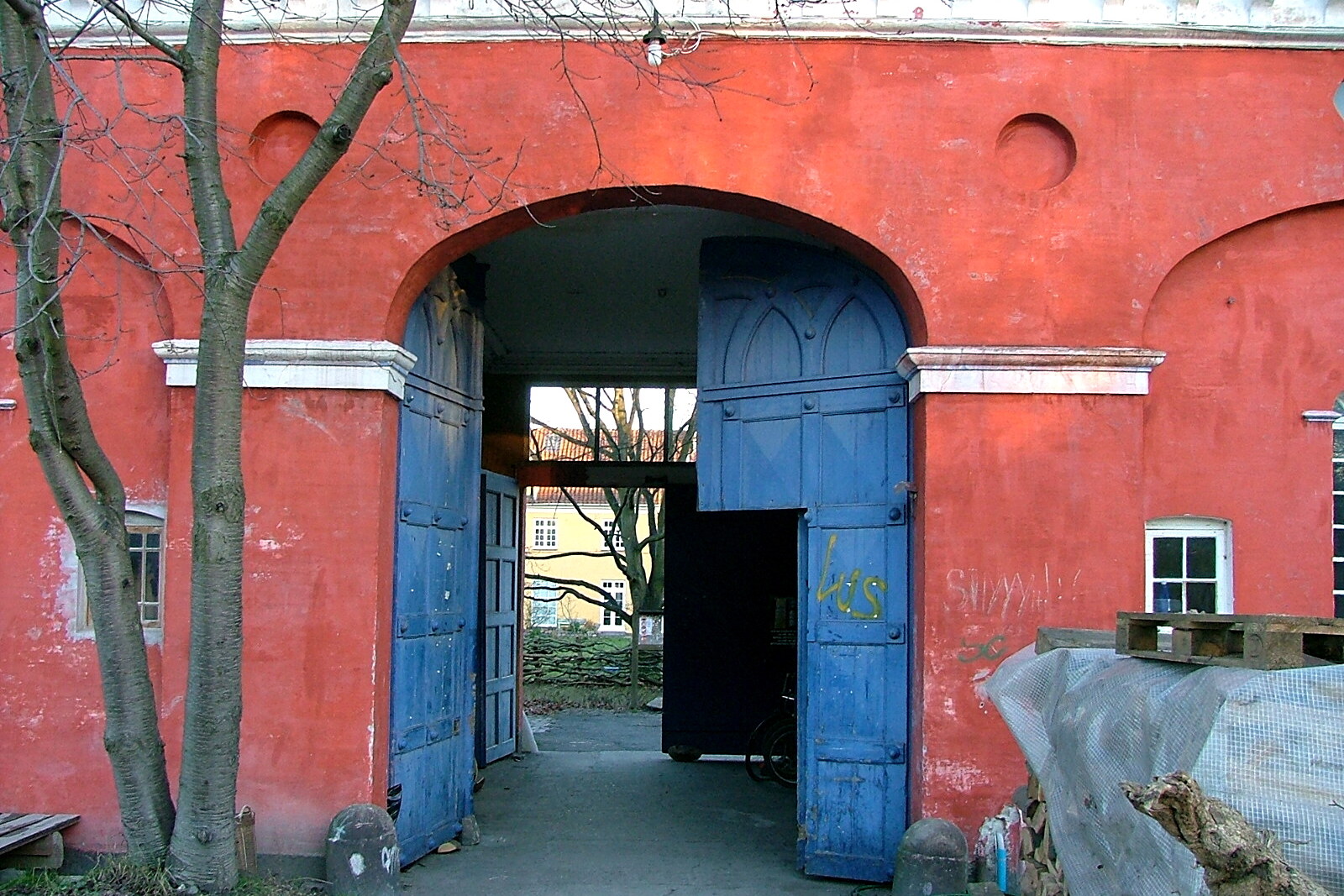
Look around first
What to notice
- Former barracks buildings
- Workshops and shops
- Concert venues
- Three-wheeled cargo bicycles
The story of the place
“Free city” here does not mean a separate state. It is an urban community that emerged in nineteen seventy-one in the abandoned Bådsmandsstræde Barracks. People moved into the military buildings and turned them into homes, workshops, shops, and concert venues. They settled common matters at meetings and decided not to use cars within the area.
That last decision quickly became an everyday problem. Children, groceries, stoves, and building materials still had to be transported somehow. The blacksmith Lars Engstrøm earned money in a local workshop: he made stoves from old oil barrels, then bicycle trailers. The first frames for them were even assembled from metal bed bases.
The trailers were suitable for cargo, but children rode behind the adult. Lars moved the body to the front and placed it between two front wheels, so that a parent could see the children during the ride. On May sixteenth, nineteen eighty-four, he put the finished bicycle out in the garden, wrapped it, and tied it with a bow. It was a birthday gift for his partner Annie Lerche and transport for their two children.
Annie had expected a racing bicycle and was not pleased with the gift at first. She later said that if she had known then that it was the family’s future livelihood, she would have looked at it differently. Lars received an order for a second one after the very first ride. They tried to make the next one better than the previous one, new orders followed, and the workshop moved into mass production.
A few years later, Lars and Annie moved their main work to the island of Bornholm: there, local residents assembled wheels, sewed canopies, and made parts. Christiania Bikes are still manufactured. They retain the main layout of the first gift—three wheels and a wooden body in front of the rider. The name on the production vehicle points to the place where the absence of cars once made a blacksmith put a child trailer in front of the handlebars.
Useful on site
The area is open around the clock; cafés and workshops operate mainly in the afternoon. Some areas have restricted access and photography is prohibited.
Checked: June 28, 2026. Check the official source before visiting.Stay on open paths, respect residents’ privacy, and do not photograph people without consent. Avoid any offers of illegal trade.