 Guide On Map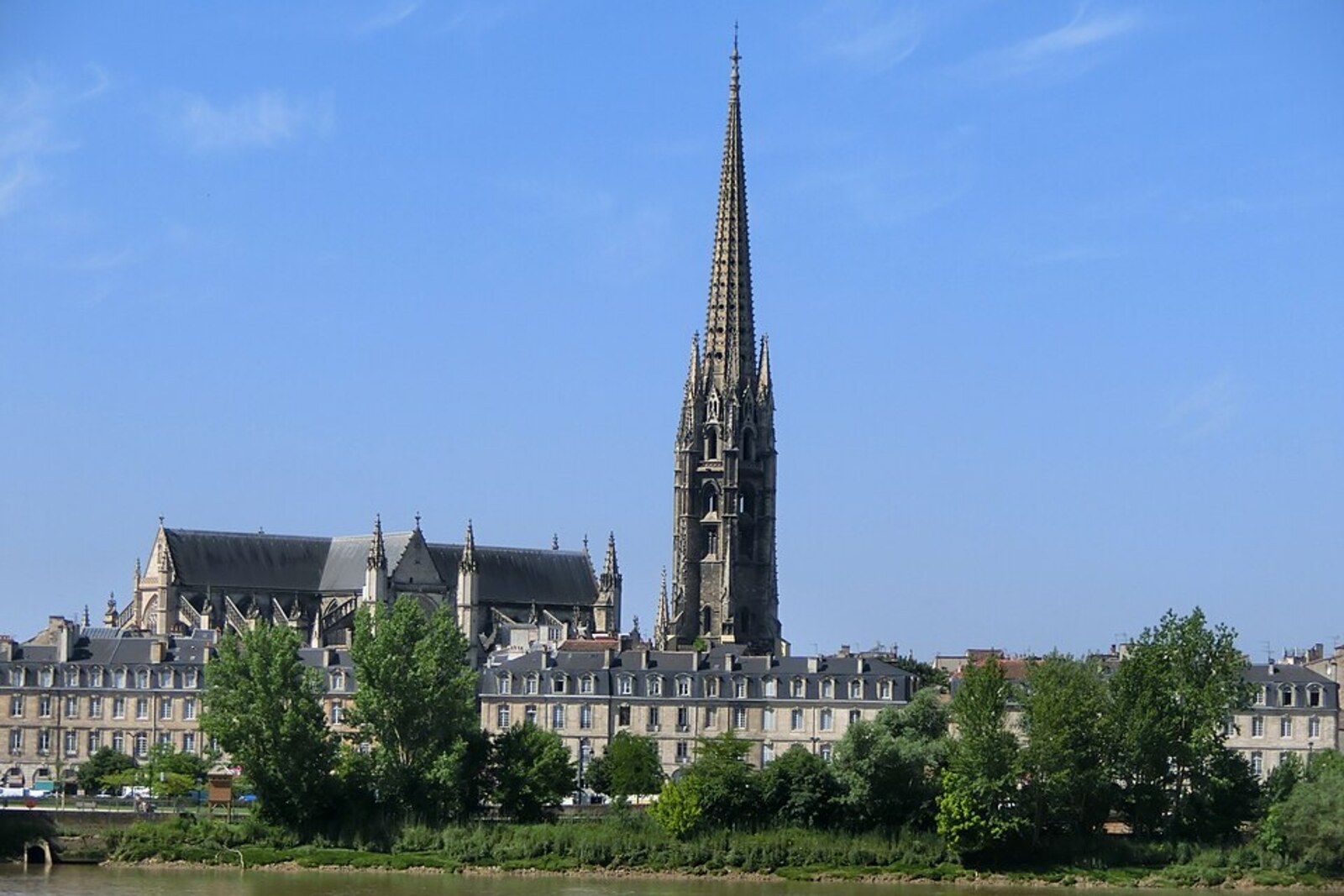
Look around first
What to notice
- The sculptural group above the pulpit
- The archangel's raised sword
- The demon under his feet
- The side chapels
The story of the place
Saint-Michel was built as the parish church of a port suburb. It received the title of minor basilica only in nineteen oh three. In the Middle Ages, boatmen, sailors, carpenters, coopers, merchants, and salt measurers earned their living near the Garonne, formed confraternities, helped their own members, and prayed for their dead companions. Wealthy families and confraternities paid for seventeen side chapels. That is why the building became so vast: each group needed its own altar, ceremonies, and a place to remember the dead.
The church inherited its name from an earlier sanctuary that stood here. In Christian tradition, Archangel Michael commands the heavenly host, defeats the devil, and takes part in the judgment of souls. People of the river revered him as a protector. Inside the basilica, he is still depicted precisely as a warrior—with a raised sword over a fallen demon.
This sculptural group was installed in seventeen fifty-three above a pulpit of mahogany and marble. Forty years later, its continued existence was in doubt. During the French Revolution, images associated with the old cult were removed from churches. In seventeen ninety-three, the people who came to destroy the figure of the archangel no longer saw before them the patron of the parish, but a religious symbol that was no longer supposed to have a place here.
According to Bordeaux tradition, Michael was saved by an unknown local patriot. He had to convince the destroyers immediately, and he did not defend either the church or theology. He pointed to the composition and offered a different interpretation: before them stood Liberty, trampling Despotism. The demon under her feet became the overthrown old order, and the sword became a weapon of the Revolution. The sculpture was left in place.
The art historian Charles Marionneau recorded this remark almost seventy years later. He gave neither the name of the resourceful defender nor a record contemporary with the event, so the dialogue itself remains a legend. Its result, however, can be verified. The group was not smashed, although in seventeen ninety-four the interior of Saint-Michel was divided: priests who had sworn allegiance to the new political order held services in the choir, while the nave and transept were assigned to the Temple of Reason.
Later, Catholic services occupied the entire building. Archangel Michael once again stands above the old pulpit, rather than an allegory of Liberty. Under his feet lies the same demon that, for a few minutes, received another name and remained intact because of it.
Useful on site
Usually daily 09:00–18:00; Sunday Mass — 11:15, weekday Masses — Tuesdays, Wednesdays, and Fridays at 19:00. Access may change during services and parish events.
Checked: June 30, 2026. Check the official source before visiting.Inside, look for the chapels along the sides of the nave, but bear in mind that their furnishings have changed, and some relics may be unavailable for close viewing. During a service, pause the audio and keep quiet.