 Guide On Map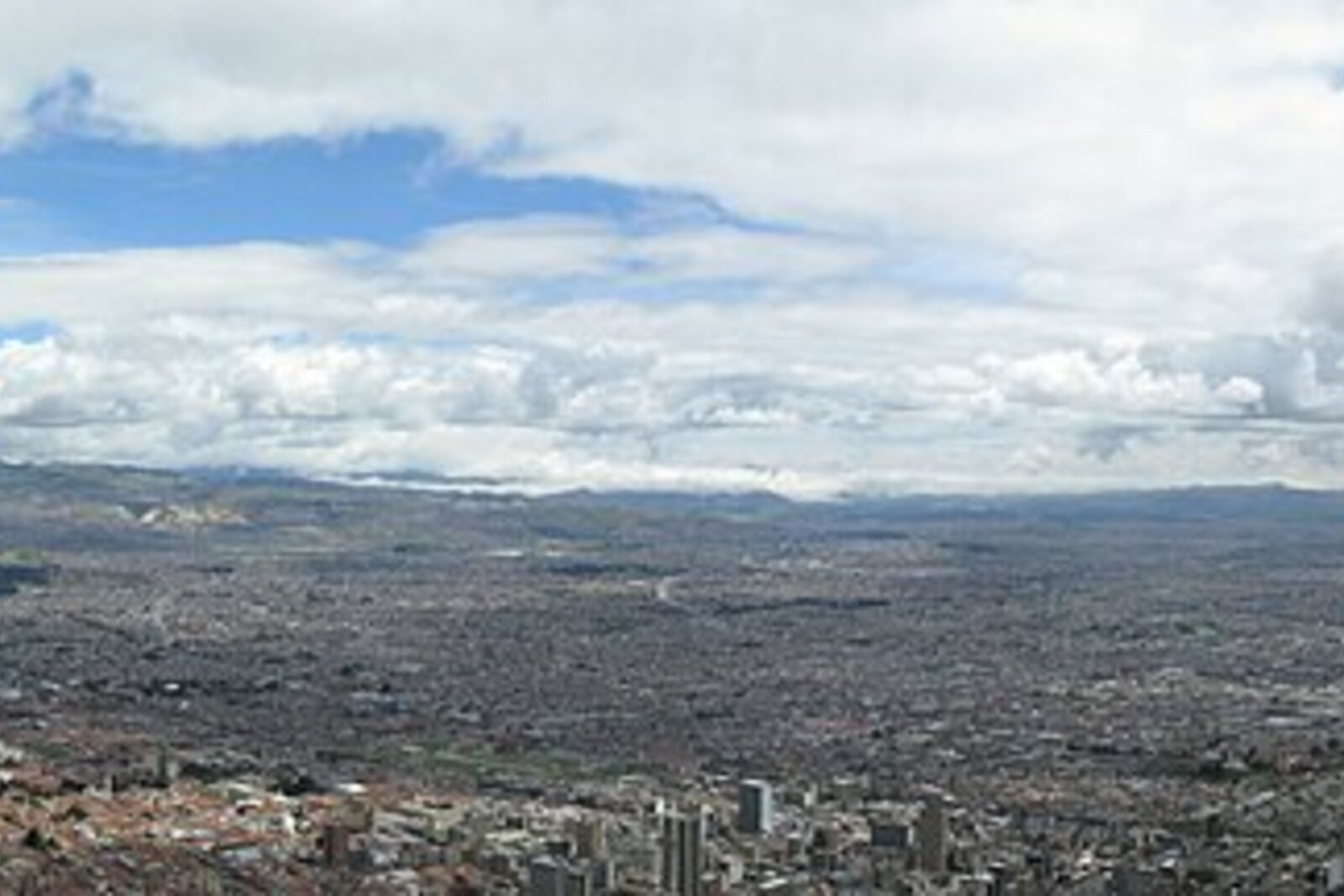
Look around first
What to notice
- The white wooden structure of Casa Santa Clara
- Wide windows
- Old wooden floors
- Cable car cabins
The story of the place
To the west lies Bogotá, and the Chingaza Massif is visible from the eastern viewing platform. The restaurants south of the sanctuary appeared in the nineteen seventies, when Monserrate's managers decided to keep at the summit those who had come up for a stroll and the panorama as well. In nineteen seventy-seven, the former camp of the Monserrate Funicular builders, which had served as the Panorama Café, was turned into the San Isidro Restaurant. The next restaurant needed a house that could itself become an attraction.
Such a house stood far from here, in Usaquén, on the Las Mercedes Estate. The wooden villa was built in nineteen twenty-four for the wealthy landowner Carlos Navarro. According to a well-known legend, Navarro bought it in Paris, had it dismantled, shipped it by sea to Colombia, then taken up the Magdalena River and delivered to Bogotá on mules. No documents of this journey have been found. Carlos Alberto Leyva, Monserrate's manager at the time, maintained that the villa had been built in Bogotá itself after a French model.
After Navarro's death, the engineer Guillermo González Zuleta bought the house and lived there with his family. He was one of the builders of the Monserrate Cable Car. In nineteen seventy-four, the expansion of Bogotá's Carrera Séptima reached the estate: the family's home was to be demolished. Leyva knew González and suggested a solution: transfer the villa to Monserrate's management company, move it to the summit, and set up a restaurant inside.
In nineteen seventy-nine, workers began dismantling the house. Leyva counted thirty-three thousand pieces. Each one was marked, trucked to the foot of the mountain, and then lifted in the cable car baskets day and night, without interrupting passenger transport. The engineer was losing his family home, but saving it from the excavators; the line he had once helped build was now carrying away its walls and floors.
A foundation was laid for the villa at the edge of the slope, and by the middle of the nineteen eighties it had been reassembled. The first restaurant, serving Italian cuisine, did not keep visitors there, so the owners switched to dishes from different regions of Colombia. The house was named Casa Santa Clara, after the Catholic saint Saint Clare of Assisi, whom local tradition credits with patronage over clear weather.
The white wooden structure, wide windows, and old floors belong to that very villa from Usaquén. It was not here until nineteen seventy-nine. Beyond the windows is now the panorama people come here for, and beside it runs the cable car that brought the house up in pieces.
Useful on site
During Monserrate complex opening hours; the last descent depends on the method chosen.
Checked: June 28, 2026. Check the official source before visiting.Do not approach the barriers for a photo, and do not count on constant visibility; plan restaurant visits and table reservations separately.