 Guide On Map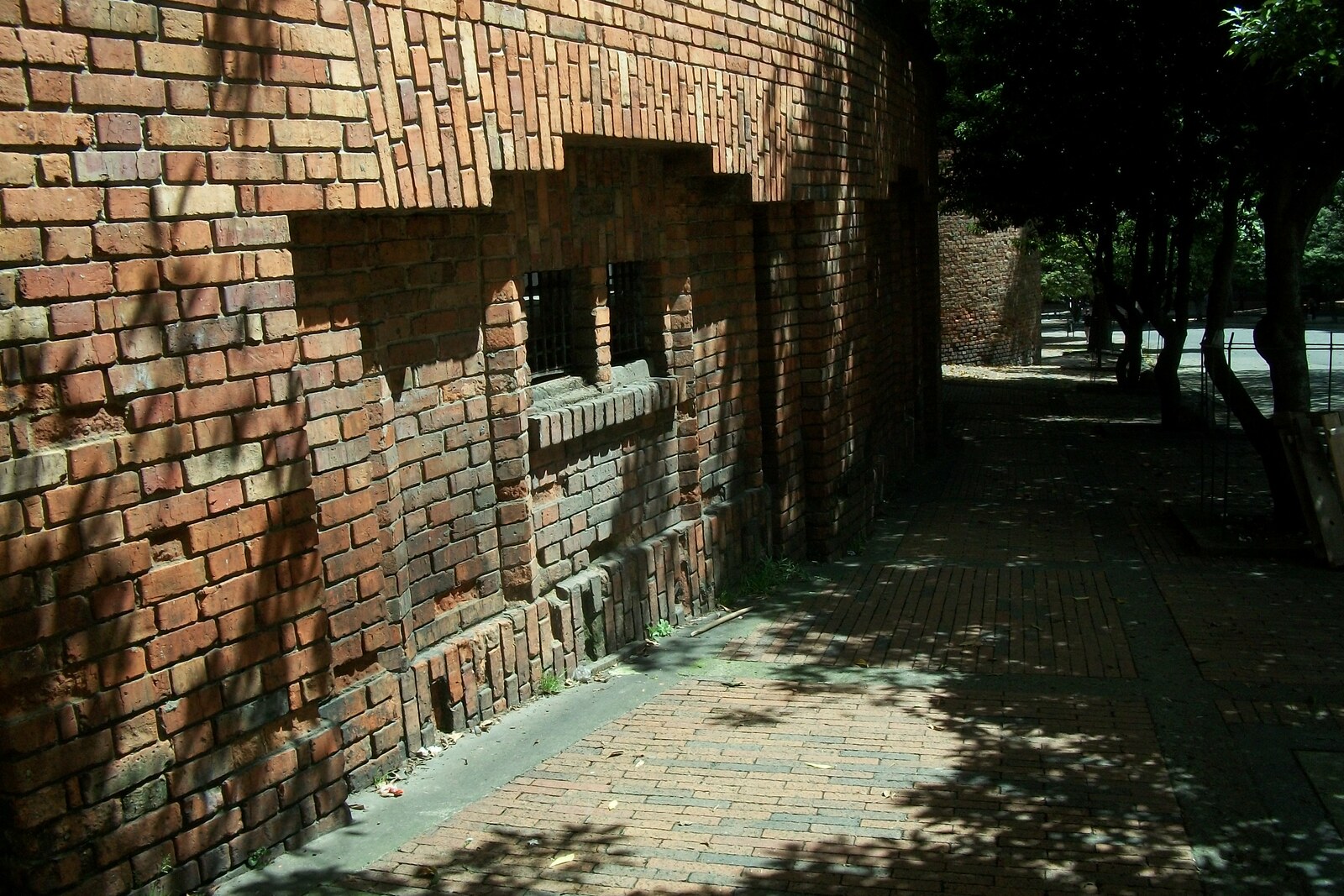
Look around first
What to notice
- Circular brick façade
- Horseshoe arches
- Commemorative plaque
The story of the place
Horseshoe-shaped brick arches run along the circular façade, and behind them the bowl of stands, facing a single arena, closes in. It was built for bullfights: previously, such Bogotá bullrings were assembled from wood only for a season, but here the spectacle acquired a permanent home for about fifteen thousand people. Later, the venue was reinforced and converted for concerts, performances, and sports, while preserving the circle of stands itself. A commemorative plaque on the façade keeps alive the memory of the man whose surname remained in the name.
Santamaría here is a surname. Ignacio Sanz de Santamaría was a Bogotá landowner and cattle rancher who created the “Mondoñedo” ranch with fighting bulls. His capital was land and a herd. First he brought breeding animals from Spain, then he decided to build a permanent arena for them: Bogotá’s earlier bullrings were assembled from wood and dismantled after the season.
In nineteen twenty-eight, Sanz de Santamaría bought this plot beside Independence Park, mortgaged his property to Banco de Bogotá, and put almost his entire fortune into construction. On February eighth, nineteen thirty-one, he opened a reinforced-concrete arena with about fifteen thousand seats. Enrique Olaya Herrera sat in the presidential box, three matadors arrived from Spain, and the bulls were brought from “Mondoñedo.” The present brick façade with its horseshoe arches did not yet exist: the public entered an unfinished gray structure.
The calculation did not work out. The global economic crisis reached Bogotá, and there were more people interested than people able to buy tickets regularly. The first seasons brought losses. Sanz de Santamaría went bankrupt and handed the arena and other assets over to creditors; the city later obtained ownership and management. The founder died soon after his ruin, without seeing either the brick façade with which the city covered the concrete in the early forties or the successful seasons of the following decades. His surname was retained in the name and on the commemorative plaque.
The circular stands, for which he risked his fortune, allowed fifteen thousand people to see both the arena and the boxes of honor at the same time. On January twenty-ninth, nineteen fifty-six, this arrangement determined the course of another story.
Alberto Lleras Camargo came to the bullfight—leader of the civilian opposition, seeking the country’s return from military rule to elections. The stands greeted him with applause and white handkerchiefs. Then María Eugenia Rojas appeared in the presidential box, the daughter of General Gustavo Rojas Pinilla, who was governing the country, and the public representative of his family. At official events, she was used to standing for greetings; here she was met with whistles. When the matador dedicated a bull to her, the whistling resumed.
A week later, María Eugenia was not at the arena. According to a later reconstruction, people from the general’s circle bought thousands of tickets for the next bullfight and distributed them to employees of the Colombian Intelligence Service. The agents came in plain clothes. Their task was to start cheers in Rojas’s honor and punish those who did not join in.
On February fifth, they demanded that their neighbors stand up, shout, and raise white handkerchiefs. Refusal became grounds for assault. People were beaten with truncheons, brass knuckles, and rifle butts; some were thrown down the steps. Below, the matadors continued the bullfight, while the public was not allowed to leave the stands until it ended.
Newspapers able to investigate what had happened were closed or under censorship. That evening, the interior minister denied that anyone had died. Later reports gave between two and thirty-seven dead; one surviving newspaper item reported nine. No complete list of names was compiled. Fifteen months later, Rojas Pinilla handed the office over to a military junta. In nineteen fifty-eight, Alberto Lleras Camargo, who had been greeted here with white handkerchiefs, became president.
After reinforcement and conversion, the arena was returned to the city as a multipurpose venue: concerts, performances, and sporting events are now held in its circle. That is why the word “Cultural” appeared in its current name. The circle of stands remains; there is no exact list of the people carried out of here on February fifth.
Useful on site
Basically 07:00–16:00 according to IDRD; interior access depends on events, while the façade is visible from public space outside.
Checked: June 28, 2026. Check the official source before visiting.Walking around the outside is enough to understand the building’s form. Go inside only when access is open or for a separate cultural event.