 Guide On Map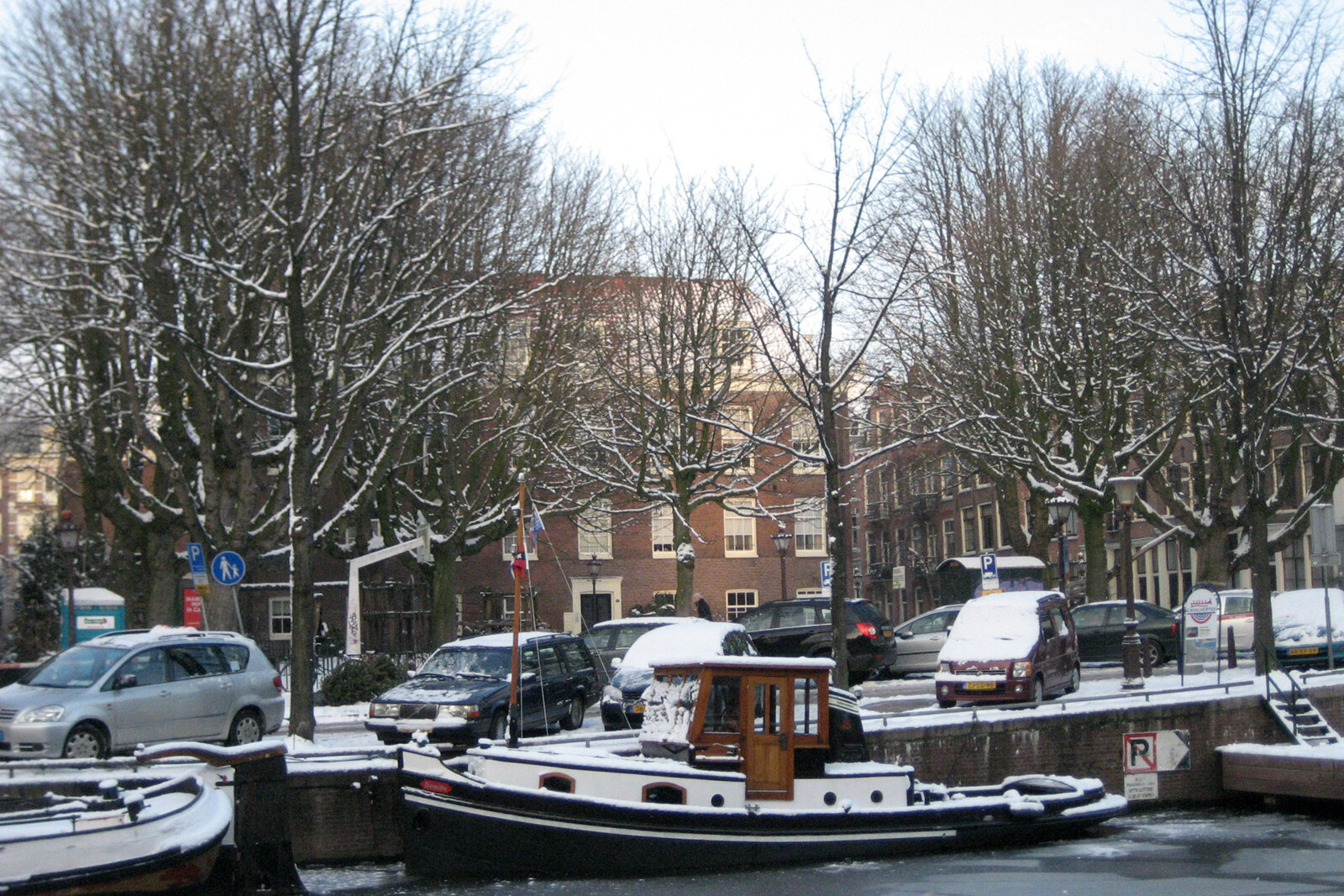
Look around first
What to notice
- The playground
- Brouwersgracht along the edge of the playground
- The rectangular square of Herenmarkt
The story of the place
In the rectangular part of Herenmarkt, right beside the water, children play today. A wooden shed stood here, which in winter became a distribution point: soup made from grain, beans, and meat broth was prepared for those in need, and peat was issued for stoves. Later, the shed was replaced by a new structure and demolished in the early twentieth century; Brouwersgracht still runs along the boundary of this playground.
At Brouwersgracht, Herenmarkt forms a rectangular pocket between the canal and Haarlemmerstraat. The two names have preserved two groups of townspeople. Brouwersgracht means “brewers’ canal”: grain, hops, peat, and clean water were delivered by water to their establishments, without which it was impossible to brew beer from polluted Amsterdam water. Starting in sixteen twenty-two, Nieuwe Brouwerskade lay specifically between Herenmarkt and Binnenbrouwersstraat, where barrels from other cities arrived. Herenmarkt was named after gentlemen-regents—representatives of wealthy families who were appointed burgomasters and city councilors.
In the summer of eighteen thirty-five, one such burgomaster, Frederik van de Poll, ordered furniture belonging to someone else to be stored here. This decision cost him his position.
Two years earlier, the state had required owners of cheap houses to pay a tax on housing that brought in less than eighty guilders a year. Formally, they were allowed to collect the amount from tenants. But if a poor tenant refused, the owner could not sell the tenant’s belongings without a court order. The owner had to pay from his own money.
Johannes Blokhof, a rentier who lived on the income from one hundred twenty small houses, led an association of about five thousand owners. He sought the abolition of the levy, first through negotiations, then by refusing to pay. Blokhof’s own tax arrears exceeded one thousand five hundred guilders, and officials made an inventory of his property.
On July third, Blokhof’s furniture was put up for open auction at Herenmarkt. His supporters had decided in advance to disrupt the sale. Blokhof’s employees wheeled in a cart of stones and broken bricks, the crowd pushed the guards aside, and the auction had to be stopped.
Tax officials wanted to take the property to a state warehouse at the other end of the center. Burgomaster van de Poll chose a wooden shed here, at Herenmarkt. In winter, Rumford soup made of grain, beans, and meat broth was given out there to those in need, along with peat for heating. The confiscated furniture was now moved there, and soldiers were left behind.
That evening, Blokhof’s men returned with clubs and axes. They smashed the windows, forced open the doors, drove off the soldiers, and threw the furniture into Brouwersgracht. Two landlords set fire to the shed. Firefighters prevented the flames from spreading to the neighboring shelter for orphans and elderly people, but only ashes and debris remained of the building itself.
Blokhof received five years in prison, and the two arsonists received eight years each. The king accused van de Poll of being unable to prepare for the unrest; the burgomaster resigned, although he later became governor of Utrecht. The tax measure that had caused the conflict was repealed the following year.
The shed was then rebuilt and finally demolished in the early twentieth century. There is now a playground in its place. Brouwersgracht runs along its very edge—the canal into which the participants in the riot threw Blokhof’s furniture.
Useful on site
The quay and bridges are accessible as public space, around the clock.
Checked: June 28, 2026. Check the official source before visiting.First, look at the intersection of waterways as a whole, then separately find the warehouses and the neighboring building of the former company chamber. Its interior is not required to complete the route.