 Guide On Map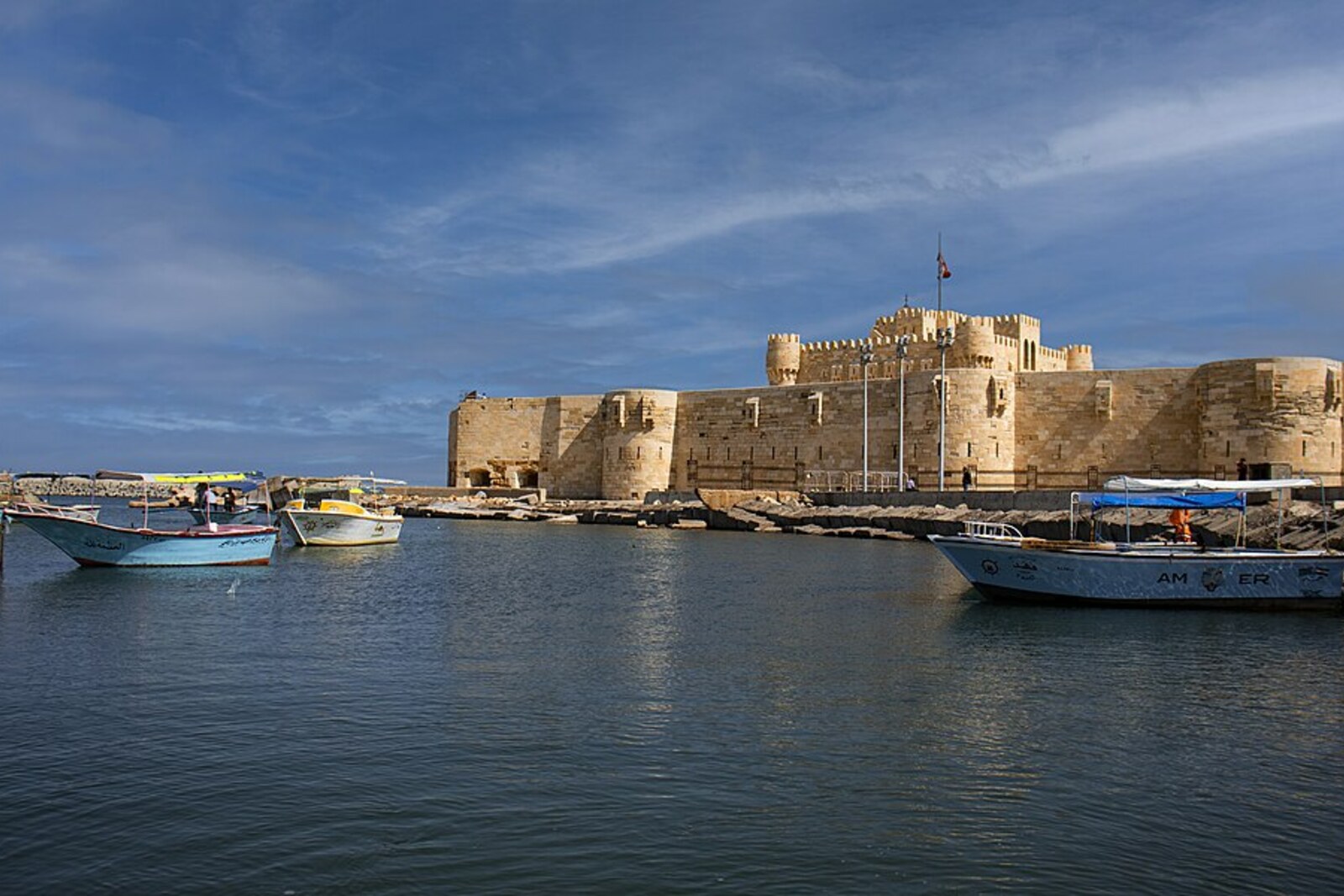
Look around first
What to notice
- Fishing boats
- Quay walls
- Catch crates
- Wooden trays
The story of the place
Eastern Harbour serves fishing vessels and small recreational boats. Commercial ships use Western Harbour, on the other side of the Anfushi Peninsula. The catch from here is sent to nearby Halqat al-Samak—the “fish circle.” The name describes the method of sale: buyers really do form a ring around the fish on display.
In twenty eighteen, one such circle was run by Ayman al-Hamshari. He was called a maallem—here, the manager of a trading place, an auctioneer, and the person who pays for the fishermen’s next trip to sea. Al-Hamshari came to the market as a boy assistant, continuing the work of his father and grandfather. The assistants prepared crates, sorted the mixed catch by species, and displayed it on wooden trays. Forty years later, Ayman himself stood in the middle of the circle and opened the bidding.
The fisherman did not set a price for his catch or wait for a retail buyer. The maallem named the starting amount, traders raised their bids, and the assistants removed the sold lot and moved the next one forward. The winner received the fish, while the fisherman received the entire sum raised at once. If the buyer needed a deferral, the maallem temporarily paid on the buyer’s behalf and then collected the debt himself.
Their accounts did not end there. Before a new voyage, the maallem gave the fisherman money for fuel, ice, and oil. The loan was repaid after the next sale. While the debt remained unpaid, the vessel could not move to another manager. So each circle had its own boats assigned to it: the auctioneer depended on their catch, and the crews depended on his money to put to sea.
In twenty twenty-six, a new fish market with cold-storage rooms, wholesale premises, and spaces for the same auctions was being completed beside the historic building. The vessels remain in Eastern Harbour, and on shore the arrangement is preserved under which the sold catch pays for their next voyage.
Useful on site
The public edge of the harbour is accessible at all times; the working berths, boats, and service areas are not a walking zone.
Checked: date not specified. Check the official source before visiting.Stay out of unloading, repair, and mooring areas; do not step over gear or disrupt work for a photograph. Surfaces by the water may be slippery.