 Guide On Map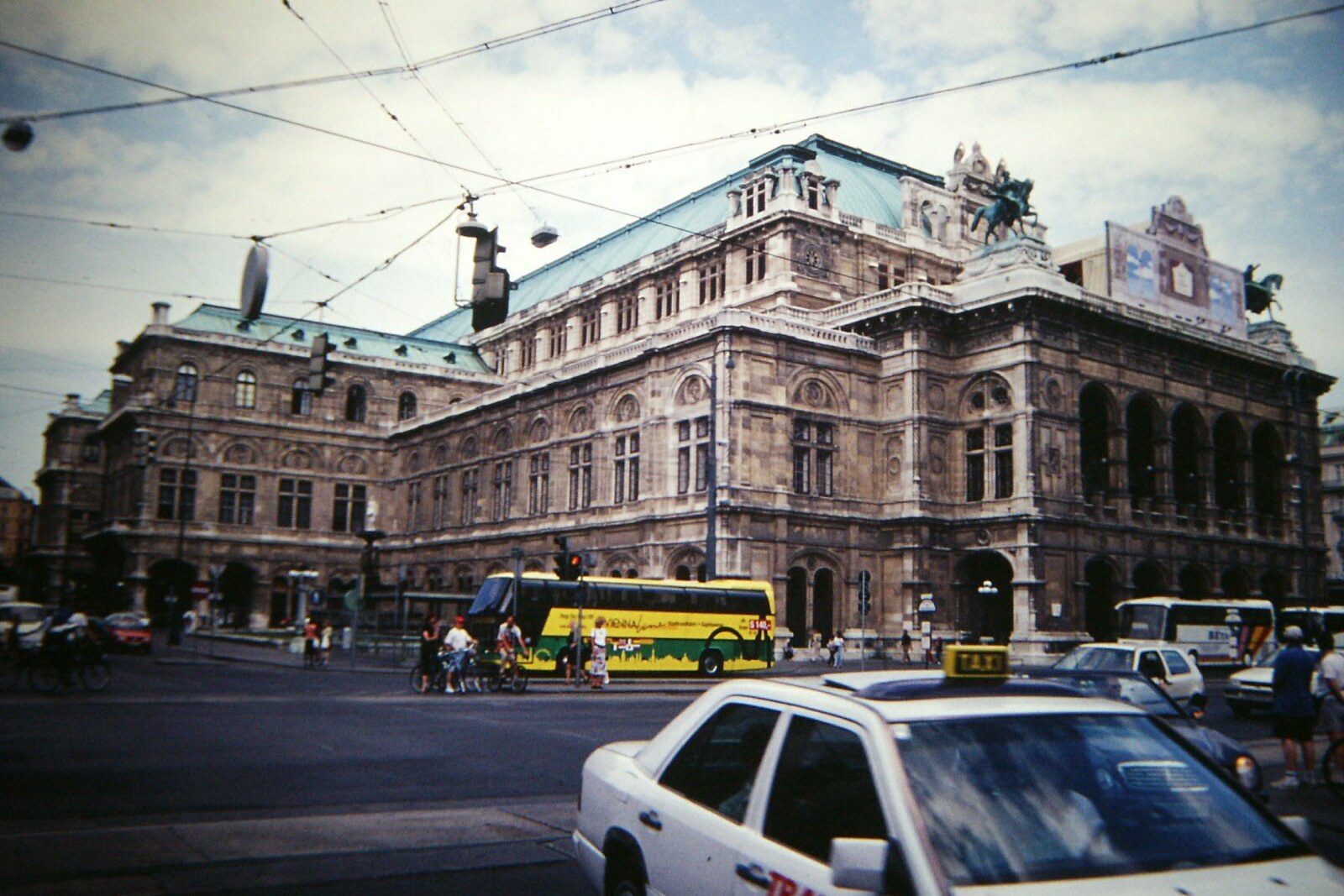
Look around first
What to notice
- Main façade
- Entrance doors
- Auditorium
- Stage
The story of the place
Three days after his appointment, Gustav Mahler, the new director and conductor of the Vienna Court Opera—the name then used for what is now the Vienna State Opera—demanded that the singers break with the claque. Claqueurs were professional audience members: performers paid them or gave them free tickets, and at the right moment they began applauding, called a singer back for bows, or greeted that singer's rival with whistles. For a performer dependent on new roles and contract renewals, this was insurance.
Mahler had sought this position as the pinnacle of his conducting career. Believing that his Jewish origins would bar his path to a post at the imperial court, he converted to Catholicism shortly before his appointment. Now he was putting at risk the position for which he had taken that step: Mahler wanted the score and the stage, not singers' deals with the audience, to determine the course of a performance.
In a letter to the performers, he demanded that they solemnly promise to stop paying claqueurs and supplying them with tickets. Some singers initially tried to evade the ban; Mahler summoned them for a talk. The claque weakened, although it did not disappear entirely, and after his departure it regained strength.
Mahler then stopped admitting latecomers until intermission and began dimming the lights in the auditorium during performances. The public had also grown accustomed to coming here for meetings, conversations, and displays of clothing; now the director kept audience members from entering in the middle of the action and from being distracted from the stage. In nineteen oh three, he invited Vienna Secession artist Alfred Roller to design Tristan and Isolde, and soon appointed him chief set designer. Roller built productions through color, space, and directed light, so the darkened auditorium became part of the concept rather than an etiquette requirement for its own sake.
Over ten years, Mahler renewed the company and conducted hundreds of performances here, but his uncompromising approach created conflicts with singers and the theater administration. The antisemitic press used every such dispute against him. In nineteen oh seven, Mahler resigned of his own accord, conducted Beethoven's Fidelio here one last time, and left to work at New York's Metropolitan Opera. Roller remained chief set designer for another two years.
After the end of the monarchy, the theater ceased to be Court Opera and received its current name. Today, around three hundred fifty opera and ballet performances are given here each season, and the musicians of this orchestra make up the Vienna Philharmonic. Mahler's decision also remains in the auditorium rules: once a performance has begun, the doors are not opened for latecomers. The beginning must be watched in a room with a broadcast; audience members are allowed to take their seats only at intermission.
Useful on site
Check the official website for performances, tours, tickets, and visiting rules
Checked: date not specified. Check the official source before visiting.From outside, it is convenient to compare the building's height with the street level—the reason for early mockery. The grand staircase and the architects' portraits are accessible only on a separate visit.