 Guide On Map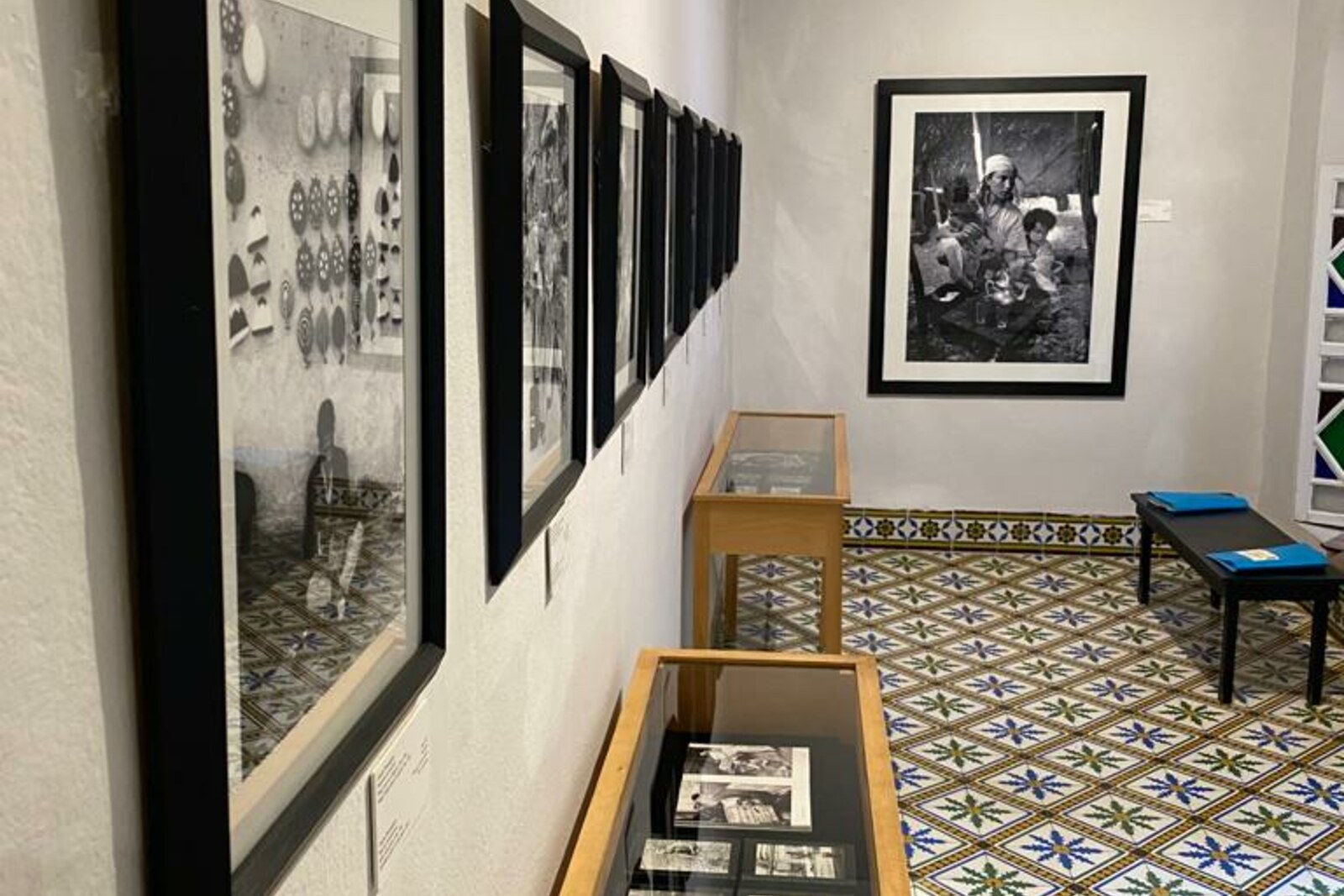
Look around first
What to notice
- Old prints
- Glass plates
- Maps
- Newspapers and magazines
The story of the place
Maison de la Photographie de Marrakech occupies a former funduq, an inn for merchants and travelers. Its floors were set aside for exhibitions and an archive. Among the old prints are glass plates, maps, newspapers, and magazines. The photographs date from eighteen seventy to nineteen sixty; the collection includes eight hundred plates showing the High Atlas.
Patrick Manac'h had collected old photographs since the age of seventeen. In Marrakesh, together with Hamid Mergani, a Moroccan collector and the museum's future co-founder, he set himself a specific goal: to make early photographs of Morocco accessible in Morocco itself.
By then, a significant part of the country's photographic past was scattered among foreign institutions and family collections. Manac'h and Mergani sought out prints at the Albert Kahn Foundation, in the archives of the French protectorate, and from the heirs of travelers and Europeans who had once lived in Morocco. It was a private project: they bought some materials, while the owners gave them others as gifts.
In April two thousand nine, the collected photographs acquired a public home in this former funduq. A funduq was an inn where visiting merchants and travelers stayed. Manac'h and Mergani adapted its floors for exhibitions and an archive. The French name on the sign—“Maison de la Photographie”—literally means “House of Photography.”
The other side of old images also matters here. They show Morocco from eighteen seventy to nineteen sixty, but a significant share of them was made by visitors. The photographer chose whom to place before the camera and what to call ancient, exotic, or worthy of being sold on a postcard. That is why the staff bring together photographs, glass plates, maps, newspapers, and magazines: they can be used to study both the country and ideas about it.
Over time, the collection grew to about ten thousand documents. Among them are eight hundred glass plates showing the High Atlas. The staff change the thematic exhibitions, accept new gifts and purchases, provide materials to researchers, and hold screenings in schools.
Travelers' baggage was once unpacked in this house. Now another kind of baggage from journeys is unpacked here: the plates, prints, and postcards that Manac'h and Mergani assembled into Morocco's public archive.
Useful on site
Museum with payment on site; check current hours and conditions in advance.
Checked: date not specified. Check the official source before visiting.Give your eyes time to adjust to the small images, and check the rules for photographing exhibits on site. If a historical film is being shown, allow separate time to watch it.