 Guide On Map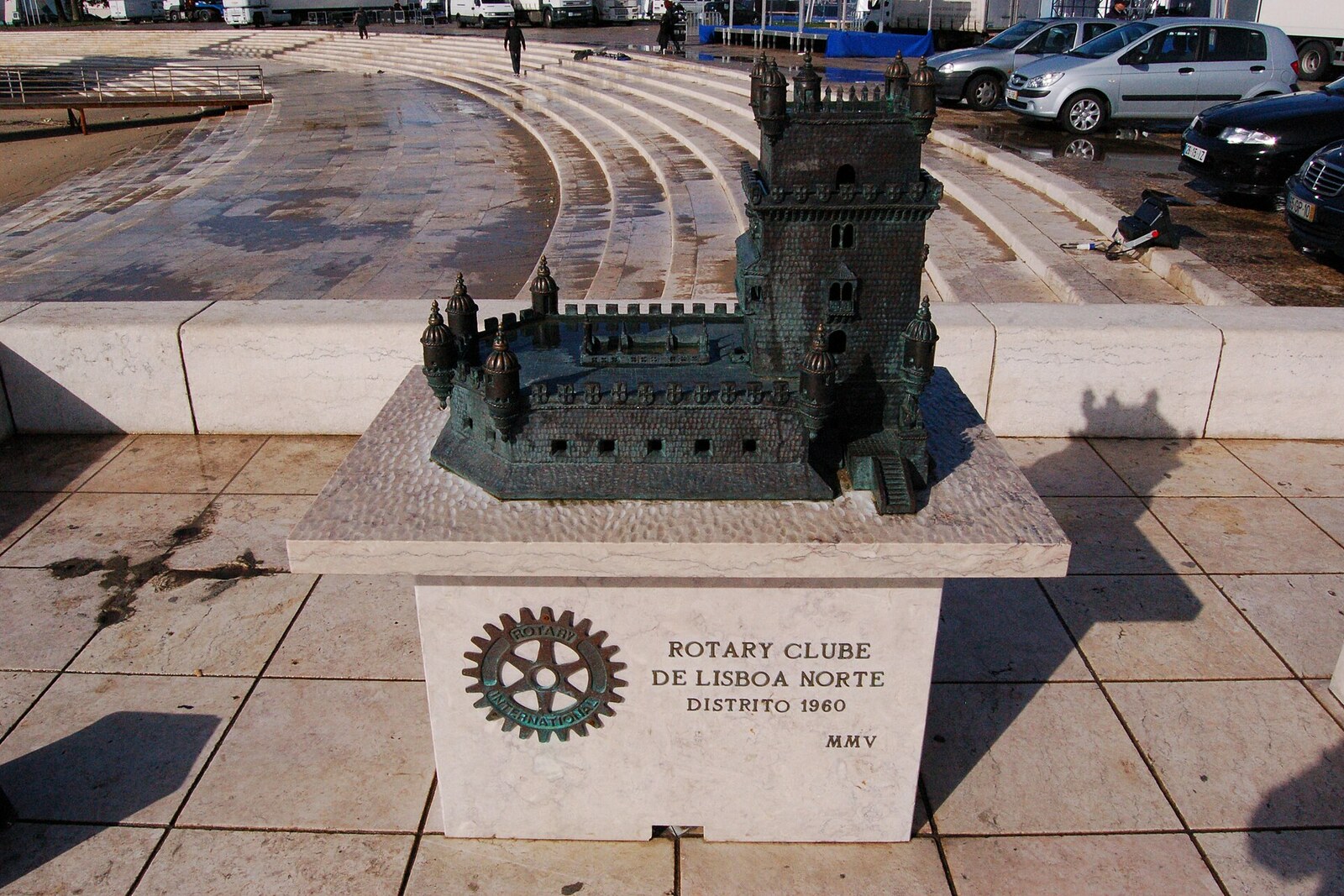
Look around first
What to notice
- Lower stone bastion
- Gun openings in a circle
- Casemate gallery
The story of the place
At the edge of the Tagus stands a river fortress built as the northern anchor of the river mouth's defense. The tower's lower section was designed for guns placed in a closed gallery in a circle. The structure was set on a basalt outcrop apart from the former shoreline, and together with the fortifications on the other bank it held the passage along the river under crossfire.
On the night of August twenty-third, one thousand five hundred eighty, the Duke of Alba's soldiers hauled three field guns up to Belém Tower. The guns were positioned on the landward side. The low stone bastion had been built for artillery, but now they intended to fire at its garrison.
At the time, two grandsons of Manuel I were contesting the Portuguese crown. After the death of the childless King Henry, António, Prior of Crato, declared himself king. Here, prior means the head of the Order of Saint John's wealthy Portuguese holdings: this office gave António a name, income, and men, but his parentage hindered his claim—he was Manuel's grandson through an illegitimate line. The other claimant, the Spanish king Philip II, descended from Manuel's daughter. He sent an army toward Lisbon and placed the Duke of Alba in command of it.
The tower prevented the Spanish fleet from entering the Tagus. King John II had already conceived of protecting the river mouth with several forts, and Manuel I ordered this northern anchor of the defense to be built here. Masons raised it on a basalt rock about one hundred eighty meters from what was then the shore. In the lower casemate gallery, guns stood in a circle. Together with the fortifications on the opposite bank, they held ships under crossfire.
The Duke of Alba did not lead his ships past those guns. His soldiers landed west of Cascais, beyond the river defenses, and advanced on Lisbon by land. One after another, they forced the coastal forts to surrender. When Fort of São Julião da Barra fell, the Spanish galleys were able to sail up the Tagus. On August twenty-first, Alba's men surrounded Belém Tower.
That night, the Spaniards set up those same three guns nearby. After several shots, the Portuguese galleons withdrew, and the garrison capitulated. The defenders kept their lives, but they opened Belém harbor to the enemy. Two days later, Alba attacked António's positions at Alcântara and crushed his army. António fled Lisbon, then sold jewels to finance further attempts to regain the crown, and died in France on a small royal pension. Alba entered the capital and headed the provisional government, while Philip was recognized as king of Portugal the following year.
The gun openings of the lower bastion still run in a circle and face the Tagus. The garrison expected the decisive attack to come from there. The three guns after which it surrendered were brought overland.
Useful on site
Daily 09:30–17:30 (last entry 17:00); closed on Mondays, 1 January, Easter, 1 May, 13 June, and 25 December.
Checked: June 17, 2026. Check the official source before visiting.From outside, both the defensive form and the decorative outer layer are easy to make out. Plan your interior visit separately: the historic rooms are cramped, and the route may involve narrow staircases.