 Guide On Map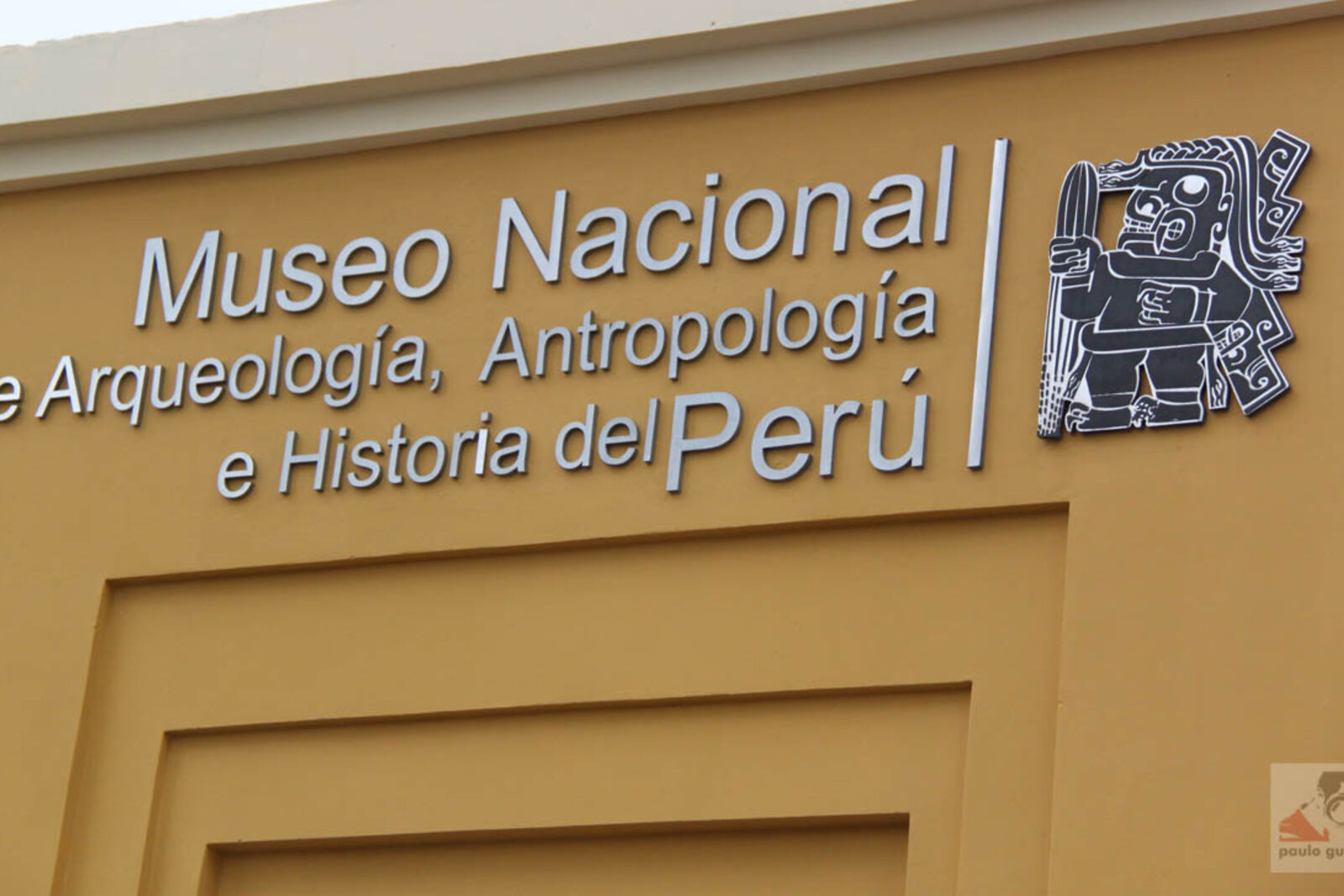
Look around first
What to notice
- Facade of Quinta de los Libertadores
- Rooms of the estate
- Museum display cases
The story of the place
Sala de la Independencia—the Hall of Independence—occupies the old Quinta de los Libertadores, the country estate of the Liberators. Its name still bears José de San Martín and Simón Bolívar, who lived here one after the other. Yet they could be housed in this home only after a legal dispute in which no one could present an indisputable claim to the estate.
In eighteen eighteen, Joaquín de la Pezuela became interested in the house. He was the second-to-last Spanish viceroy of Peru and was trying to keep the colony for Spain. The land belonged to the Order of Saint John of God. Its rent helped maintain the monastic hospital in the city of Ica.
Pezuela's intermediary arranged the transaction so that the viceroy could use the estate, alter it, and pass it on to his heirs, but he was required to pay one hundred ten pesos annually. He would become its full owner only after repaying the principal. Pezuela never did so. The residents nevertheless called his grand residence Quinta de los Libertadores.
In January eighteen twenty-one, Spanish generals forced Pezuela to leave office. The former viceroy moved here permanently. A mounted guard was posted on the road to check his visitors, while Pezuela sold off the furniture and prepared to depart. Before setting sail, he borrowed four thousand pesos from the creditor Pedro Abadía and left him the estate papers as collateral.
After the declaration of independence, San Martín ordered the seizure of the property of Spaniards who had not supported the new order. Quinta de los Libertadores was regarded as the property of either the former viceroy or Abadía. The finance minister Hipólito Unanue demanded that the creditor prove that the house belonged to him; otherwise, the estate was to be transferred to the state.
Abadía replied that he held the papers only as security for the debt. He had no document confirming ownership. On August twenty-fifth, eighteen twenty-one, he surrendered the house to the state without resistance. The brothers of the Order of Saint John of God later tried to recover their land, but unsuccessfully. The state used the estate for thirty-seven years and then returned it to Pezuela's heirs; they soon sold the house.
It was precisely between the confiscation and the return that San Martín lived here first, followed by Bolívar. That is where the present name Quinta de los Libertadores comes from. For the bicentennial of independence, museum staff installed a permanent exhibition in its rooms with eleven sections. Sala de la Independencia is in the house that the new Peru acquired because the creditor of the ousted viceroy could not prove his claim to it.
Useful on site
PromPerú: Mon 12:00–19:30, Tue–Sun 09:00–19:30, free admission; check current access.
Checked: June 26, 2026. Check the official source before visiting.Plan the interior exhibition separately and check access in advance; if you cannot enter, read the house's exterior as part of the square ensemble.