 Guide On Map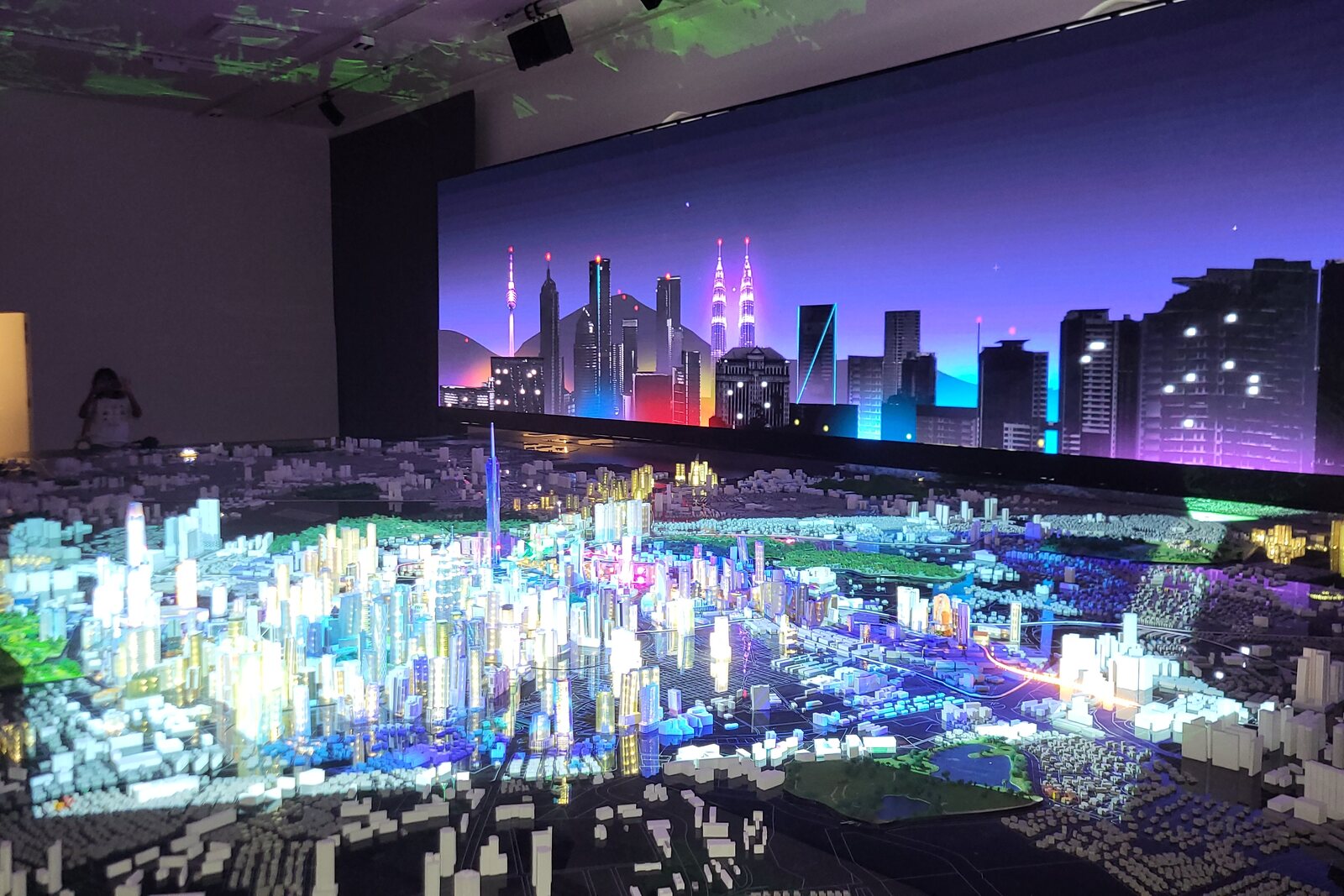
Look around first
What to notice
- Red-brick building
- Wide windows
- Cast-iron columns
The story of the place
This stop's name now has two addresses. The red-brick building beside the city library housed Kuala Lumpur City Gallery, but it has stood empty and awaited restoration since March two thousand twenty-four. In February two thousand twenty-six, visitors began to be admitted across the square, inside the Sultan Abdul Samad Building. The story of the old address began with a man who did not have enough metal letters.
Before eighteen ninety, Selangor's documents were printed in Singapore. Sending them back and forth took time and money, while the administration intended to publish its own official gazettes. John Russell, a printer for the London newspaper The Illustrated London News, was tasked with setting up the printing office. For this salary, he moved his wife and five children to Kuala Lumpur.
The first workshop was placed on Bluff Road—today's Bukit Aman. There was so little equipment that the typesetters had to dismantle the already printed first half of the gazettes: the metal types, meaning individual letters, were put back into the frames to set the second half. Estimates could be printed only four new pages at a time. Nevertheless, on June twenty-seventh, eighteen ninety, Russell published the first issue of a government gazette printed in Selangor itself.
Orders quickly filled the entire premises. For three years in a row, Russell wrote in his reports that it was impossible to install additional machines and hire people: there was no free space. A temporary lean-to with a palm-leaf roof had to be added. When Kuala Lumpur became the administrative center of the Federated Malay States, such a printing office could no longer handle the flow of laws, reports, forms, and railway documents.
The new building by the Selangor Club Padang was planned together with Russell. He sought two things: a large unobstructed floor for heavy presses and the light needed by typesetters. That is why it had wide windows and cast-iron columns with trusses, which kept the middle of the hall uncluttered. In eighteen ninety-nine, the printing office was moved here. Inside, thirteen printing machines and its own type foundry were in operation, where type was cast; the staff grew to around two hundred people, mainly Indian typesetters and printers.
Five years later, equipment was brought here and the staff of the closed printing office in Taiping were transferred. Russell headed the combined Government Printing Office, and official publications of four Malay states began to be printed in this hall, including gazettes in Malay and annual collections of laws. That is why the building was placed exactly here, a few steps from the offices that prepared these papers.
The printing machines were removed in nineteen sixty-one. Later, the city council bought the building and opened Kuala Lumpur's first public library in it, and from two thousand twelve photographs, maps, and models of the city were displayed here. The exhibition changed address; the old hall retained the wide windows and cast-iron supports for which John Russell took part in planning it.
Useful on site
The complex is open daily 08:00–22:00. Kuala Lumpur City Gallery operates as a separate ticketed gallery inside the complex; sources from 2026 mention 09:00–18:00, but the ticket, concessions, and last entry should be checked on the day of the visit.
Checked: June 30, 2026. Check the official source before visiting.Check the address against the Sultan Abdul Samad Building complex and confirm access to the rooms you need in advance: exhibition and craft spaces may have separate conditions.