 Guide On Map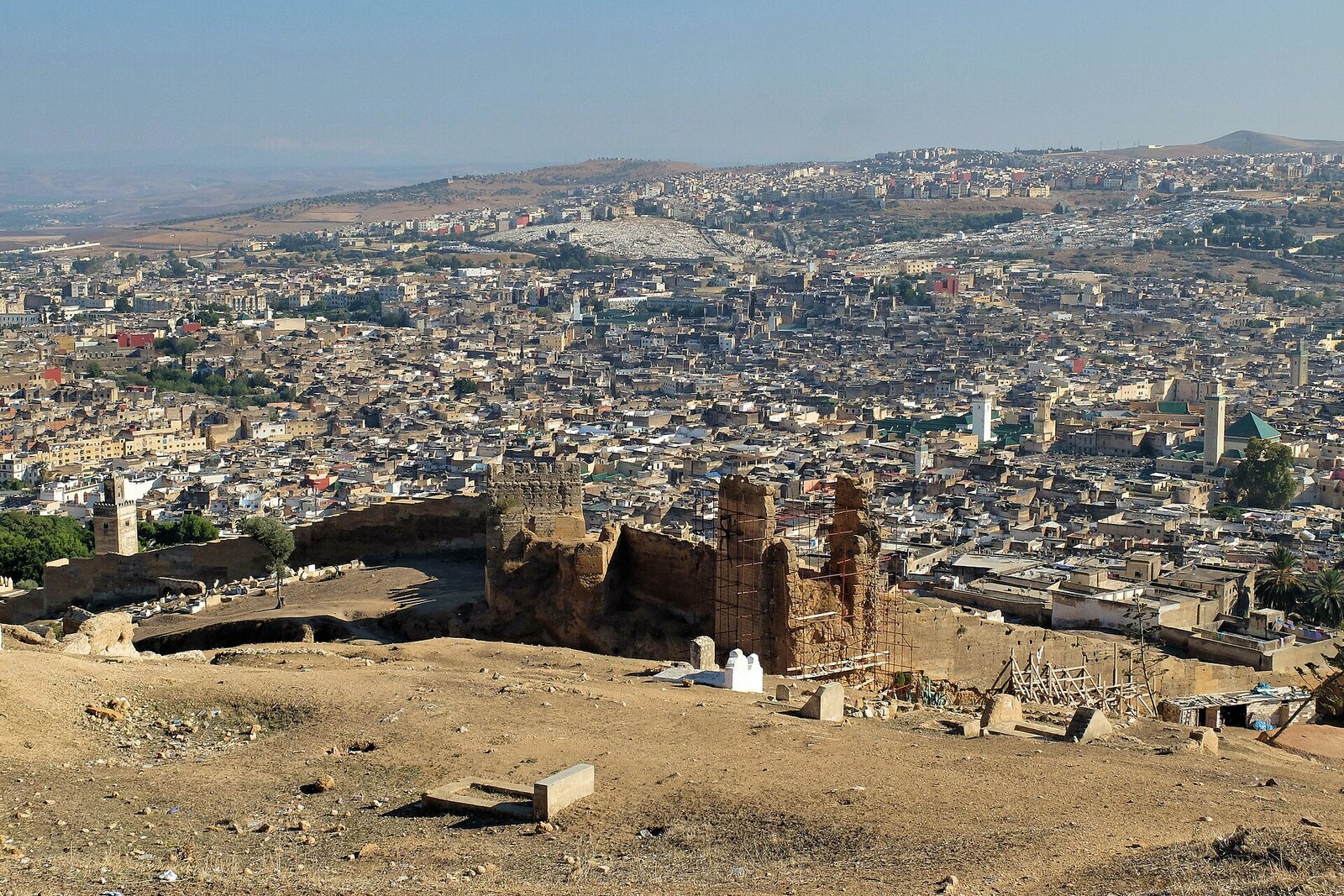
Look around first
What to notice
- Earthwork belt of fortifications
- Northern wall line
The story of the place
The northern edge of the medina is held by a broad earthwork belt with a wall line: it runs from Bab Mahrouk to Bab Guissa and preserves the old alignment better than the city's other fortifications. It was laid out under the Almohads in the early thirteenth century, when the walls separated the wealthy urban center from the northern approaches. The gates and this rampart made it possible to control entry into the city, while people outside first had to deal with its enclosed line.
In twelve forty-eight, Abu Yahya, leader of the Marinids—a new dynasty pushing back the Almohads—captured Fez. He needed to hold the wealthy city while continuing his campaigns. His governor as-Saud remained in the medina, charged with preventing the former ruler's return.
Abu Yahya also kept in service another man from the old garrison: Shadid al-Rumi, commander of two hundred Christian mounted mercenaries. These horsemen lived on wages and served whoever controlled Fez. The city elders decided to return Fez to the Almohad caliph and persuaded Shadid to join their side.
The conspirators came to as-Saud in the kasbah, the governor's fortified residence. He understood that his opponents stood before him, ordered them detained, and threatened reprisals. Then Shadid's men killed as-Saud and four of his companions. The governor's head was carried through the streets, his property was divided, and the city gates were locked. The elders sent an oath of allegiance to the Almohad caliph and asked him to send a new ruler.
Abu Yahya turned his army back. Before him stood a city he had conquered only two years earlier, but now the way was blocked by closed gates and this belt of earthwork fortifications. The siege lasted nine months. Marinid detachments attacked the walls in turn, but could not enter Fez.
The townspeople never received help from the Almohads. Then the elders themselves asked Abu Yahya for forgiveness. He agreed to enter without an assault, but demanded reimbursement for the costs of the siege. A medieval chronicle gives the sum as one hundred thousand dinars. Fez escaped being sacked; the conspirators saved the city, but returned it to the very ruler against whom they had closed the gates.
The northern section preserves the Almohad line of fortifications from the early thirteenth century better than any other. It runs from Bab Mahrouk to Bab Guissa: it was in this wall that the people of Fez closed the passages against Abu Yahya.
Useful on site
Free access; the path is open around the clock.
Checked: June 22, 2026. Check the official source before visiting.View the fortifications from the outside: from here, the materials, height, and rhythm of the towers are easier to make out.