 Guide On Map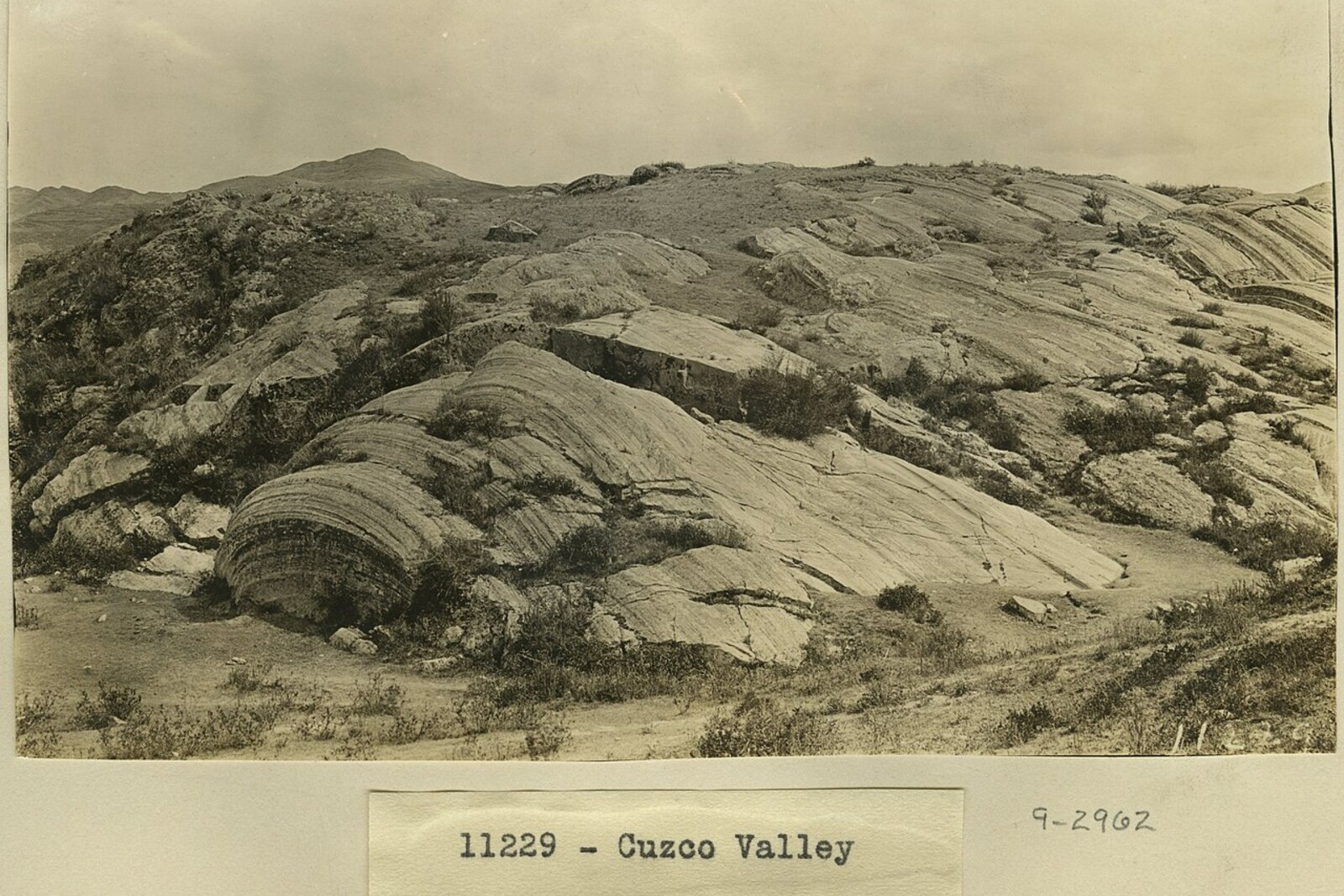
Look around first
What to notice
- Smooth stone grooves
- Carved steps
- Stone basin
- Remains of terraces
The story of the place
In Quechua, Suchuna means “a slope one slides down.” The name describes this rock literally. Its smooth grooves appeared long before the Incas: as blocks of microdiorite moved along a fault, stone rubbed against stone until the surface became rippled and polished. Inca craftsmen made use of the existing terrain. They cut steps, platforms, and recesses into the top, built terraces along the slope, and brought water to a rock-cut basin. The exact purpose of the whole complex is unknown, but it was a developed ceremonial site, not an ancient attraction.
The hidden passages are in another rock: fractured limestone near Rodadero, the Spanish name for Suchuna. Natural cracks here were enlarged, turning them into low corridors with turns, small chambers, niches, and carved seats. Such passages are called chincanas—labyrinths where a person loses their sense of direction.
Garcilaso de la Vega recalled coming to the underground chambers of Sacsayhuamán with children his own age when he was a boy. They dared go only as far as daylight reached. Adults told them about people who had become lost inside. Those who went deeper into the labyrinth were advised to tie a thick thread at the entrance and unwind the ball as they went: identical doorways and repeating turns quickly made a person forget the route they had taken.
In the eighteen sixties, the American explorer Ephraim George Squier examined a low limestone cliff beside Suchuna. The farther branches were already inaccessible. Squier recorded the reason as told by Cusco residents: three boys entered a chincana, got lost, and died there of hunger. After repeated accidents, General Miguel de San Román, then responsible for order in the city, ordered part of the passages to be bricked up so that people would no longer go inside. The corridors were closed, and Squier could no longer explore them to the end.
Stories of an underground road from here to Qorikancha remain a hypothesis: a continuous passable tunnel through all of Cusco has not yet been demonstrated. The short Chincana Chica, preserved north of Suchuna, runs for about twenty meters and leads back outside. The farther branches where the three boys died remain hidden behind a closed entrance.
Useful on site
DDC Cusco lists the hours for Sacsayhuamán Park as 07:00-17:30; before leaving, check the current schedule and the COSITUC ticket.
Opening hours by day
Do not slide down the rock if it is prohibited or the surface is unsafe, and do not try to find bricked-up or investigated entrances. The underground connection to Qorikancha has not been proven.