 Guide On Map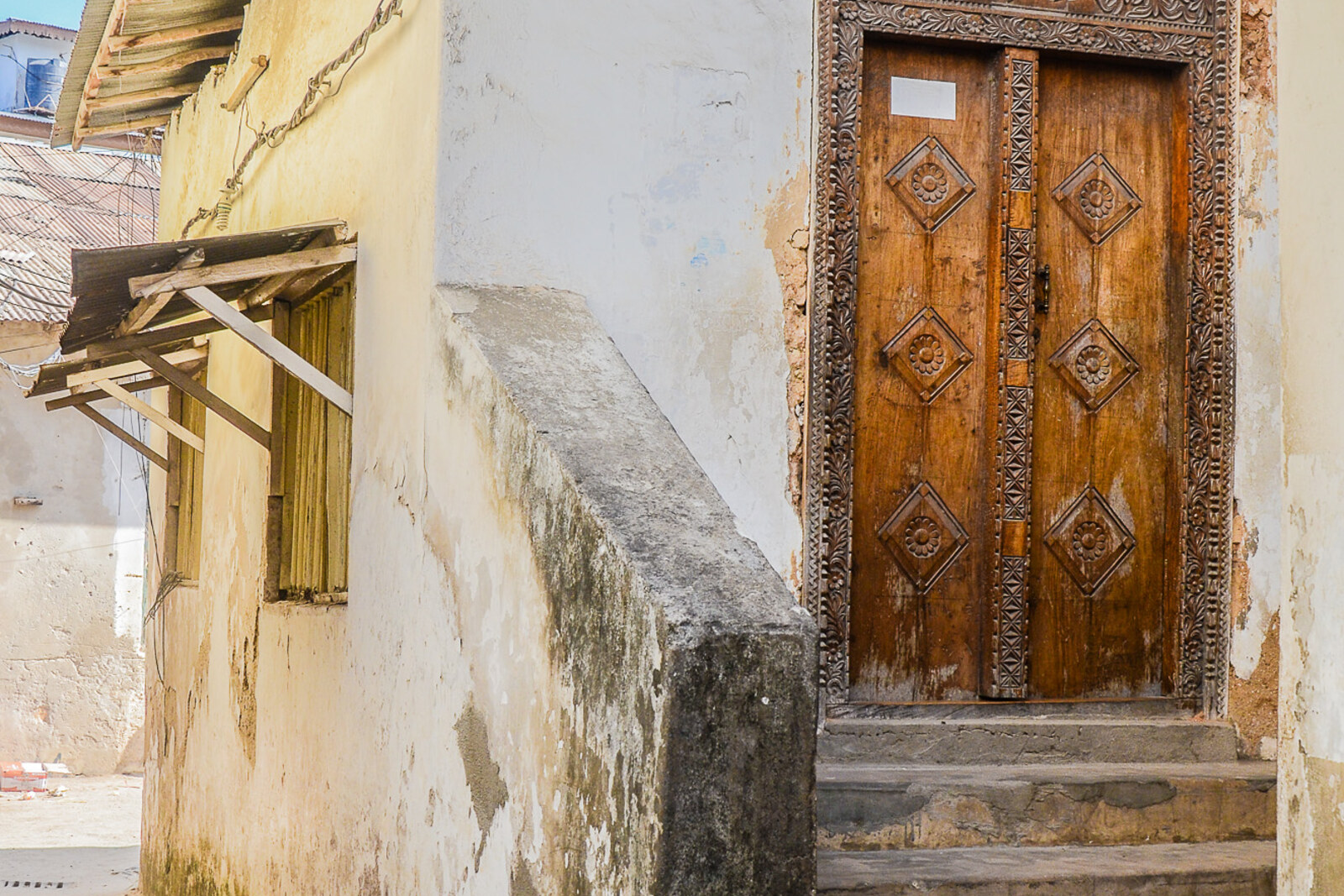
Look around first
What to notice
- Conical minaret
- Square minaret platform
- North wall
- Entrance door
The story of the place
The name “Malindi Mosque” refers to the neighborhood. The old local name is Ba Mnara, or Mnara: in Swahili, “mnara” means a tower or minaret. It is the minaret here that is older than the mosque now in use.
At the beginning of the nineteenth century, Zanzibar merchants built houses of prayer for their communities. Their standing depended on maritime trade and on the trust of people on different shores. Muhammad bin Abdulqadir al-Mansabi came from the Benadir Coast, from the territory of what is now southern Somalia, and between the eighteen twenties and forties became one of Zanzibar’s most prominent Arab merchants.
A Sunni mosque already stood on this site. Its north wall and conical minaret are dated to at least the seventeenth century. In eighteen thirty-four and eighteen thirty-five, al-Mansabi paid for a new main prayer hall south of the open courtyard. He did not destroy the former place of prayer: his hall was connected to the old section.
The merchant achieved what he had invested his trading fortune for: the community received a permanent space, and the mosque continued to be expanded after him. After his death, al-Mansabi himself was buried in front of the mihrab—the niche that indicates the direction of Mecca to those praying.
Today, local residents still come here for daily prayer. The mihrab stands before them, the merchant’s grave stands before the mihrab, and above the north wall rises the minaret that existed even before the hall he built.
Useful on site
An active mosque; the route is intended for viewing from outside. Do not plan to enter for tourist viewing.
Checked: June 28, 2026. Check the official source before visiting.View the mosque from outside, speak quietly, and do not disturb those entering; visiting inside requires separate permission.