 Guide On Map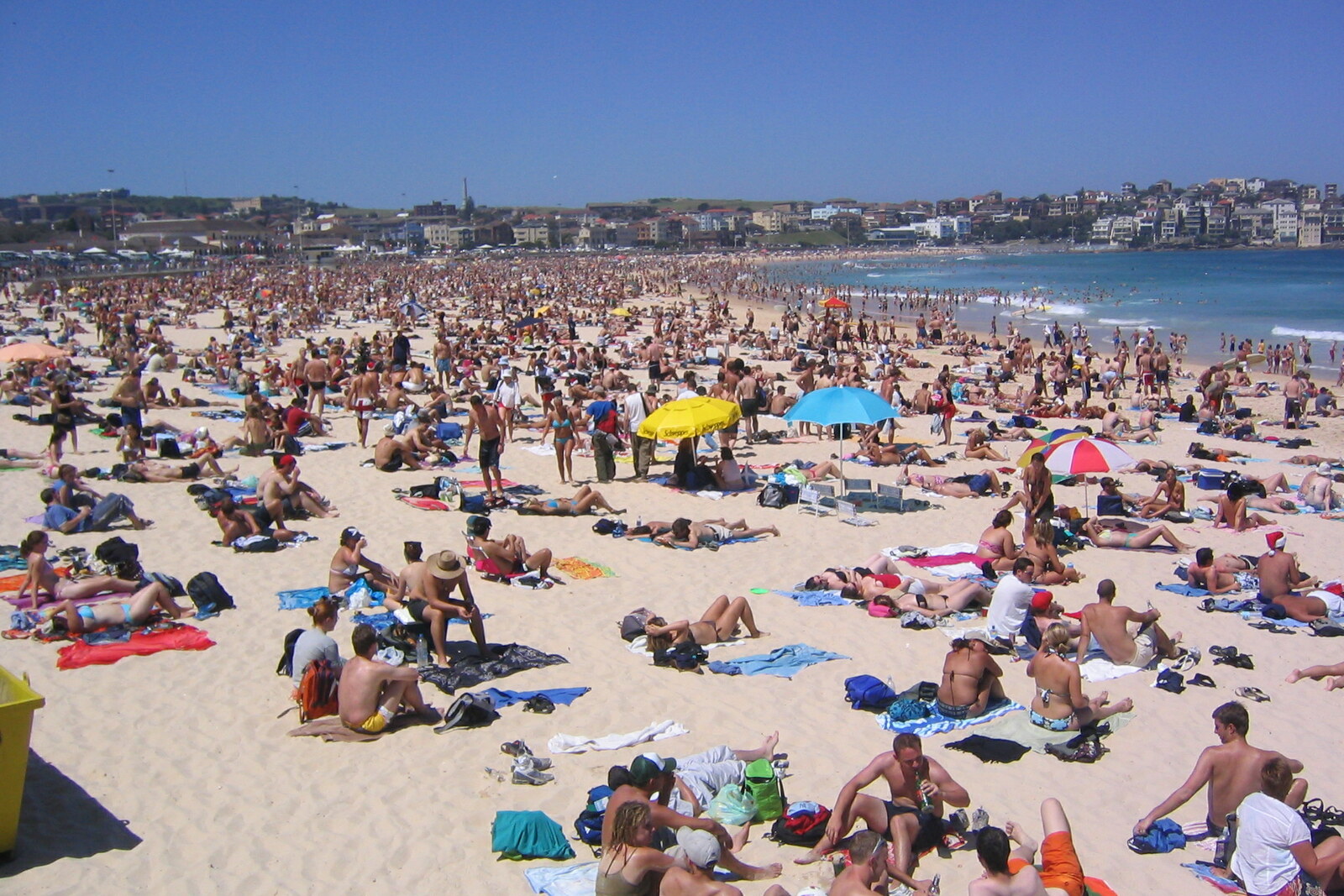
Look around first
What to notice
- Bondi Pavilion
- The life-saving club building at the southern end
- The surf line opposite Bondi Pavilion
The story of the place
Bondi has long served as an urban beach on the open ocean, where thousands of people gathered on hot days. Opposite Bondi Pavilion, lifesavers marked with flags the stretch of water where bathers relied on a shore patrol. At the southern end of the sandy strip stands the volunteer club’s clubhouse: this was where people accustomed to working in the surf went out on duty.
On February sixth, nineteen thirty-eight, the sea off Bondi was dangerous from the morning onward. Lifesavers had already pulled seventy-four people from the water. Even so, the beach remained open: on a hot Sunday, about thirty-five thousand city residents came here.
By then, Bondi had been laid out as a mass urban beach on the open ocean. Opposite Bondi Pavilion, lifesavers set out two flags about seventy meters apart. Between them, bathers considered themselves protected by the shore patrol. At low tide, a long sandbar appeared beyond the nearshore channel. It could be reached in waist-deep water, and hundreds of people gathered on this deceptive shoal.
Carl Jeppesen, captain of the volunteer life-saving club, noticed a current quickly pulling one bather away from shore and ordered additional life-saving reels brought out. Two patrol groups happened to be changing shifts nearby, while other club members were preparing for their weekly surf race. So at about three o’clock in the afternoon, around sixty trained lifesavers happened to be on the sand. They had come to compete; the race never started.
Three large waves came one after another. The water rose over the sandbar, people lost their footing, and the backwash gathered in a deep channel and carried them away from shore. Newspapers later wrote that the sandbar had suddenly collapsed. Researchers of coastal landforms consider that explanation inaccurate: a sandbar cannot give way entirely in a few seconds. It is no longer possible to reconstruct exactly how the sand lay that day. Most likely, the series of waves was followed by a short, powerful pull away from shore—a rip current that even strong swimmers could not swim against.
Several hundred people found themselves in deep water at once. Lifesavers put on belts tied to ropes on seven reels. One such reel required a team of four people, and a belt was intended for one casualty, at best two. Now people were clinging to the ropes by the dozens. About twenty people hung from one line; they pulled the swimmer in the belt underwater, and then the rope snapped.
Stan McDonald, a former beach inspector, made his living here by renting out inflatable mats for wave-riding. He was the first to understand that the reels would not cope with the number of people. McDonald told the boys collecting the rental equipment to give the lifesavers everything they could find. His son brought about thirty mats on a stretcher. Club members swam with them into the channel and left them among the bathers: five or six people could hold on to one such float while a line became free.
About two hundred fifty bathers needed help. Thirty-five people were carried out unconscious and brought back to life. Five could not be saved. The others were carried into the club building, where doctors, police officers, and lifesavers set up dressing stations right among the rooms.
After the disaster, Jeppesen called the day Black Sunday. He refused to nominate individual lifesavers for awards: it was impossible to separate the swimmers in the water from the people at the reels and those who spent hours reviving people brought onto the sand. The club’s entire team received a special award.
At Bondi’s southern end still stands its clubhouse, opened four years before Black Sunday. That is where people who had just been pulled from the deep channel opposite Bondi Pavilion were carried.
Useful on site
Listen from a safe place on the sand or the promenade. Before entering the water, check the flags and the lifesavers’ instructions: a rip current flowing away from shore can look like a calm strip.