 Guide On Map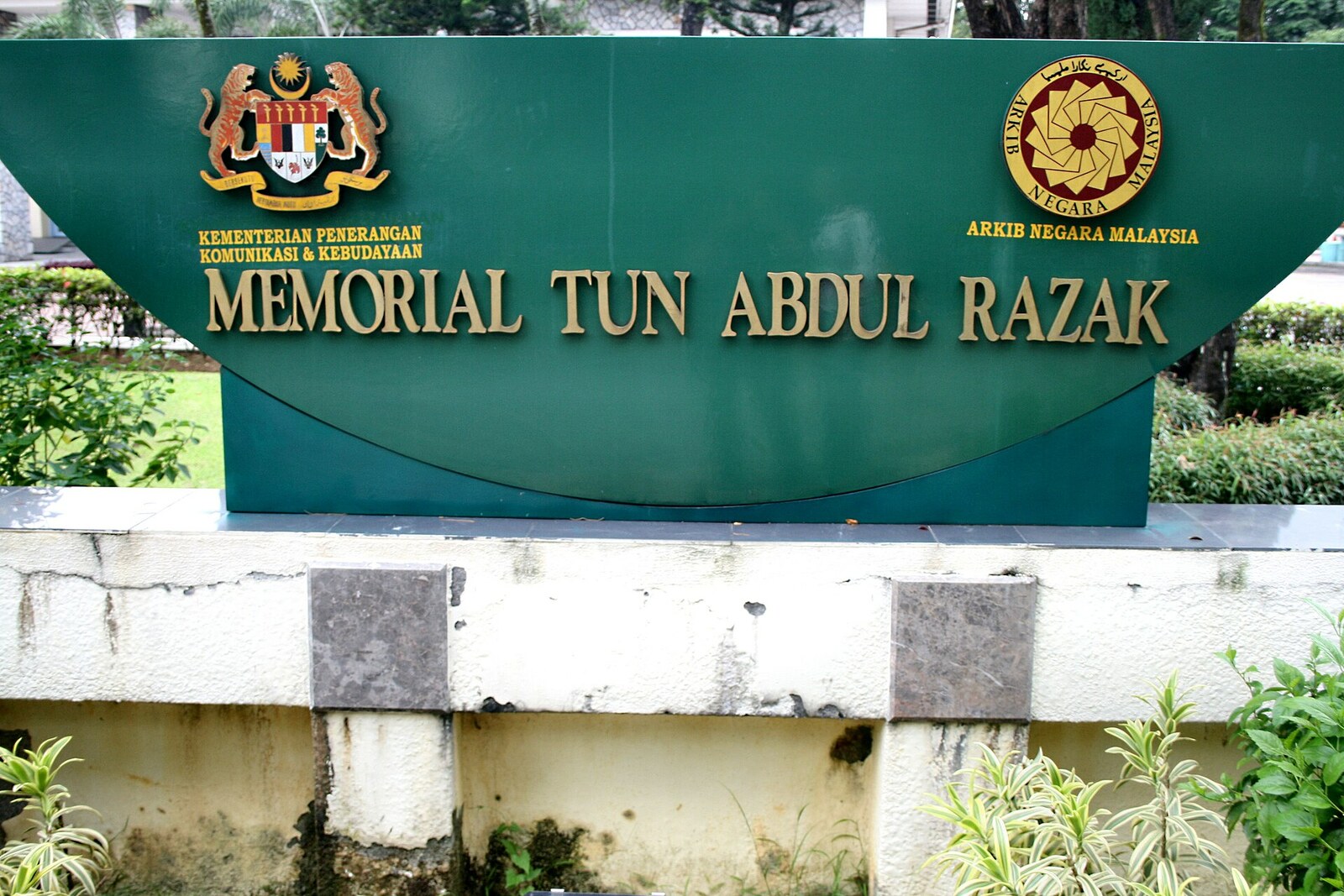
Look around first
What to notice
- The Prime Minister's study
- Family bedrooms
- Family furniture
- Personal belongings of Abdul Razak Hussein
The story of the place
Sri Taman combined a government house with ordinary family life. Official guests were received and large dinners were held on the lower floor, while upstairs remained the bedrooms of five sons. The host's study stands beside the domestic rooms, and archivists returned their former furnishings and family belongings to them. In this way, the ceremonial residence preserved the layout of a house where state work was not separated from family life by a wall.
On the evening of January fourteenth, nineteen seventy-six, nine-year-old Mohamed Nazir stood in his older brother Najib's bedroom in this house. Najib took a second phone call from London. After the first, the younger boys had been told that their father wanted to see his sons and that they needed to pack for the journey. Now Nazir saw his brother's face and understood: they would no longer be flying to a living father.
Their father was Abdul Razak Hussein, Malaysia's second prime minister. Tun is a Malaysian honorific title, not part of his name. From nineteen sixty-two onward, Abdul Razak Hussein lived here with his wife, Rahah, and their five sons, in the official residence of Sri Taman. State dinners were held downstairs, guests were received, and the country's affairs were discussed; the upper floor remained for the family.
In nineteen sixty-nine, doctors diagnosed Abdul Razak Hussein with leukemia and warned that he had about two years left to live. He lived for more than five. All that time, Abdul Razak Hussein continued working—first as deputy head of government, then as prime minister—and concealed the diagnosis even from his wife and sons. When spots appeared on his hands, he explained them as a tan from playing golf. His clothes hung ever more loosely on him, but the family did not know why.
At the end of nineteen seventy-five, Abdul Razak Hussein announced that he was going to Paris for a vacation. A few days later, doctors sent him to London for treatment. He intended to return only when he looked healthy again. Before leaving, Abdul Razak Hussein said goodbye to Nazir here; the boy did not understand that he was seeing his father for the last time.
While his mother and older brothers kept vigil beside the sick man in London, Nazir remained in the huge residence, still not knowing what was happening. On the morning of January fourteenth, his brother called from the clinic and told him to bring the younger boys to London urgently. When he returned to the ward after the conversation, he found that his father had died. The second call brought this news to Sri Taman. That same evening, relatives and friends began arriving here.
The next day, Abdul Razak Hussein's body was brought from London. The coffin was left overnight in his residence, then taken to Parliament. After the farewell, Abdul Razak Hussein was buried in the Heroes' Mausoleum by Masjid Negara (National Mosque). The house where his sons learned of their father's death received its master once more before the burial.
On May sixth, nineteen eighty-two, Prime Minister Mahathir Mohamad opened here a memorial to the second head of government and the leader of development programs for Malay villages—for this work, Abdul Razak Hussein was called the Father of Development. Later, staff of the National Archives of Malaysia arranged the furniture and personal belongings as they had been during the family's time here. Behind the museum rooms, Sri Taman survives: the study of a statesman, his sons' bedrooms, and the house in which Abdul Razak Hussein's coffin spent its final night before the national farewell.
Useful on site
Open urban space; choose a viewing point that does not obstruct pedestrian flow.
Checked: date not specified. Check the official source before visiting.The quiet domestic scale matters more than a quick look through the display cases. Indoor access depends on the memorial's schedule, so check current information before your walk.