 Guide On Map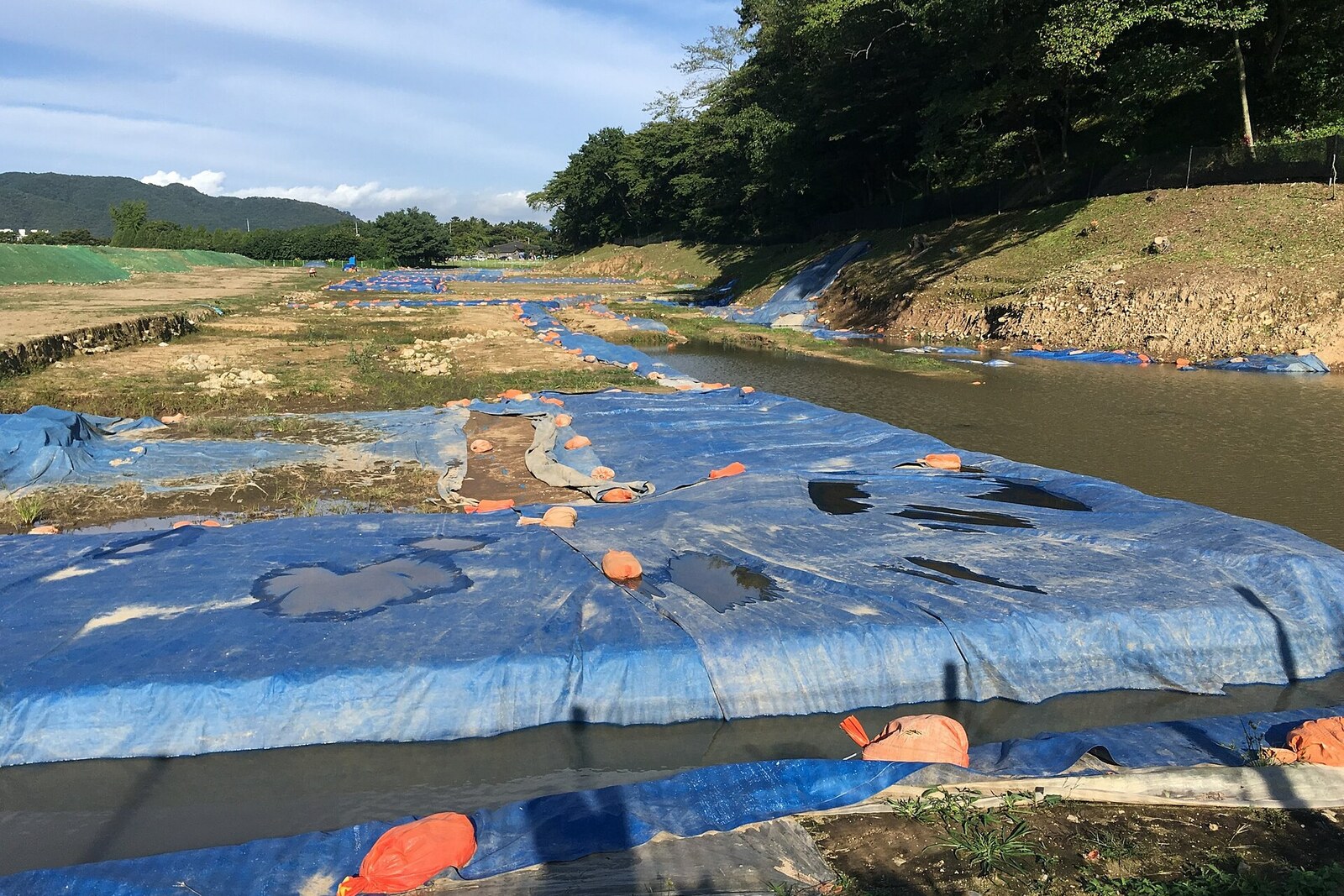
Look around first
What to notice
- Curved earthen embankment
- Open grounds of the former palace
- Mountains to the east
The story of the place
Here survives the curved earthen embankment of Wolseong—the Moon Fortress. In the first lunar month of six forty-seven, Bidam rose against Queen Seondeok. He was the senior official whom she herself had appointed head of the council of nobles two years earlier. Queen Seondeok was the first woman on the throne of Silla. Bidam declared that a woman was incapable of ruling the country, gathered supporters, and tried to overthrow her.
The rebels fortified themselves in Myeonghwal Fortress, east of the capital. The queen and her army remained here, at Wolseong. For ten days, one camp attacked while the other defended itself. The Silla palace was laid out as a fortress: to the south, it was protected by a cliff above the river; on the other sides, by earth and stone fortifications and a moat. The embankment's curved line resembled a young moon, which is why the place was called Wolseong—the Moon Fortress.
A biography of the commander Kim Yu-sin preserves an account of one night during this siege. A large star supposedly fell above Wolseong. Bidam told his warriors that a star falling on the royal palace foretold Queen Seondeok's defeat. The omen frightened the defenders as well.
Kim Yu-sin, who needed to keep the royal army from falling apart, replied to Queen Seondeok that people give phenomena either fortunate or unfortunate meanings. He then ordered an effigy made, fire tied to it, and the effigy sent up on a kite. The next day, the queen's people spread the word that the fallen star had returned to the sky. After that, Kim Yu-sin led the army into attack, and Bidam's detachments fled.
The story of the star and the kite may be a later legend: the brief record of the rebellion contains none of these details, and researchers allow that they were added later. The battle itself between Myeonghwal Fortress and Wolseong, Queen Seondeok's death during the rebellion, and Bidam's execution are recorded separately.
Queen Seondeok died on the eighth day; the cause of her death is not named. Bidam did not gain the throne anyway. Queen Seondeok's cousin, Queen Jindeok, became queen. On the seventeenth day, Bidam was executed; thirty people implicated in the rebellion died with him. The uprising, begun with words about a woman's inability to rule, ended with the accession of a second woman in a row.
At that time, wooden palace buildings stood behind this embankment, and the royal army's camp was here. The buildings are gone, and it is impossible to identify where the star fell. What remains is Wolseong's curved earthen boundary and the mountains to the east, where Bidam's fortress stood: the two sides of the ten-day siege still occupy their places in Gyeongju's landscape.
Useful on site
The outdoor area is accessible year-round; free guided tours are listed from 10:00–17:00, except on certain holidays. Excavation areas and paths may change.
Checked: date not specified. Check the official source before visiting.Work areas may change; view the site from permitted platforms and do not go beyond the barriers for a better view.