 Guide On Map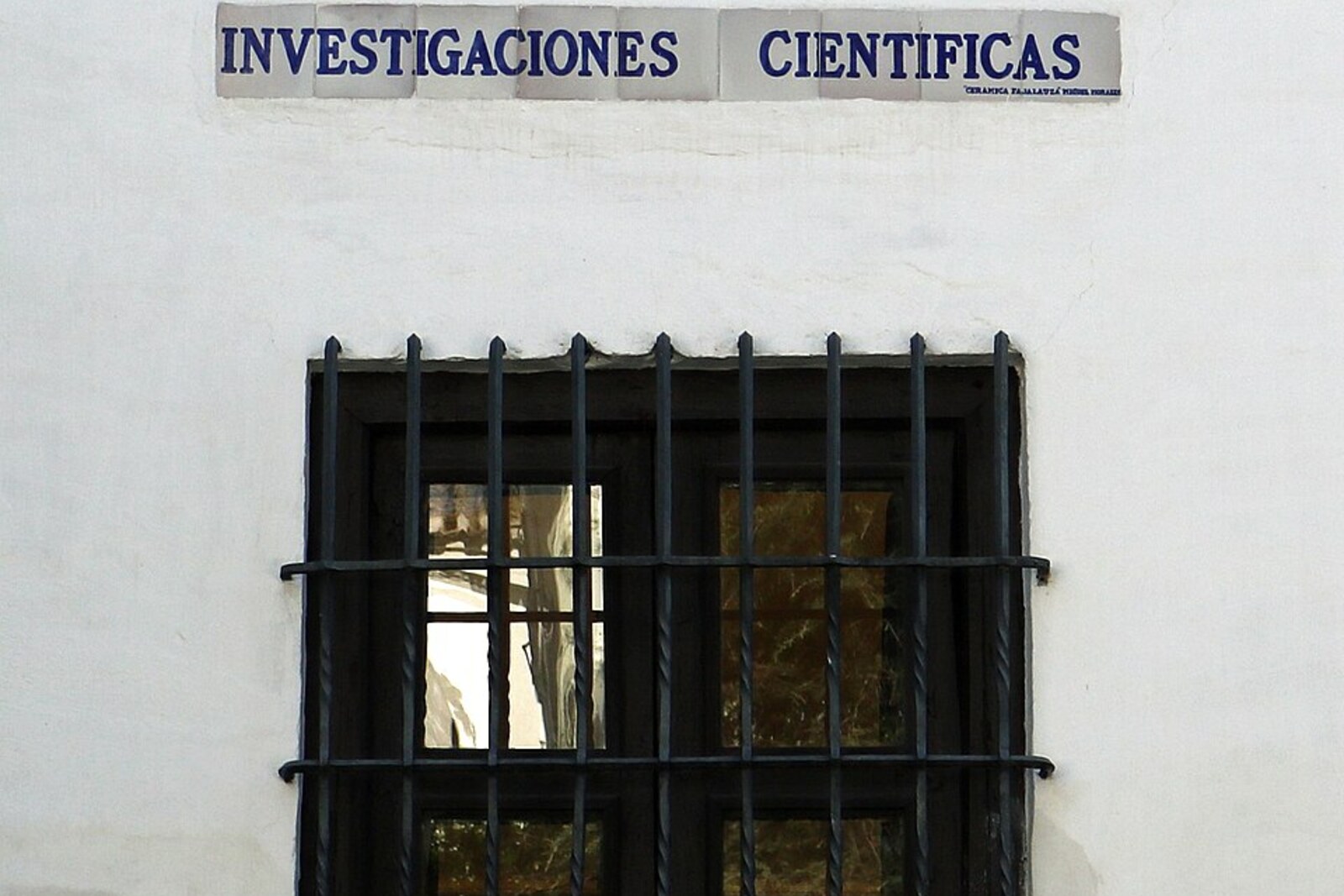
Look around first
What to notice
- Two courtyards
- Long alberca
- White marble columns
- Wooden galleries
The story of the place
An elongated pool occupies the southern courtyard, white marble columns stand along the water, and wooden galleries run along the upper level. What survives here is an urban estate assembled from parts of different periods. In the sixteenth century, living rooms were created above an earlier Nasrid house; the northern part was then owned by the family of a silk merchant. Later, the premises were divided and rented to tenants and institutions.
The name is singular, although two related estates are joined behind the gate. Since nineteen thirty-two, the School of Arabic Studies has been housed here: scholars analyze texts about al-Andalus, study medieval archaeology and Islamic architecture. Office rooms occupy a house named after the man who was deprived of the right to this house.
In the sixteenth century, the northern part belonged to the family of the wealthy silk merchant Hernán López el Feri. After his death in fifteen fifty-seven, his sons remained there, while the southern part went to his son-in-law Lorenzo Hernández el Chapiz. He added an upper story to an earlier Nasrid estate. Wooden galleries gave access to the rooms; the long pool and the white marble columns below were older than the new owner.
Lorenzo made his living from the silk and sugar trade. He had a shop in Granada's Alcaicería, cane lands, and a sugar enterprise near Almuñécar. Among the local Moriscos, he was one of those entrusted with negotiations with the Crown and the Inquisition. Lorenzo sought an agreement: the community offered to pay ninety thousand ducats over six years if the persecutions were suspended. Historians have found no evidence of a final agreement.
After the Morisco revolt, the Crown began taking their property. At the beginning of fifteen seventy-one, a royal charter already listed these houses as confiscated property. Yet in June, Lorenzo still lived here and was litigating over his rights—he continued to manage an estate that had officially not belonged to him for several months.
In a document from the following year, fifteen seventy-two, he is described as a prisoner of the Royal Chancery of Granada, detained on a charge of involvement in the revolt. Documents do not yet reveal what happened next to Lorenzo himself and his immediate family. The outcome for his estate is known: the house, gardens, trading holdings, and sugar lands were lost.
In fifteen eighty-three, Philip II transferred the estate to his secretary Juan Vázquez de Salazar. He placed it in a family endowment and rented the premises to tenants and institutions. Over the following centuries, the houses were subdivided and adapted to new uses, until the state bought them and restored them for the research school.
Lorenzo's nickname remained in two names at once: Casa del Chapiz and Cuesta del Chapiz. The southern courtyard with the long pool was his former half; the neighboring northern courtyard belonged to the Feri family. The two properties survived together under the name of the owner who was the last to try to litigate for them.
Useful on site
Check the opening arrangements for Casa del Chapiz and the Dobla de Oro ticket before entering; part of the complex is connected with scholarly work.
Checked: June 29, 2026. Check the official source before visiting.The complex remains both a monument and a working research space, so check visiting availability separately. If entry is closed, respect the working arrangements and finish the account at the outer facade.