 Guide On Map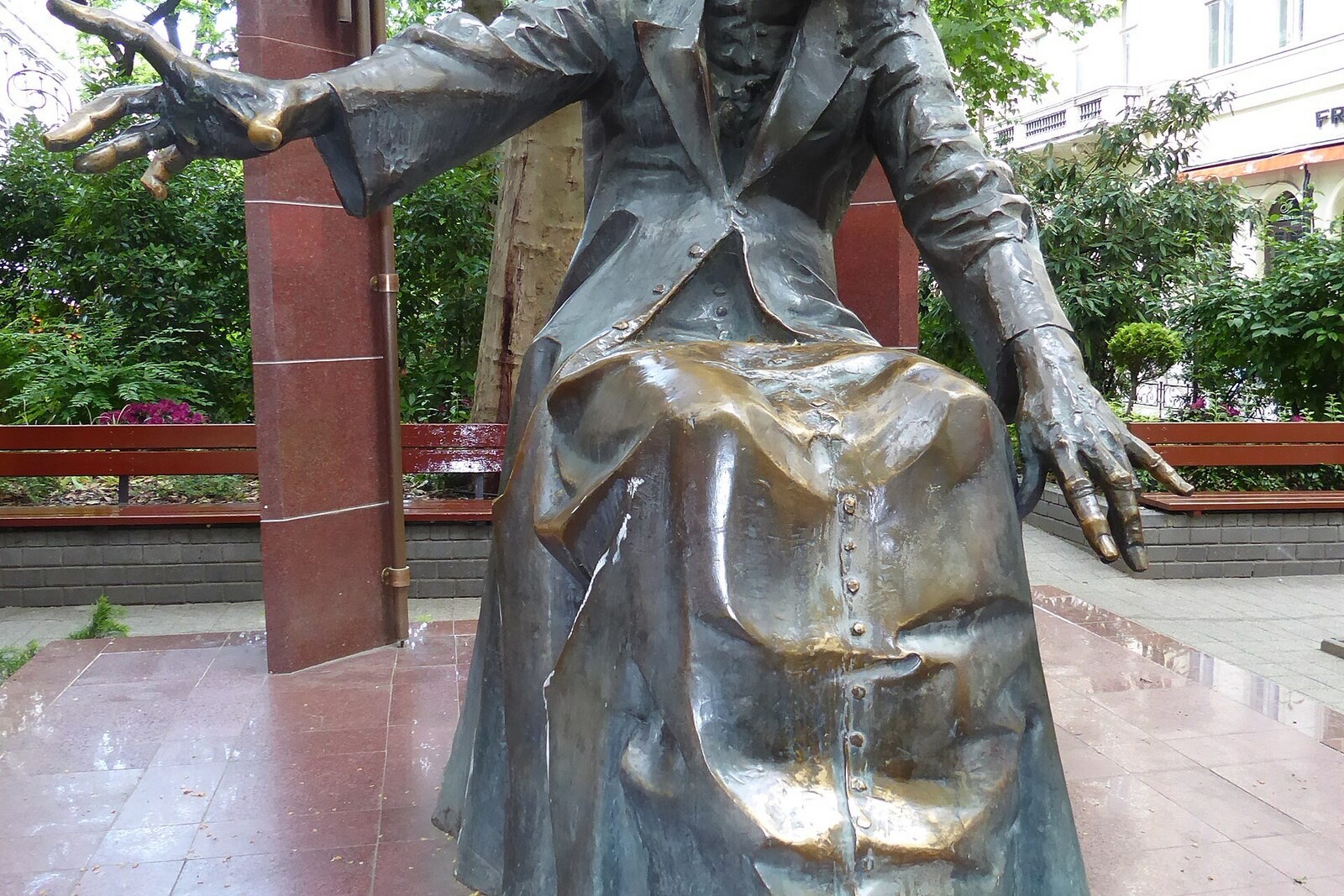
Look around first
What to notice
- The Liszt Academy building
- The monument to Ferenc Liszt
- Trees in the center of the square
- Restaurant terraces
The story of the place
Ferenc Liszt lived to see neither the square named after him nor the musical palace at its far end. The Hungarian pianist and composer helped establish the Royal Hungarian Liszt Academy and became its first president. When the academy opened its present building on May twelfth, nineteen oh seven, Liszt had already been dead for almost twenty-one years. On the same day, the broad stretch of Factory Street in front of the new palace was named “Liszt Ferenc Square.” That explains its present layout: musicians study and perform at one end, trees and a monument to the academy’s founder occupy the middle, and restaurant terraces stand along the sides.
Late in the evening of January tenth, nineteen forty-five, seventeen-year-old Károly Ligeti, his parents, and several other people were brought here. Károly’s father, Ernő Ligeti, lived and breathed journalism: he edited newspapers, published his own weekly, and wrote books. After anti-Jewish laws were passed, his publication was stripped of its license, and the family moved from Transylvania to Budapest. Here Ernő found work on an editorial staff again, but he was soon interned. Acquaintances and Swiss protective documents helped secure his release.
The family settled in a house under Swiss protection. This meant that its residents had papers from a neutral state; there were no armed guards at the door. In January, Hungarian fascists from the Arrow Cross Party came to the house. They were looking for weapons, money, and Jews whom they could still rob and take away. The Ligetis were taken to the headquarters on Andrássy Avenue, at number sixty, robbed of their valuables, beaten, and then driven to the nearest open space—Liszt Ferenc Square.
Here Ernő, his wife Margit, and their son were shot. Four bullets struck Károly, yet he survived. A Hungarian military patrol picked him up and took him to a Jewish hospital. After recovering, Károly went first to Germany, then to the United States, became a jeweler, opened two companies in California, and helped Yad Vashem. His parents remained among those killed in the square.
The shooting of the Ligeti family was one of several. During the first weeks of January, residents of nearby houses marked with yellow stars and holders of foreign protective papers were brought here. The bodies were buried here as well; people killed in shelling were placed in the pits together with those who had been murdered. For this reason, the exact number of victims cannot be established.
In the spring of nineteen forty-six, more than two hundred bodies were removed from five pits. About forty could be identified by clothing, documents, and items from their pockets. The bodies of Ernő and Margit Ligeti were not among those identified. After the exhumation, the pits were filled in, the areas in front of the cafés were paved over, and roses were planted nearby. Some of today’s restaurant terraces occupy the same part of the square; exactly where the parents of the surviving Károly are buried is unknown.
Useful on site
The square is open; the Liszt Academy building is accessible according to its concert or tour schedule, not as a freely accessible interior.
Checked: June 28, 2026. Check the official source before visiting.Choose a spot away from the terraces and the walkway: the old cafés are gone, so the story requires a little imagination.